Parents seeking vegan or dairy-free options for babies and toddlers can find several reputable formulas that align with plant-based or dairy-free diets. This guide highlights five suitable picks, focusing on soy-free and dairy-free formulas, plant-based protein blends, and amino-acid or oat-based alternatives. Each product is evaluated for digestion, nutritional completeness, and suitability for sensitive tummies. Use the buying guide at the end to compare features and select the best fit for your child’s needs.
Summary of chosen products:
| Product | Brand | Key Benefit |
|---|---|---|
| Enfamil Prosobee Plant Based Baby Formula | Enfamil | Soy-based, milk-free option for lactose sensitivity and dairy-free households |
| Else Nutrition Signature Toddler Formula | ELSE NUTRITION | Plant-based, dairy-free, European standards, non-dairy protein |
| Haven Oat Toddler Formula | Haven | Plant-based oat formula with probiotics, prebiotics, and omega-3 DHA |
| Good Start Dr. Brown’s Soy-ease Pro | Good Start | Milk- and lactose-free, plant-based proteins for sensitive tummies |
| EleCare Hypoallergenic Amino Acid-Based Formula | EleCare | Amino acid-based, for infants with severe protein allergies or malabsorption |
Enfamil Prosobee Plant Based Baby Formula

Enfamil Prosobee offers a soy-based alternative to dairy formulas, designed for infants with lactose intolerance or dairy sensitivity. This formula uses plant-sourced protein and provides DHA to support cognitive development, mirroring some features found in traditional routines. It’s positioned as a milk-free option suitable for families who follow vegetarian or kosher dietary practices. Prosobee aims to reduce fussiness and gas linked to milk-based formulas by using soy as the primary protein source while maintaining essential vitamins and minerals for growth.
Else Nutrition Signature Toddler Formula

Else Nutrition Signature Toddler Formula is a dairy-free, plant-based option designed for ages 12-36 months. The formula emphasizes non-dairy protein sources and avoids common allergens, with a European quality framework behind its production. It highlights a clean ingredient list and a fat blend aligned with evolving toddler needs. The product positions itself as a gentle, immunity-supporting option, using non-dairy ingredients to promote digestion and growth without dairy or lactose.
Haven Oat Toddler Formula
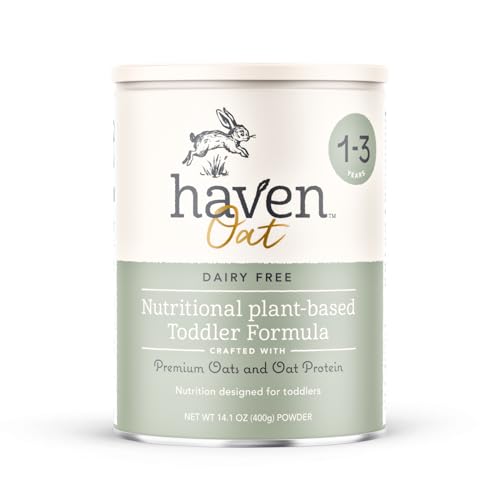
Haven Oat Toddler Formula is a plant-based option using oats as the base, with added oat protein and a focus on dairy-free nutrition. It includes prebiotics and probiotics to support digestive health and immune function in toddlers. The formula incorporates omega-3 DHA and lutein to support development and eye health. This product targets families seeking a truly plant-based, dairy-free framework with attention to gut wellness and growth in the 1–3 year age range.
Good Start Dr. Brown’s Soy-ease Pro Infant Formula

Good Start Dr. Brown’s Soy-ease Pro offers a complete, milk-free option designed for sensitive tummies. It uses plant-based proteins to form the foundation of the formula, addressing fussiness and gas associated with dairy sensitivities. This product emphasizes non-GMO sourcing and compatibility with dairy-free diets while providing essential nutrients found in standard infant formulas.
EleCare Hypoallergenic Amino Acid-Based Formula

EleCare is an amino acid-based infant formula designed for infants who cannot tolerate intact or hydrolyzed proteins due to severe allergies or malabsorption. This hypoallergenic option provides complete nutrition using free amino acids, which can be crucial for babies with complex dietary needs. While not dairy-derived, EleCare focuses on delivering growth-supporting nutrients in a format suitable for sensitive digestive systems and special medical considerations.
Buying Guide: Key Considerations For Vegan And Plant-Based Baby Formulas
Choosing a vegan or dairy-free formula requires balancing digestion, nutrition, and family dietary goals. Consider the following perspectives to guide selection:
- Protein Source: Plant-based formulas use soy, oats, almond or other plant proteins, or amino acids. For infants with soy sensitivity, amino-acid based formulas or dairy-free blends may be better.
- Dairy-Free Certification: Look for products explicitly labeled dairy-free, lactose-free, or vegan. Check ingredient lists for milk derivatives like casein, whey, or lactose.
- Digestive Tolerance: Some babies tolerate soy-based formulas well, while others benefit from oat-based or amino-acid formulations with prebiotics or probiotics to support digestion.
- Nutrient Profile: Ensure the formula provides essential fatty acids (DHA), iron, calcium, vitamins, and minerals appropriate for the baby’s age. For toddlers, look for iron and growth-support nutrients.
- Age Range: Formulas are age-specific. Toddler formula variants often target 12–36 months; infant formulas target 0–12 months. Choose according to your child’s developmental stage.
- Allergies And Medical Needs: Amino acid-based formulas are designed for complex allergies or malabsorption. For infants with cow’s milk protein allergy, consult a pediatrician before switching.
- Quality Standards: European or US standards may differ. European-quality formulations can reflect strict manufacturing standards and trusted ingredient sourcing.
- Convenience And Availability: Consider packaging size, shelf life, and accessibility in your region, as well as compatibility with your stroller-friendly feeding routine.
- Consultation With Pediatrician: Always discuss any major dietary changes, especially for infants, to ensure growth and development are supported.
Plant-based formulas can provide healthy alternatives, but every baby’s needs are unique. This guide presents options across a spectrum—from soy-based to oat-based to amino-acid-based—so caregivers can align product choices with dietary goals and medical considerations while supporting growth and digestion.