Choosing a slow-flow sippy cup helps support a smoother transition from bottle to cup, reducing spills and encouraging independent drinking. This guide highlights five reliable options that emphasize gradual flow control, safe materials, and easy handling for little hands. Each pick includes practical design features to support babies from about six months and up. Read on to compare options and find the best fit for your little one’s transition journey.
Summary of chosen products:
| Product | Brand | Key Feature |
|---|---|---|
| Natural Trainer Cup | AVENT | Natural Response nipple with soft spout; easy transition |
| Chicco Transition Sippy Cup (Blue) | Chicco | Spill-free with satin-textured silicone spout |
| NUK Learner Cup | NUK | Easy grip, spill-proof, gentle spout for gums |
| Moonkie Straw Cup | Moonkie | Built-in straw with stoppers; see-through design |
| Reflo Smart Cup Bundle | Reflo | 360 slow-flow, unbreakable materials |
AVENT Natural Trainer Cup With Extra Fast Flow

The Philips Avent Natural Trainer Cup is designed to ease the move from bottle to cup. It combines the familiar Natural Response baby bottle nipple with an optional soft silicone spout for transition readiness. For babies around six months and older, the cup supports independent drinking with ergonomically shaped trainer handles that are rubberized for a non-slip grip, helping little hands learn to grasp and control flow. The kit’s structure encourages a gradual shift from nipple to sippy cup while maintaining familiar textures and sensations that babies recognize.
Key features include: an extra fast flow nipple that can be switched out to the soft spout when the baby is ready, and trainer handles that promote independent sipping. The design emphasizes a gentle introduction to cup drinking with a familiar feeding experience, aiming to reduce resistance during the early transition period. The 5 oz capacity provides an appropriate starting size for toddlers learning to drink from a cup.
Considerations: While the training cup supports a transition, the “extra fast” nipple option may not suit all babies seeking slower flow at first. Parents should monitor flow preference and switch to the soft spout as needed. Cleaning is straightforward, and the components are BPA-free, aligning with common baby-safety standards.
Chicco Transition Sippy Cup With Silicone Spout (Blue)

The Chicco Transition Sippy Cup is built to ease the nipple-to-spout transition with a satin-textured, non-slip silicone spout. This cup offers a spill-free sipping experience by activating flow only as the baby sips, reducing messy spills. It features interchangeable lids and bases, making it adaptable as a child’s needs evolve. The design prioritizes safety with BPA, latex, and PVC-free construction, providing reassurance for parents concerned about materials contacting little mouths.
Key benefits include a 7 oz capacity suitable for early sippy use, easy handling with ergonomic indents, and an emphasis on a familiar feel that supports comfort during the transition. The dark blue option showcases the practical, gender-neutral design that fits many households. This cup is designed to grow with your child through gentle, measured flow control.
Potential considerations: If a slower initial flow is preferred, parents may opt for the pink version or explore other brands with more gradual flow options. Dishwasher safety is convenient for busy families, though top-rack guidelines should be followed to preserve the silicone spout’s integrity.
Chicco Transition Sippy Cup (Pink) With Spill-Free Lid

Another Chicco option mirrors the blue model’s spill-free engineering with a soft silicone spout and easy-grip design. The pink variant maintains the same features—interchangeable lids and bases, BPA-free materials, and a no-spill mechanism activated during sipping. This variant offers a calmer visual for households that prefer more color variety while maintaining the same transition-oriented design.
Highlights include the same ease-of-use for caregivers and a durable build suitable for daily use. The coffee-soft silicone spout and textured surface assist a secure hold, reducing accidental tipping during early sipping practice. For families seeking a straightforward transition cup, this Pink Chicco option provides consistency with the blue sibling model.
Things to consider: The 7 oz capacity remains a practical starting point. As with other transition cups, some babies may require a slower flow at first, so matching to the child’s pace is key to success.
NUK Learner Cup, 6+ Months (2-Pack)
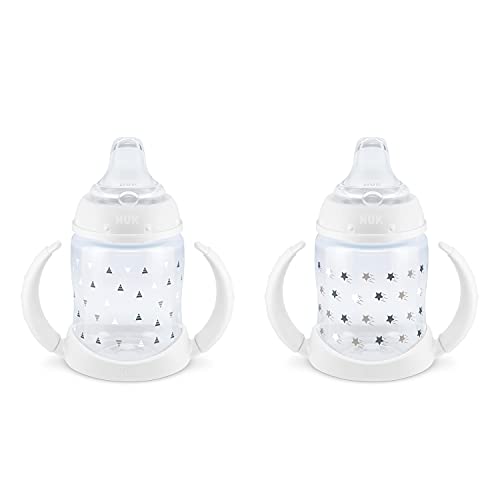
The NUK Learner Cup supports the bottle-to-cup transition with an easy-grip, anti-slip handle design that is removable as baby grows. The cup is spill-proof, featuring a soft spout that’s gentle on gums while teaching the baby to drink from a spout. The 5 oz capacity provides a compact, comfortable size for early sippy practice, particularly when using two cups in a pack for rotation or multiple caregivers.
Key attributes include a gentle learning curve with a reliable flow that doesn’t overwhelm the infant. The combination of spill resistance and ergonomic handles encourages toddlers to self-feed with confidence. A two-pack offers a practical value for households that want a spare cup or multiple training cups for different locations (home, daycare, travel).
Considerations: Parents should verify that the removable handles suit the child’s hand size and ensure the spout is replaced if the baby’s gum sensitivity changes. Cleaning remains straightforward, with components designed for regular dishwasher cycles when allowed by the manufacturer.
Moonkie Baby Straw Cup With Straw Lid

Moonkie’s straw cup focuses on a smooth transition by introducing a straw cup design with a lid, promoting independent drinking for babies aged six months and up. The 5 oz capacity and BPA-free materials emphasize safety and portion control. A built-in straw stopper prevents accidental removal, and the straw cover helps maintain hygiene when not in use. The see-through, clear cup lets caregivers monitor liquid levels easily, supporting a transparent approach to practicing sips and keeping mealtime organized.
Strengths include the sturdy build that helps minimize tipping and a flexible approach to using the lid or removing it as the child grows more confident with sips. The straw design broadens drinking options beyond the traditional spout, which can be beneficial for families introducing varied liquids or pacing the transition.
Notes: While a straw can be a natural progression, it’s important to introduce the straw gradually if your baby is not yet accustomed to sucking on a straw. Regular cleaning ensures the straw and stopper remain hygienic and functional over time.
NUK Learner Cup With Soft Straw (5 Oz, 2-Pack)

This two-pack from NUK features a 5 oz capacity with a soft silicone weighted straw designed to follow the liquid in the cup, supporting drinking from various angles. The design helps babies transition from bottles or soft-spout cups to a sippy cup with a straw. Easy-grip, anti-slip handles support early independence and are removable as the child grows, making the cup adaptable to evolving motor skills.
Key advantages include improved straw usability and the practical dual-pack for households with multiple feeding areas. The weighted straw helps maintain flow even when the cup is tilted, which can be reassuring for parents managing picky drinkers. Cleaning should focus on thorough rinsing around the straw joint to prevent residue buildup.
Limitations: Some babies may favor the spout over a straw initially; evaluate your child’s preference and transition pace when incorporating straw cups into daily routines.
Reflo Smart Cup Bundle 2-Pack
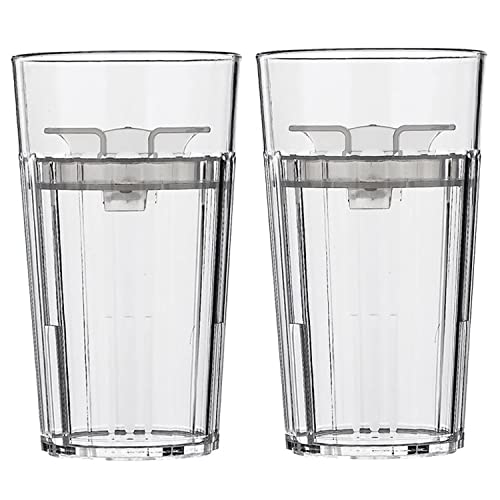
The Reflo Smart Cup Bundle emphasizes a 360 slow-flow control without valves or suction, designed to mimic natural sipping while limiting mess. Made from durable, BPA-free Zylar materials, the cups are unbreakable and built for longevity, meeting safety standards in the US and EU. The 360-degree rim supports a gentle, self-directed drinking experience that accommodates a child’s preferred sipping angle, which can aid oral development and coordination.
Key aspects include slow-flow training without spillage-prone valves, a pediatrician-recommended approach to transition, and a spoutless, valve-free construction that supports early oral development. The bundle offers two cups, which is convenient for households seeking multiple practice cups. The design is splash-resistant and features a QR-coded e-guide to assist parents with transition strategies.
Considerations: While designed to minimize spills, the flow is intentionally slow but not fully spill-proof. Parents should supervise initial use to ensure the child adapts to the 360-degree sipping style and to address any preference shifts toward a spout or straw as needed.
Buying Guide: Key Purchase Considerations
- Flow control: Slow-flow designs reduce overwhelm, but some babies may need adjustable options (switchable nipples or additional layers).
- Materials and safety: Look for BPA-free plastics or alternative materials, and verify compliance with safety standards in the US and EU.
- Ease of cleaning: Removable handles, dishwasher-safe parts, and simple assembly help busy caregivers maintain hygiene.
- Grip and weight: Ergonomic handles and anti-slip textures support little hands learning to hold cups steadily.
- Durability: Unbreakable or impact-resistant designs prevent accidents and extend product life for growing toddlers.
- Transition pacing: Some cups offer familiar bottle textures; others introduce new sipping methods (straws, open rims) to match a child’s readiness.
- Portability: Consider size, weight, and lid security for travel or daycare use; leak-resistance reduces spills on the go.
- Cleaning guidance: Check for top-rack dishwasher compatibility and ease of disassembly to avoid trapped residue.
- Multi-pack value: Two-packs or bundles can simplify replacements and ensure you always have a backup during the transition period.
Selecting a slow-flow sippy cup involves balancing flow rate with a cup’s ergonomics, safety, and ease of use. The options above provide a range of transition-focused designs—from familiar bottle-inspired training to straw-based sipping—to accommodate different babies’ preferences and developmental stages. Parents can use this guide to compare features, monitor baby feedback, and choose the cup that best supports a confident, mess-reduced transition.