Choosing a safe, comfortable sippy cup can support a gentle transition from breastfeeding to cup drinking. This guide highlights five popular options that align with breastfed babies’ needs, focusing on soft spouts, comfortable handles, spill-proof designs, and age-appropriate features. Each cup supports natural hand control and minimizes mess while helping little ones practice sipping. Below, you’ll find quick product overviews, a comparative summary, and practical buying tips to consider based on your baby’s development and feeding routine.
| Product | Brand | Key Benefit |
|---|---|---|
| NUK Learner Cup, 5 Oz | NUK | Easy transition with anti-slip handles |
| Dr. Brown’s Milestones Straw Cup | Dr. Brown’s | Weighted straw for sipping from any angle |
| MAM Starter Cup | MAM | Extra-soft spill-free spout and non-slip handles |
| Chicco Transition Sippy Cup | Chicco | Ergonomic, spill-free with interchangeable lids |
| Thyseed Spill-Proof Weighted Straw Cup | thyseed | Weighted straw, no-spill design, breastfed-friendly transition |
NUK Learner Cup: Gentle Transition To a Cup
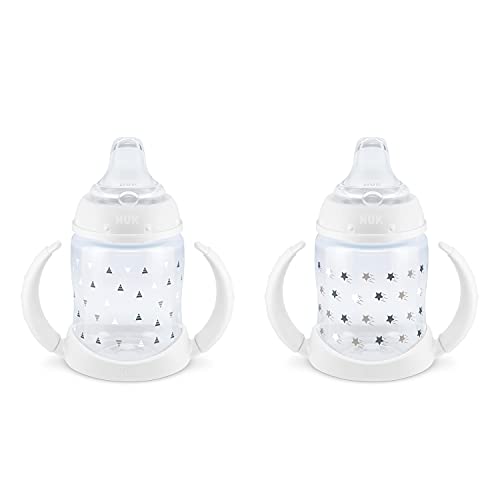
The NUK Learner Cup is designed to ease the bottle-to-cup move for babies around 6 months and older. Its soft spout is gentle on gums, which is beneficial for breastfed babies who are sensitive during weaning. The cup features easy-to-grip, removable anti-slip handles to support growing hand coordination, and a spill-proof design that helps minimize mess as liquids are sipped. The cup’s 5-ounce size fits small hands while encouraging independent sipping habits as part of a gradual transition from breastfeeding.
Dr. Brown’s Milestones First Straw Cup

Dr. Brown’s Milestones Straw Cup offers a weighted silicone straw that moves with the liquid, enabling sipping from any angle—an important feature for babies still learning coordination after breast feeding. The cup includes side-grip handles that are easy for little hands to grasp and remove as the child’s grip strengthens. Its design supports the bottle-to-cup transition while encouraging experimentation with a straw, an essential step for many breastfed babies who are expanding their drinking skills.
MAM Starter Cup: Soft Spout For Beginners

The MAM Starter Cup is tailored for babies beginning to transition from bottles. It features an extra-soft spill-free spout to promote comfortable sipping, plus non-slip handles to help little hands grip the cup securely. Its ergonomic, lightweight design makes it suitable for early independent drinking while keeping a familiar feel as babies adapt from breasts or bottles to a cup. The cup is designed for babies around 4 months and up, aligning well with early weaning stages tied to breastfeeding routines.
Chicco Transition Sippy Cup

Chicco’s Transition Sippy Cup focuses on an easy nipple-to-spout switch with a familiar shape and a satin-textured, non-slip silicone spout. It offers a spill-free flow when sipping, providing reassurance for parents balancing breastfed feeding with early cup use. The cup includes interchangeable lids and bases, all BPA, latex, and PVC-free, which helps accommodate growing messiness and evolving preferences as a baby becomes more independent. The 7-ounce capacity is a practical middle ground for everyday use.
Thyseed Spill-Proof Weighted Straw Cup

The Thyseed trainer cup uses a German-made bite-proof silicone spout designed to be gentle as a mother’s breast, with a larger air vent to ease suction. The jug features a no-spill seal and a highly efficient inverted lid to prevent leaks during at-home and on-the-go use. Its weighted straw technology helps infants sip comfortably from various angles, addressing a common challenge for breastfed babies who are adjusting to a cup. This cup emphasizes safety and stability, making it a reliable choice for early transitional periods.
Buying Guide: Key Purchase Considerations
When selecting a sippy cup for a breastfed baby, consider the following factors to ensure a smooth transition and sustained use:
- Spout type: Soft spouts reduce gum irritation and mimic breastfeeding sensation, making the transition gentler for breastfed babies.
- Weight and angle: Weighted straws or flexible sips help babies drink from any direction, supporting gradual self-feeding.
- Handles: Removable or adjustable handles encourage grip development and can grow with your child’s changing skills.
- Leak prevention: Spill-proof lids and seals reduce mess, especially for travel or nighttime use.
- Materials and safety: Look for BPA-free, latex-free, and PVC-free construction. Durable, easy-to-clean design matters for frequent use.
- Size and capacity: Start with smaller cups (3–7 oz) to match a baby’s appetite and gradually transition to larger cups as they grow.
- Maintenance: Wide-mouth openings simplify cleaning, with dishwasher-safe options preferred for busy households.
- Compatibility with feeding routine: Some babies respond better to straw cups, while others prefer spout cups. A mix of options can help identify what works best.
- Growth potential: Removable handles and adjustable features allow cups to adapt to evolving motor skills and preferences.
Additional Considerations and Perspectives
Manufacturers offer a range of features that address different stages of transition. For breastfed babies who are highly sensitive to new textures, cups with soft spouts and gentle flow can minimize resistance. For toddlers who are starting to explore independent drinking, weighted straws and side grips support more confident sipping. In some families, a mix of cup types—spout, straw, and transition cups—can provide flexibility across daily routines, travel, and daycare. Safety should remain a top priority, with attention to cleanability and durable construction to withstand active little learners.
Final Notes on Selection
Choosing the right sippy cup involves balancing comfort, ease of use, and durability while supporting a breastfed baby’s gradual move toward independent drinking. The five options highlighted here offer a range of features—from soft spouts and anti-slip handles to weighted straws and spill-proof designs—so you can tailor the pick to your baby’s specific needs, development, and feeding rhythm. Remember to monitor your child’s readiness cues and adapt your choices as they progress in their weaning journey.