Transitioning from a bottle to a cup can be challenging for toddlers. This guide highlights top sippy cups designed to ease bottle refusal, featuring spill-free spouts, ergonomic handles, and gentle materials. Each product is evaluated for ease of use, safety, and cleaning, helping parents choose a cup that supports independent drinking.
| Product | Brand | Notes |
|---|---|---|
| MAM Starter Cup (1 Count) | MAM | Spill-free, extra-soft spout, non-slip handles |
| Philips Avent Natural Trainer Cup | AVENT | Natural Response nipple; easy transition from bottle |
| NUK Learner Cup | NUK | Easy grip, spill-proof, soft spout |
| Thyseed Spill Proof Weighted Straw Sippy Cup | thyseed | Weighted straw; no-leak design; gentle on teeth |
| MAM Trainer Sippy Cup for Toddlers | MAM | Extra-soft spout; spill-free; non-slip handles |
MAM Starter Cup (1 Count)

The MAM Starter Cup is designed to help babies transition from sucking to drinking with a spill-free, extra-soft spout. Its ergonomic shape fits small hands, making it easier for 4+ months old babies to grip. Non-slip handles support independent use and reduce spills during the learning phase. This cup emphasizes comfort and control for early sip training while remaining gentle on developing teeth and gums.
Philips Avent Natural Trainer Cup

This trainer cup focuses on a gradual transition from bottle to cup for babies 6 months and older. The kit includes a familiar Natural Response bottle nipple and then switches to a soft silicone spout when ready. Trainer handles assist toddlers in obtaining a comfortable grip, with rubberized surfaces for a non-slip experience, supporting independent sipping as part of a progressive weaning plan.
NUK Learner Cup
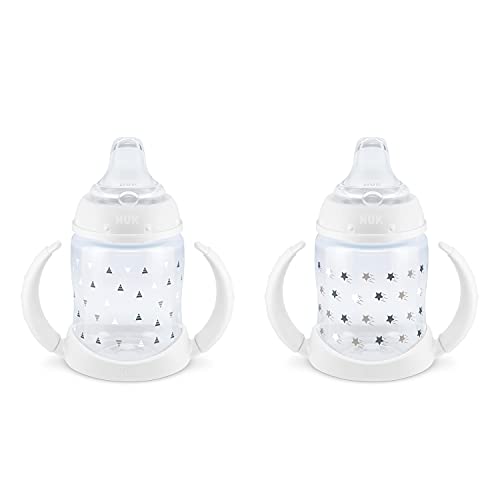
The NUK Learner Cup helps ease the bottle-to-cup transition with an easy-grip design and removable anti-slip handles that suit growing infants. It is spill-proof and uses a soft spout to protect gums while teaching infants to drink from a spout. The design supports independent drinking and gradual skill development as bottles are phased out.
Thyseed Spill Proof Weighted Straw Cup

Thyseed offers a spill-proof training cup with a German-made bite-proof silicone spout and a larger air vent for easier sucking. Its weighted straw design helps babies drink at various angles, an advantage for transitioning away from bottle use. The lid design minimizes leaks, providing peace of mind for parents during busy days and travel.
MAM Trainer Sippy Cup for Toddlers

This MAM trainer cup supports a smooth handoff from bottle to cup with an extra-soft spout and spill-free design. A wide top opening aids cleaning and filling, while non-slip handles are sized for small hands—facilitating an easier transition to self-feeding and independent sipping for toddlers aged 4+ months.
Buying Guide: Key Considerations For Choosing A Sippy Cup For Bottle Refusal
- Spill-proof design: Look for anti-leak lids, weighted straws, or sealed spouts to minimize mess during training and travel.
- Spout vs. straw: Spouts are typically gentler for younger toddlers learning to sip; straws can be beneficial as teeth and coordination develop.
- Grip and ergonomics: Non-slip handles and small-hand-friendly shapes support independent holding and reduce spills.
- Age suitability: Check recommended age and transition cues. Some cups are geared toward 4+ months, while others target older infants and toddlers.
- Cleaning ease: Wide openings and simple parts reduce cleaning effort and improve hygiene during repeated use.
- Materials and safety: Prefer BPA-free, food-grade silicone or plastic; ensure no harmful additives are present.
- Durability and replacement: Consider unbreakable materials or reinforced designs for durability and long-term use.
- Maintenance: Some cups are dishwasher-safe or have fewer parts, which can influence daily routine.
The selection above presents a range of options from well-known brands that emphasize gentle transition features, spill prevention, and kid-friendly designs. When choosing, align the cup’s design with your child’s age, choking risk, and swallowing development, while ensuring cleaning practicality fits your family routine. For children with bottle refusal, starting with a cup that mimics the bottle’s feel—such as the early transition cups with familiar nipples or soft spouts—can reduce resistance and encourage independent drinking over time.