Choosing a sippy cup for a 6-month-old involves balancing transition ease, gum comfort, and spill resistance. The right cup supports a gradual move from breast or bottle toward independent drinking, while fitting little hands and evolving coordination. Below, you’ll find five well-suited options featuring soft spouts, weighted or flow-friendly designs, removable handles, and BPA-free materials. Each product highlights a practical path toward a smoother cup introduction for your baby.
| Product | Brand | Key Benefit |
|---|---|---|
| NUK Learner Cup, 5 Oz (Pack of 2) | NUK | Soft spout, spill-proof, easy grip handles |
| Dr. Brown’s Milestones Baby’s First Straw Cup | Dr. Brown’s | Weighted straw for sipping in any direction |
| NUK Learner Cup, Timeless Collection, 5 Oz (Pack of 2) | NUK | Gentle transition with anti-slip handles |
| Mama Bear Silicone Weighted Straw Sippy Cup, 9 Oz (Pack of 2) | Mama Bear | Weighted straw, BPA-free, dishwasher safe |
| Munchkin Sippy Cup 7 Oz (2 Pack) | Munchkin | 360-degree edge to reduce spills, dentist-recommended design |
NUK Learner Cup: 5 Oz Pack Of 2
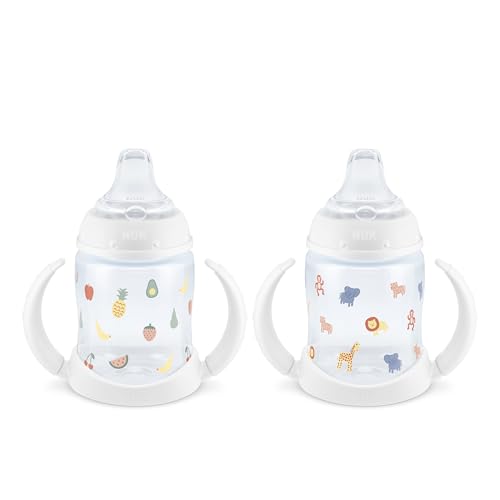
The NUK Learner Cup is designed to ease the bottle-to-cup transition. Its soft, spill-proof spout is gentle on gums, while the anti-slip handles offer secure grip for little hands. The handles are removable, enabling the cup to grow with your baby as motor skills develop. The 5-ounce capacity is well-suited for early sipping sessions, and the cup is BPA-free for safer use. This option emphasizes a calm introduction to drinking from a cup, with liquids flowing when sipped but minimizing mess during the learning curve.
Dr. Brown’s Milestones Straw Cup, 9 Oz

Dr. Brown’s Milestones Straw Cup is a first straw cup built to ease the shift from bottle feeding. Its weighted silicone straw moves with the liquid, enabling sipping from any direction and encouraging independent drinking. The side-grip handles are easy for small hands to hold, and the cup’s contour design supports a natural hand placement. Removable handles allow the cup to adapt as the baby’s grip strengthens. The 9-ounce size offers more capacity for longer play sessions or meals, while remaining BPA-free for safety.
NUK Learner Cup Timeless Collection
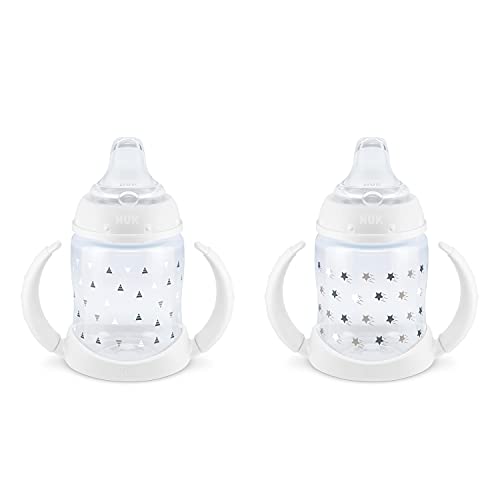
The Timeless Collection version from NUK focuses on a familiar transition path with easy-grip, anti-slip handles that adapt as the baby grows. The soft, spill-proof spout is gentle on gums while promoting the drinking-from-a-cup habit. This 5-ounce pack of two is BPA-free and designed to support a steady progression from bottle to cup, helping babies learn to drink with a controlled flow that reduces spills and gag reflex concerns during early practice sessions.
Mama Bear Silicone Weighted Straw Cup, 9 Ounce
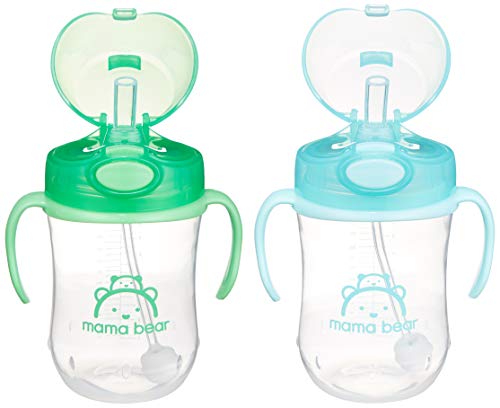
The Mama Bear Cup uses a silicone weighted straw that moves with the liquid, enabling sipping from various angles and encouraging a natural drinking motion. The 9-ounce capacity supports longer feeding sessions as your child grows, while BPA-free construction offers safety assurances. The design includes removable handles for easier gripping and cleaning, making it a practical option for families seeking durability and ease of maintenance in a growing toddler’s cup repertoire.
Munchkin Sippy Cup 7 Oz (2 Pack)
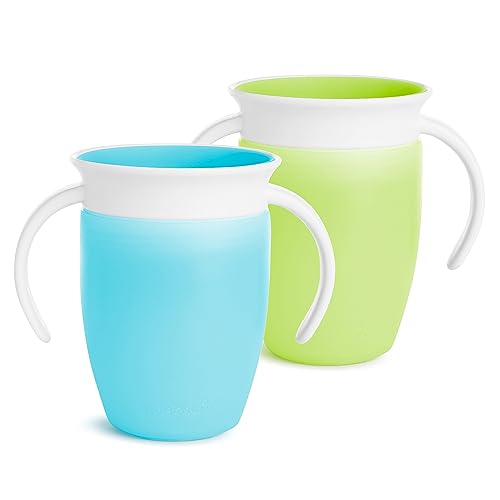
The Munchkin Miracle 360 Sippy Cup has a unique 360-degree drinking edge, allowing sipping from anywhere around the rim and minimizing spills. Designed to support normal oral development, this two-pack emphasizes a transition away from traditional spouts while offering a durable, dishwasher-safe option. The set provides a transition-friendly approach for babies who are ready to experiment with a cup that mimics regular drinking but without the risk of dripping messes. It is a useful option for both home and on-the-go use.
Buying Guide: Key Purchase Considerations
- Age and development stage: For a 6-month-old, look for soft spouts or weighted straws that accommodate developing jaw control and easily adapt as hand coordination improves.
- Spill-proof design: A reliable no-spill mechanism reduces mess during practice, crucial for early transition phases and travel.
- Handle design: Removable handles help with grip and progression; as babies grow, you can remove them to encourage independent grasping.
- Materials and safety: Confirm BPA-free materials and durable construction. Dishwasher-safe options save time on cleaning, and non-toxic inks are important for starter cups.
- Cleaning ease: Removable parts should be simple to disassemble and reassemble. Smooth, gasket-free designs minimize mold-prone crevices.
- Capable capacity: Start with smaller volumes (around 5–9 oz) to prevent overwhelm, then transition to larger cups as appetite and skills improve.
- Durability and age progression: Choose cups with durable bodies and parts that can be reused as your child’s needs change, ensuring long-term value.
- Cleaning frequency: Consider whether the cup’s parts are easy to sanitize by hand or in a dishwasher; weighted straws and soft spouts may require more thorough cleaning.
- Transition strategy: Some cups are designed to mimic regular cups more closely (360-degree edges), which can support gradual independence.
- Maintenance and replacement parts: Check for availability of replacement spouts, straws, lids, and handles for extended use beyond the initial months.
In summary, the best sippy cup for a 6-month-old balances a gentle drinking experience with practical design features such as anti-slip handles, spill resistance, and materials safe for infants. Each option highlighted above prioritizes a steady progression from bottle to cup, helping caregivers monitor development while minimizing mess and frustration during early feeding milestones. Always supervise initial introductions and consult pediatric guidance if you have concerns about feeding readiness or oral development.