Parents and caregivers increasingly turn to sensory blankets to provide soothing tactile experiences for toddlers. These blankets combine varied textures, tags, and gentle fabrics to help kids regulate emotions, sleep better, and stay engaged. The following selections focus on popular, well-reviewed options that emphasize comfort, safety, and sensory appeal. Each product is chosen for durability, ease of cleaning, and kid-friendly design.
| Product | Brand | Key Feature |
|---|---|---|
| Big Tags Soft Red Dinosaur Blanket for Babies and Toddlers | TRYTUTRY | Colorful tags and dual-fabric texture |
| CREVENT Tag Security Blanket (Purple Tag) | CREVENT | Minky dot front/back with taggies |
| Pink Lovey Babies Tags Blanket | Upalupa | Tagged edge with soft polyester |
| Taggies Soothing Sensory Stuffed Animal Security Blanket (Molasses Sloth) | Mary Meyer | Lovey with attached sensory blanket |
| Sensory Bed Sheet For Deep Pressure Therapy – Twin | KWEPZEY | Calming deep-pressure feel, breathable |
Note: Each product below is linked to its Amazon listing. Images illustrate textures and designs designed to engage toddlers through touch, sight, and gentle rhythm. All selections emphasize safety, easy cleaning, and durable stitching suitable for everyday use.
Big Tags Soft Red Dinosaur Blanket

The Big Tags Soft Red Dinosaur Blanket combines a plush velvet one-side with a cotton knit opposite, creating a soothing tactile contrast ideal for toddlers. It features numerous soft, silky tags in varied fabrics and colors, delivering rich textures that encourage tactile exploration. The blanket is machine washable for easy maintenance, a practical choice for daily use. Its compact 55×45 cm size fits well in cribs, strollers, and car seats, making it a versatile security blanket for nap time and quiet play.
CREVENT Purple Tag Security Blanket

CREVENT’s Tag Security Blanket offers a soft Minky dot fabric on both sides with attached taggies. Sized at 10 inches square, this small, giftable lovey is designed for newborns through toddlers and can be easily tucked into a diaper bag or stroller. The taggies provide a gentle sensory cue without overwhelming textures, making it suitable for children who benefit from simple, comforting stimuli during naps, car rides, or quiet time. Its compact footprint supports portability and consistent familiarity across environments.
Pink Lovey Babies Tags Blanket

Upalupa’s Pink Lovey is a soft, 100% polyester security blanket that emphasizes comfort and security. The blanket features a plush surface suitable for skin contact and a tag-rich edge providing tactile variety. The design aims to help babies and toddlers respond to bedtime cues with a familiar sensory anchor, potentially easing transitions to sleep. The material profile supports gentle washing cycles and everyday use, making it a practical addition to a toddler’s sensory toolkit.
Taggies Soothing Sensory Stuffed Animal Security Blanket
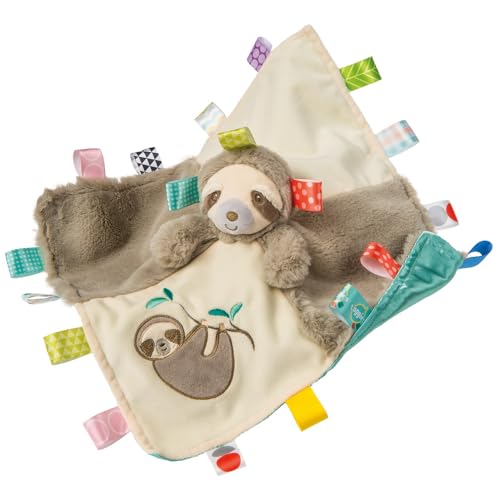
Mary Meyer’s Taggies Soothing Sensory Stuffed Animal Security Blanket pairs a cuddly sloth toy with a 13 x 13-inch security blanket. The sloth features embroidered eyes and a friendly smile, while the blanket area incorporates colorful tags and satin lining for tactile exploration. This dual-function design works as both a comforting lovey and a sensory toy, encouraging children to engage with textures, practice object-permanence, and use the blanket as a cozy hand-held companion during travel, naps, or bedtime.
KWEPZEY Sensory Bed Sheet Twin

KWEPZEY’s sensory bed sheet is designed to deliver a calming deep pressure experience through its snug, breathable fabric. Marketed for sleep support, it aims to mimic a comforting hug, which can help toddlers and children feel secure and fall asleep more easily. The sheet is described as hypoallergenic and appropriate for broader use, including those with sensory processing needs, anxiety, or ADHD. While primarily a sleeping aid, the gentle compression can be a part of a broader sensory play routine, contributing to consistent bedtime rituals.
Buying Guide: Key Purchase Considerations And Comparisons
When choosing sensory blankets for toddlers, consider these dimensions to ensure a good fit for your child’s needs and your family’s routines:
- Texture variety: Look for blankets with multiple fabrics and tag textures to stimulate tactile input without overstimulation. A blend of plush, cotton, and satin tags can offer balanced sensory feedback.
- Size and portability: Smaller loveys (around 10–13 inches) are easy to carry, while larger blankets provide more coverage for nap and bedtime. Choose a size that suits your child’s typical rest environment—cribs, car seats, or strollers.
- Safety and materials: Prioritize fabric that is machine washable, dye-free, and nontoxic. Sturdy stitching around tags reduces the risk of loose pieces and choking hazards.
- Soothing features: Some blankets combine security with a comforting toy (lovey) like a plush animal, whereas others emphasize a simple textile experience. Consider whether you want a standalone blanket or a combined toy-and-blanket design.
- Care instructions: Machine washable options simplify maintenance, especially for toddlers who may have spills or accidents during travel or naps.
- Durability versus sensory intensity: Heavier textures and more tags provide richer sensory input but may wear faster with frequent washing. Balance the abundance of textures with the garment’s durability expectations.
- Allergies and sensitivities: If your child has sensitive skin or allergies, select hypoallergenic fabrics and minimize potential irritants in dyes or finishes.
Practical considerations include how the blanket travels with your child (daycare, car rides, or visits) and how it integrates into your sleep routine. While some toddlers respond well to constant texture exposure, others may prefer minimal stimulation. Pairing a sensory blanket with a consistent bedtime ritual can improve effectiveness. For caregivers seeking versatility, products that double as a comforting toy or are easy to clean often provide superior long-term value.
How To Introduce A Sensory Blanket
Begin by offering the blanket during calm activities, such as reading or quiet play. Allow the child to explore textures at their own pace and gradually incorporate the blanket into nap and bedtime routines. Observe how your child responds to the textures and adjust use based on comfort signals. If overstimulation occurs, rotate the textures or use the blanket for shorter intervals. In time, the blanket can become a predictable cue for security and rest.