Finding the right portable trapeze for bed mobility can improve independence and reduce caregiver strain. The following five products are selected for American homes, hospitals, and long-term care settings, emphasizing stability, adjustability, and user comfort. This guide compares design, weight capacity, and setup to help you choose a model that best fits your needs.
| Product | Brand | Weight Capacity | Highlights |
|---|---|---|---|
| VEVOR Trapeze Bar for Bed Mobility (350 LBS) | VEVOR | 350 lbs | Heavy-duty frame, adjustable height, floor stand with casters |
| RESTISLAND Trapeze Bar for Bed Mobility | RESTISLAND | Up to 400 lbs | Free-standing, high stability, versatile applications |
| VEVOR Trapeze Bar for Bed Mobility (250 LBS) | VEVOR | 250 lbs | Free-standing, robust steel frame, adjustable strap |
| KRCKWYGF Bed Trapeze Bar (300 LBS) | KRCKWYGF | 300 lbs | 4-in-1 design with riser and pulleys, sturdy build |
| Lumex 2800GA Versa-Helper Trapeze Bar | Graham-Field | Not specified in listing | Adjustable grab handle, clamps to bed frame |
The following sections present detailed product profiles to help you compare features, installation, and practical use across common living situations.
VEVOR Trapeze Bar for Bed Mobility (350 LBS)
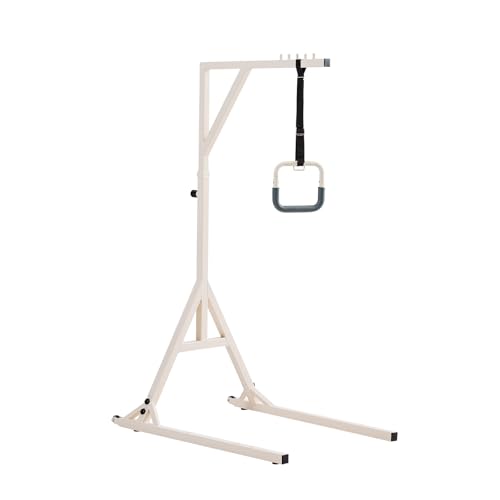
The VEVOR trapeze uses a heavy-duty Q195 steel frame with a 350 lb capacity, designed to reduce wobble through reinforced triangular supports at the base and top. It combines a floor stand with casters for portability and is suitable for seniors, disabled users, or anyone needing independent transfers to a wheelchair or in and out of bed. The height-adjustable design and adjustable strap provide flexible positioning of both the bar and the handle to match user needs, enhancing comfort during transfers and exercises.
RESTISLAND Trapeze Bar for Bed Mobility

RESTISLAND emphasizes safety with a sturdy iron and aluminum frame supporting up to 400 lbs. The free-standing design minimizes the need for bed modification, and the trapeze can be used for transfers, bed activities, exercise, and rehabilitation. The height-adjustable frame accommodates a range of user heights and capabilities, while the dual-star knobs stabilize the base to prevent shaking during use.
VEVOR Trapeze Bar for Bed Mobility (250 LBS)

This free-standing trapeze keeps wobble in check with a heavy-duty Q195 steel frame and reinforced bases. It functions well for safe wheelchair transfers and independent bed access, and includes a non-slip handle with an adjustable strap. The strap’s multiple positions along the upper arm add flexibility for various routines and caregiver workflows, making it a practical choice for home care or clinical settings.
KRCKWYGF Bed Trapeze Bar (330 LBS)

KRCKWYGF’s trapeze offers a floor stand with a swing-style handle and a high load capacity (up to 300 lbs). Its construction emphasizes stability, with triangular supports at both the top and bottom to reduce sway. The design supports a range of activities from sitting up, standing, to assisting transfers to chairs or wheelchairs, and it includes a 4-in-1 functional approach like risers and cervical aids for broader physical therapy options.
Lumex Versa-Helper Trapeze Bar for Bed Mobility
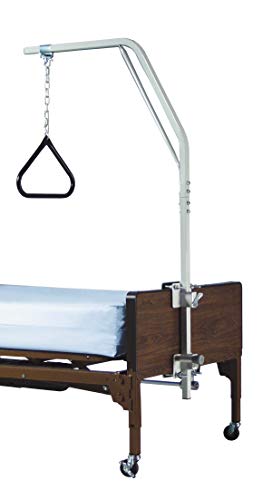
The Lumex Versa-Helper focuses on safe, independent transfers with an adjustable triangular handgrip to match height and reach. It clamps to bed frames using included hardware, saving space while enabling users to reposition, sit up, and transfer with less caregiver assistance. This model suits bedside use where a compact, easily mountable solution is preferred.
ProHeal Medical Trapeze Bar for Bed Mobility

ProHeal’s trapeze bar is positioned as a standard bed pull-up assist with a 250 lb capacity, designed for elderly and bedridden patients. The frame is built for durability with a robust high carbon steel construction, and height adjustability ranges to accommodate different bed heights and user needs. This option aims to balance portability with dependable support for daily transfers.
Buying Guide: Key Purchase Considerations And Comparisons
- Weight capacity: Match the trapeze to the user’s weight and anticipated load during transfers and exercises. Higher capacities (300+ lbs) provide margin for safety and future needs.
- Mounting style: Free-standing trapezes offer portability and minimal bed modification, while bed-mounted clamps save space but require sturdy bed framing.
- Adjustability: Look for adjustable heights for both the trapeze frame and the handle height. Horizontal strap adjustments along the upper arm add versatility for different users and routines.
- Stability features: Reinforced bases, triangular supports, and secure knobs reduce wobble. If the user is unsteady, prioritize models with tested stability enhancements.
- Grip design: A wider, non-slip handle improves grip; consider models with ergonomic shapes or cushioned grips for comfort during longer sessions.
- Portability and storage: If you need to move the unit between rooms or homes, prefer models with wheels or lighter frames and compact folding options where available.
- Assembly and maintenance: Check included hardware, ease of assembly, and whether parts are readily replaceable or serviceable to extend product life.
- Intended use: Some trapeze bars are designed for general mobility, others incorporate additional components (pulleys, risers) for therapy and rehabilitation. Align features with care goals.
- Care settings: For home care, weigh ease of use and footprint. For clinical or nursing home environments, prioritize durability and higher weight capacities.
- Safety certifications: While product listings may not always show formal certifications, verify that the design meets common safety standards for assistive devices and consult caregivers or healthcare professionals if needed.
Overall, the ideal portable trapeze for bed will balance weight capacity, stability, and ease of setup with the user’s mobility goals. Whether you prioritize total portability, the ability to support rehabilitation exercises, or simple daily transfers, the selections above cover a range of environments—from home bedrooms to assisted living facilities.