For families seeking dairy-free, soy-based, or plant-based formulas, choosing a product that supports gentle digestion and essential development is important. This guide highlights five well-regarded plant-based options designed for babies and toddlers, focusing on lactose-free and dairy-free formulas, digestive comfort, and key nutrient profiles. Each option is evaluated for suitability across common sensitivities, including fussiness, gas, and milk sensitivity.
| Product | Brand | Key Benefit | Target Age |
|---|---|---|---|
| Enfamil Prosobee Plant Based Baby Formula (20.9 Oz) | Enfamil | Soy-based, dairy-free, supports gentle digestion | 0-12 months |
| Enfamil Prosobee Plant Based Baby Formula (4 Count) | Enfamil | Powder formula, dairy-free option for milk sensitivity | 0-12 months |
| Enfamil Prosobee Plant Based Baby Formula (32 Oz Bottle) | Enfamil | Ready-to-use dairy-free formula for on-the-go feeding | 0-12 months |
| Haven Oat Toddler Formula (14.1 Oz) | Haven | Plant-based, dairy-free with prebiotics and probiotics | 12-36 months |
| Good Start Dr. Brown’s Soy-ease Pro (20 Oz) | Good Start | 100% plant-based proteins, dairy-free and lactose-free | 0-12 months |
Note: Each product’s suitability depends on your baby’s individual needs. Always consult with a pediatrician if you have concerns about allergies or digestive comfort, and follow preparation instructions on the packaging.
Enfamil Prosobee Plant Based Baby Formula, 20.9 Oz

Product overview: This soy-based alternative to milk-based formulas is lactose-free and dairy-free, catering to infants with lactose intolerance or dairy sensitivities. It uses soy as the primary protein source, designed to reduce fussiness and gas associated with milk-based formulas. It carries DHA to support neural development similar to routine Enfamil formulas, aligning with long-term cognitive benefits through early childhood.
Enfamil Prosobee Plant Based Baby Formula, 4 Count
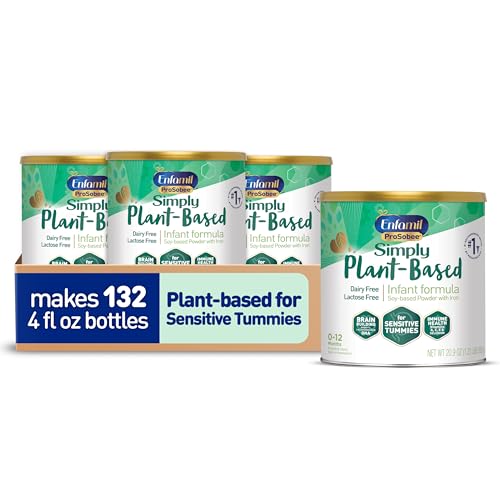
Product overview: This dairy-free powder formula is a soy-based alternative designed for milk sensitivity. It provides complete nutrition suitable for the first 12 months, helping ease fussiness and gas that may occur with dairy-containing formulas. It is dairy and lactose-free, offering a convenient option for families seeking plant-based feeding without dairy.
Enfamil Prosobee Plant Based Baby Formula, 32 Oz Bottle (4 count)
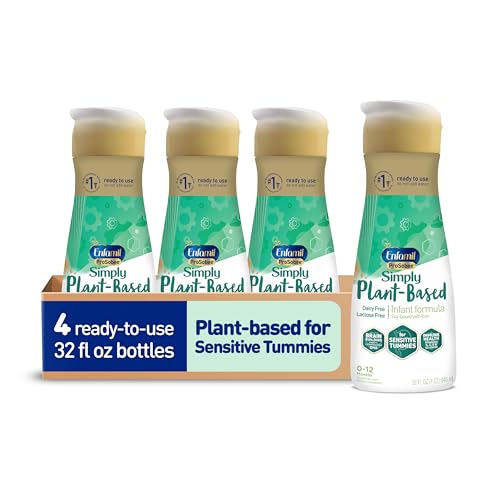
Product overview: A ready-to-use bottle option, this dairy-free formula is ideal for busy parents. It uses soy protein to support digestion in infants sensitive to dairy and aims to reduce fussiness and gas typical of milk-based formulas. The ready-to-use format helps with night feedings and travel, while maintaining dairy-free nutrition for lactose-intolerant babies.
Haven Oat Toddler Formula, 14.1 Oz
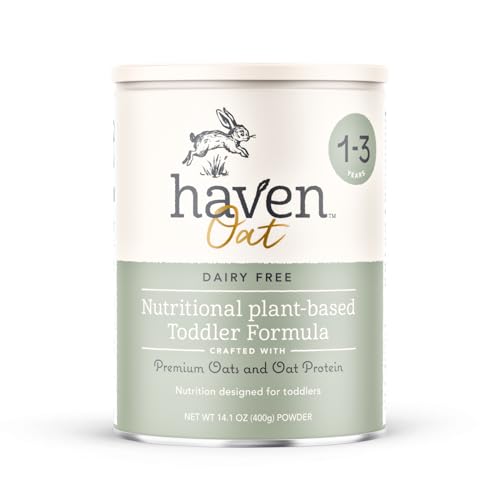
Product overview: A plant-based toddler formula designed for ages 1–3, Haven uses oat-based protein and is dairy-free. It includes prebiotics and probiotics to support digestion, plus omega-3 DHA and lutein for development. This option is positioned for families seeking a dairy-free, non-GMO product with clean European-inspired formulation standards and a focus on gut health and immune support.
Good Start Dr. Brown’s Soy-ease Pro, 20 Oz

Product overview: This formula emphasizes complete plant-based nutrition with 100% plant-based proteins. It is milk and lactose-free, designed to address fussiness and gas linked to dairy sensitivities. The product appeals to families seeking a dairy-free option without compromising protein quality for early growth and development.
Enfamil ProSobee Plant Based Baby Formula, 32 Oz Bottle

Product overview: A ready-to-use, fully dairy-free soy formula option, designed to ease symptoms associated with milk sensitivity, such as fussiness and gas. It mirrors Enfamil’s standard DHA content to support early learning, while offering a soy-based protein profile suitable for babies with lactose intolerance or dairy-free dietary needs.
Buying Guide: Plant-Based Baby Formulas — Key Purchase Considerations
When selecting a plant-based formula, consider nutritional adequacy, age range, dairy and lactose content, protein source, DHA/ARA content, and fortification of vitamins and minerals such as iron and calcium. For infants with documented dairy sensitivity or lactose intolerance, dairy-free soy-based formulas can be a practical option, though medical guidance is advised for infants with allergies.
- Protein source and digestibility: Soy-based formulas are common plant-based options, but some families may prefer oat or other plant proteins. Check for complete protein profiles suitable for infants.
- Age and feeding format: Ready-to-use liquids offer convenience for on-the-go feeding, while powders require preparation. Ensure the product matches your baby’s age and feeding routine.
- DHA and brain development: Many plant-based formulas pair with DHA to support cognitive development; compare levels across brands to align with pediatric nutrition guidance.
- Allergen considerations: If there is a history of soy allergy or other allergies, review labels and consult a pediatrician before introducing a new formula.
- Digestive health: Formulas fortified with prebiotics and probiotics or those designed for sensitive tummies may help with gas, fussiness, or constipation, depending on the baby’s needs.
- Regulatory and quality assurance: Look for formulas produced under strict European or U.S. safety standards and certifications that reflect clean ingredients and ethical sourcing.
Additional considerations include the family’s dietary preferences (vegetarian or kosher), availability of ready-to-use options for travel, and compatibility with existing bottles or nipples. Since every baby responds differently, monitor weight gain, stool patterns, and overall comfort after introducing any plant-based formula and consult healthcare providers for tailored guidance.