For babies with cow milk allergy (CMA), selecting a hypoallergenic formula can help reduce symptoms such as eczema and colic while supporting growth and development. The following five products are among the most-referenced options in the market, offering extensively hydrolyzed or amino acid-based formulas, added DHA/ARA, and probiotic ingredients where available. This guide highlights key features to help caregivers compare options and choose what best fits a baby’s needs.
| Product | Brand | Format | Main Benefit |
|---|---|---|---|
| Pepticate Baby Formula (13.2 oz) | NUTRICIA PEPTICATE | Powder | Extensively hydrolyzed protein; supports CMA management |
| Similac Alimentum (19.8 oz) | Similac | Powder | Milk protein extensively broken down; reduces protein-sensitivity colic |
| Enfamil Nutramigen (12.6 oz) | Enfamil | Can | Hypoallergenic with LGG probiotic; fast colic relief |
| Enfamil Nutramigen (27.8 oz) 4-Count | Enfamil | Powder Can | LGG probiotic; widespread allergy support; large quantity |
| Alfamino (14.1 oz) | Alfamino | Powder | Amino acid-based formula for CMA and multiple allergies |
Pepticate Hypoallergenic Formula, 13.2 oz

Pepticate is an extensively hydrolyzed infant formula designed for cow milk allergy. It is clinically shown to help manage CMA symptoms, including eczema and colic. The formula is inspired by breast milk components, featuring prebiotic oligosaccharides for digestive health and immune support, nucleotides for immune function, and DHA/ARA to promote brain and eye development. This product is available in a 13.2-ounce container and emphasizes CMA symptom relief and nutritional adequacy.
Similac Alimentum Hypoallergenic Formula, 19.8 oz

Similac Alimentum is designed for infants with CMA or protein sensitivity. Its formula is broken down into tiny peptides to help virtually minimize allergic reactions. It is positioned to start reducing colic symptoms related to protein sensitivity, with rewards available via the MySimilac program. This option focuses on tolerability and early symptom relief for infants experiencing cow’s milk–related discomfort.
Enfamil Nutramigen Hypoallergenic Formula with Iron, 12.6 oz

Nutramigen hypoallergenic formula provides comfort through fast relief from colic associated with CMA and includes iron for daily nutrition. It features LGG probiotic for digestive health and immune support. Early feeding can begin to reduce crying, offering a caregiver-friendly option that balances allergen management with essential nutrients for growth.
Enfamil Nutramigen Hypoallergenic 27.8 oz, 4 Count

This larger pack of Nutramigen delivers hypoallergenic support with LGG probiotic to manage CMA symptoms. It is designed for fast relief from colic and supports digestive health and immune function. The added DHA and ARA help brain and eye development, aligning with long-term nutritional goals for CMA-affected infants.
Alfamino Hypoallergenic Amino Acid Based Formula with Iron, 14.1 oz
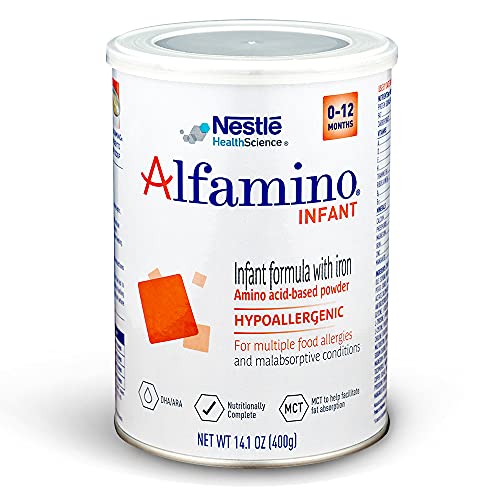
Alfamino is an amino acid–based formula designed for infants with CMA or multiple food allergies. It provides essential nutrients with a fat blend including medium-chain triglycerides (MCTs) to facilitate fat absorption. This option is suitable when extensively hydrolyzed formulas are not tolerated or when multiple allergies are present and amino acid-based nutrition is recommended.
Buying Guide
- Protein type: Extensively hydrolyzed (eHF) formulas are common for CMA and intolerance, while amino acid–based formulas are used for more severe or multiple allergies. Consider a trial under pediatric guidance to identify the best fit.
- Digestive support: Look for prebiotics, probiotic LGG, and DHA/ARA. These ingredients can support gut health, immune development, and brain growth.
- Iron and micronutrients: Ensure the formula provides essential minerals and vitamins for growth, unless advised otherwise by a clinician.
- Allergy relief vs. tolerance: Some formulas claim rapid colic relief; clinical response varies by infant. Monitor feeding, stools, and comfort levels.
- Formulation variety: Availability in cans, powders, and multi-pack options can influence long-term use and cost. Larger packs may reduce shopping frequency but require storage planning.
- Breast milk compatibility: While designed for CMA, some formulas are “inspired by” breast milk. Consider whether the product aligns with your feeding goals and pediatric guidance.
- Healthcare guidance: Always consult a pediatrician or allergist before switching formulas, especially if your infant has a diagnosed CMA or a history of severe allergy symptoms.
The products above are selected for their relevance to CMA management and hypoallergenic nutrition, offering a range of hydrolyzed and amino acid–based options, supportive additives, and different packaging sizes to suit families’ needs. For caregivers, choosing the right formula involves evaluating a baby’s tolerance, symptom relief, and growth requirements in consultation with a healthcare professional.