Exploring nature with a little one requires a carrier designed for safety, comfort, and ease of use. This guide highlights top hiking backpack carriers for babies, comparing build quality, fit, storage, and weather protection. Each option below is chosen for stability on trails, adjustable support for caregivers, and convenient features like sunshades, rain hoods, and changing pads. Read on to identify which carrier best suits your family’s hiking goals and daily adventures.
| Product | Brand | Key Feature | Weight/Capacity |
|---|---|---|---|
| besrey Baby Backpack Carrier (Black) | besrey | 5-point seat belts, foldable frame, sunshade | 5.5 lb; 16–40 lb child total |
| Chicco SmartSupport Aluminum Frame Carrier | Chicco | Lightweight frame, adjustable seat, 3D mesh ventilation | Lightweight; grows with child |
| Luvdbaby Hiking Baby Carrier | Luvdbaby | Removable sun visor, insulated bottle pocket | Variable with child gear |
| Osprey Poco LT | Osprey | Lightweight folding frame, travel-ready, adjustable fit | Lightweight; torso adjustability |
| ClevrPlus Deluxe Adjustable Carrier | ClevrPlus | One-piece frame, large storage, removable mini backpack | 5.2–5.5 lb; ample storage |
Besrey Baby Backpack Carrier (Black)

The Besrey hiking backpack carrier emphasizes kid safety and comfort with a 5-point seat belt system, soft straps, and stirrups to maintain a secure seating position during hikes. A detachable sunshade protects the child from sun, wind, or rain, while a washable drool pad keeps surfaces clean. The carrier remains lightweight at about 5.5 pounds, and supports a combined weight range including child and gear from roughly 16 to 40 pounds. This model blends practical weather protection with a foldable frame for easy transport and storage.
Chicco SmartSupport Aluminum Frame Carrier

The Chicco SmartSupport carrier features a lightweight aluminum frame, offering hands-free support for hiking and travel. It grows with your child through a two-position, height-adjustable seat and a 5-point harness. Parents benefit from padded ergonomic shoulder and waist straps, plus breathable 3D mesh on the back, lumbar area, and straps for enhanced ventilation. The design focuses on long-wear comfort for caregivers while ensuring secure, adjustable seating for children as they grow.
Hiking Baby Carrier By Luvdbaby

This Luvdbaby carrier prioritizes safety and comfort with a padded cocoon design, safety straps, and stirrups. It includes a removable sun visor to shield from sun and wind, and the back panel and straps are designed to be height-adjustable to accommodate growing children and different caregiver builds. Multiple pockets, including an insulated bottle pocket, help organize baby gear and personal items for longer hikes.
Osprey Poco LT Lightweight Child Carrier

The Poco LT is designed for families on the go, offering a compact, travel-ready solution with a patented lightweight folding frame. The stainless steel frame locks securely in place and folds flatter for easy packing, airport checks, or storage. It provides an adjustable torso length (about 6 inches) to fit multiple caregivers and ensure a comfortable ride for growing toddlers. The carrier emphasizes portability without sacrificing safety or comfort.
ClevrPlus Deluxe Adjustable Carrier
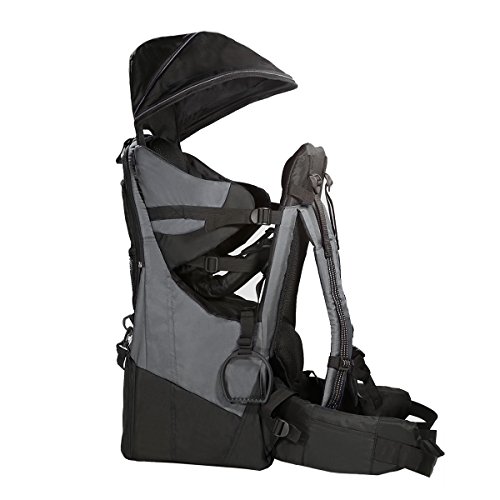
The ClevrPlus Deluxe combines safety with practical storage, featuring a one-piece frame and 5-point seat belts for secure seating. It offers ample storage space, including a removable mini backpack that can be used separately. Weighing about 5.2 pounds, it aims for comfort with padded straps, a hip belt, and lumbar padding, and a waistband that extends to roughly 60 inches for a broad range of caregiver sizes. It’s designed for extended outdoor use and easier organization of baby gear.
Buying Guide: Key Purchase Considerations
When choosing a hiking backpack carrier for a baby or toddler, consider safety, comfort, and practicality. A few critical factors:
- Safety features: Look for a 5-point harness system, sturdy frame, and well-supported seating that prevents slumping or tipping on uneven terrain.
- Weight and load capacity: Check if the carrier supports the child’s weight plus essential gear, and ensure the carrier itself is not overly heavy for long hikes.
- Fit and adjustability: An adjustable torso length, padded shoulder/waist straps, and lumbar support help distribute weight evenly and reduce caregiver fatigue.
- Weather protection: Detachable sunshades or rain/hood protection, plus a wipeable or washable drool pad and ventilation, improve comfort in varying conditions.
- Storage and organization: Pockets for bottles, changing pads, snacks, phones, and extra layers simplify trail days and reduce gear clutter.
- Ease of use: Consider foldability and folding frames for travel, quick setup, and simple storage in cars or overhead compartments.
Other considerations include adaptability for multiple caregivers, durability of materials, and the carrier’s ability to accommodate growing children. Reading product specs and customer reviews can clarify long-term comfort, fit for different body types, and real-world usability on trails, sidewalks, or airports. Compare models based on how often you hike, typical terrain, and the weather you encounter to select the carrier that best balances safety, comfort, and practicality.