Parents seeking lactose-free or lactose-tolerant formula options can choose from a range of specialized infant formulas designed to ease fussiness, gas, and colic. The following picks focus on lactose sensitivity and dairy-free needs, highlighting key benefits such as prebiotics, DHA, immune-supporting vitamins, and easy digestion. Each product features evidence-backed ingredients to support comfort and nutrition for babies with lactose concerns.
| Product | Brand | Key Benefit |
|---|---|---|
| Similac Sensitive Infant Formula, 29.8-oz | Similac | Supports fussiness and gas due to lactose sensitivity; DHA and lutein for brain & eye development |
| Similac 360 Total Care Sensitive, 20.1-oz | Similac | 5 HMOs prebiotics; closest blend to breast milk; gentle on sensitive tummies |
| Enfamil Nutramigen Baby Formula, 19.8 Oz | Enfamil | Hypoallergenic, fast relief from crying; LGG probiotic supports digestion |
| Good Start Soy-ease Pro, 20 Oz | Good Start | Milk- and lactose-free; 100% plant-based proteins for sensitive tummies |
| Enfamil ProSobee Plant Based, 32 Fl Oz | Enfamil | Soy-based, dairy-free; convenient dairy-free option for lactose sensitivity |
Choosing the right formula involves evaluating a baby’s tolerance, dietary needs, and family preferences. This guide highlights options ranging from lactose-reduced to dairy-free formulas, including those enriched with prebiotics, probiotics, and essential fatty acids. Consider speaking with a pediatrician if a cow’s milk protein allergy or persistent digestive symptoms are suspected.
Similac Sensitive Infant Formula

Designed for babies with fussiness and gas linked to lactose sensitivity, this infant formula from Similac provides a gentle option to support comfortable digestion. It includes DHA and lutein to support brain and eye development, aligning with nutritional needs similar to breast milk. The formula aims to reduce daily discomfort while delivering essential nutrients for early growth. Consider its lactose-tensitive formulation when a standard milk-based product seems to irritate baby’s tummy.
Similac 360 Total Care Sensitive

This formula emphasizes a close-to-breast-milk prebiotic blend, featuring 5 HMOs designed to support gut health in sensitive tummies. The 360 Total Care Sensitive version targets fussiness and gas associated with lactose sensitivity while delivering a comprehensive nutrient profile. Its focus on a gut-friendly prebiotic blend may suit families seeking a daily option that mirrors natural digestion processes more closely than standard formulas.
Enfamil Nutramigen Baby Formula
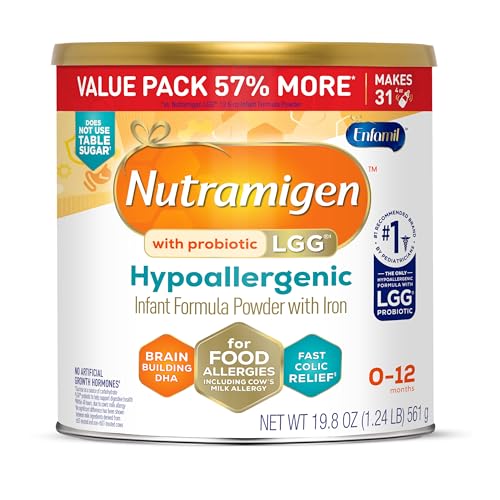
Nutramigen is a hypoallergenic option designed for infants with cow’s milk protein allergy, delivering fast relief from crying and colic. It uses Enflora LGG, a probiotic intended to support digestive health. Clinically tested for comfort with severe symptoms, Nutramigen can be a suitable choice when intolerance is suspected and quicker soothing relief is desired. It is dairy-free in practice by avoiding lactose-heavy ingredients typical of standard cow’s milk formulas.
Good Start Soy-ease Pro

Soy-ease Pro provides a milk- and lactose-free alternative intended for sensitive tummies. This plant-based protein formula offers complete nutrition with dairy-free ingredients, ideal for babies who exhibit fussiness and gas due to dairy sensitivity. Families seeking a non-dairy option with plant-based proteins may find Soy-ease Pro aligns with dietary preferences and medical guidance for lactose intolerance management in infancy.
Enfamil ProSobee Plant Based

ProSobee is a soy-based, lactose-free formula designed for infants with dairy sensitivity. It provides amino-acid and supplement balance suitable for babies who require a dairy-free alternative, with DHA included to support brain development. This option is commonly used when lactose intolerance or dairy allergies are present in the infant feeding plan. Parents should monitor tolerance and consult a pediatrician to ensure it meets their child’s nutritional needs.
Buying Guide: Key Considerations For Lactose Intolerance And Dairy-Free Formulas
Choosing the right formula involves evaluating several factors to ensure nutritional adequacy and digestive comfort for a baby with lactose sensitivity or dairy allergies.
- Lactose content: If lactose sensitivity is suspected, consider formulas labeled as lactose-free or low-lactose. For dairy allergies, hypoallergenic or soy-based options may be necessary, under medical guidance.
- Protein type: Whey or casein ratios can affect digestion. Hypoallergenic formulas reduce exposure to cow’s milk proteins and may lessen allergic responses.
- Prebiotics and probiotics: HMOs and LGG probiotics support gut health and immune development. Evaluate the evidence and consult a pediatrician for suitability.
- Choline, DHA, and lutein: These nutrients support brain and eye development. Ensure the chosen formula provides essential fatty acids and comparable fortification to breast milk.
- Target symptoms: Some formulas aim to ease fussiness and gas; others focus on reducing crying intensity or colic. Align product choice with the dominant symptoms observed.
- Convenience and usage: Ready-to-use bottles offer convenience for on-the-go feeding, while powdered forms may be cost-effective for home use. Consider mixing instructions and shelf life.
- Medical guidance: Persistent gastrointestinal issues or suspected allergies warrant a pediatrician’s evaluation before switching formulas.
- Dietary preferences: Plant-based options can align with vegetarian, vegan, or kosher considerations; confirm that these align with infant nutrition needs and family practices.
- Allergen cross-contamination: If there are multiple family members with dairy sensitivities or allergies, select products with clear allergen statements and manufacturing practices.
These considerations help families navigate the landscape of lactose-intolerant and dairy-free formulas, balancing digestion comfort with comprehensive nutrition for healthy infant growth. Always monitor baby’s tolerance after introducing a new formula and seek professional advice if symptoms persist or worsen.