Choosing a formula can feel overwhelming. This guide highlights five well-regarded options to consider for babies ages 0–12 months, spanning organic, soy-based, and prebiotic blends. Each section links to the product on Amazon for quick reference, with key features to help you compare nutrient profiles, digestion support, and dietary considerations.
| Product | Base Type | Highlights |
|---|---|---|
| ByHeart Infant Formula Powder | Organic Whole Milk Based | Closest-to-breast-mill protein blend; certified-clean ingredients |
| Enfamil Prosobee | Soy-based | Milk-free, lactose-free option for sensitive tummies |
| Similac 360 Total Care (Powder) | Milk-based with 5 HMOs | Prebiotic blend closely resembling breast milk; supports immune and digestion |
| ByHeart Whole Nutrition Anywhere Pack | Organic Whole Milk Based | Portable, convenient packaging; similar protein profile to ByHeart powder |
| Earth’s Best Organic Formula | Organic Dairy with Iron | Omega-3 DHA, Omega-6 ARA; supports brain and eye development |
The products below cover a range of needs—from organic, to soy-based, to ready-to-feed options—so caregivers can compare based on dietary restrictions, digestion, and daily usage. All selections are widely available and commonly used by families seeking alternatives to standard formulas while meeting infant nutrition guidelines.
ByHeart Organic Whole Milk Formula

Product overview: ByHeart Infant Formula Powder is organic and whole-milk based, using certified-clean ingredients including organic, grass-fed whole milk. It features a patented protein blend designed to resemble the two most abundant proteins in breast milk, plus additional protein breakdown to aid digestion. Clinically reported benefits include reduced spit-up, softer stools, and more efficient weight gain. This formula is designed for babies from 0 to 12 months and emphasizes purity and digestion-friendly formulations.
- Organic whole-milk base, not skim
- Patented protein blend aiming to be closest to breast milk
- Clinically supported benefits related to digestion and weight gain
Enfamil Prosobee Plant-Based Formula

Product overview: Enfamil Prosobee is a soy-based infant formula designed for babies with lactose intolerance or dairy sensitivities. It provides a milk-free, lactose-free alternative that can support families with dietary restrictions, including vegetarian or kosher considerations. The formula includes DHA to support learning and cognitive development and is formulated to reduce fussiness and gas caused by milk-based proteins.
- Soy-based, milk-free and lactose-free
- Designed for sensitive tummies and dietary restrictions
- DHA content supports brain development
Similac 360 Total Care Powder

Product overview: Similac 360 Total Care Powder includes a five-HMO prebiotic blend designed to mirror breast milk’s prebiotic profile. The formula supports immune health, digestive health, and overall growth. It is non-GMO and is available in ready-to-feed bottle formats as well as traditional powder forms. The product carries certifications often recognized in dietary and kosher contexts and is suitable for baby nutrition within the first year.
- Five HMO prebiotics close to breast milk
- Supports immune and digestive health
- Non-GMO formula options available
ByHeart Whole Nutrition Anywhere Pack

Product overview: The Anywhere Pack from ByHeart offers a portable, convenient option for parents on the go. Made with organic whole milk, this powder formula maintains the brand’s characteristic protein blend designed to resemble human milk proteins. The package is designed for easy transport and flexible feeding schedules while maintaining the same clinically supported digestion and growth benefits emphasized by ByHeart.
- Portable, convenient packaging
- Organic whole-milk base with the same patented protein blend
- Supports digestion and growth in infants
Earth’s Best Organic Formula
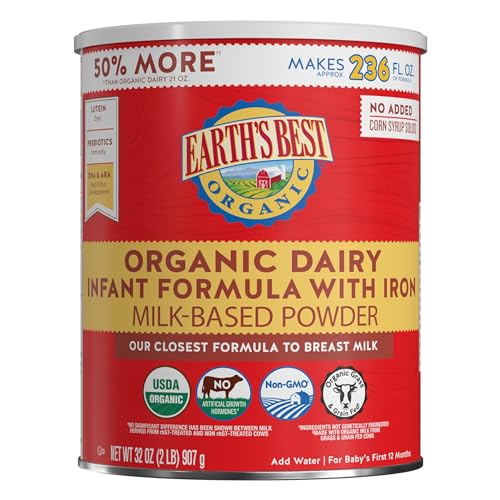
Product overview: Earth’s Best Organic Dairy Infant Formula with Iron provides DHA and ARA to support brain and eye development. The formula emphasizes organic ingredients and aims to align with FDA nutrient requirements for infant nutrition. It is designed as a suitable option for supplementing breastfeeding or serving as a primary source of nutrition during the first year, with guidance typical for infants transitioning toward solid foods.
- Organic dairy with iron
- DHA and ARA for brain and eye development
- Suitable as a supplement or primary source during the first year
Buying Guide: Key Purchase Considerations
Choosing a baby formula involves considering several factors to align with your baby’s needs and family preferences. Below are common considerations to compare across options:
- Dietary restrictions: If dairy is a concern, explore soy-based formulas like Prosobee or other milk-free options. For families aiming for organic ingredients, brands such as ByHeart and Earth’s Best emphasize organic sourcing.
- Digestive support: Look for formulas with prebiotic or probiotic elements designed to support gut health. Five HMOs, or prebiotic blends closer to breast milk, are often associated with improved digestion and immune support.
- Protein base and similarity to breast milk: Some brands emphasize patented protein blends intended to approximate breast milk’s protein profile, which could influence digestibility and nutrition.
- Ready-to-feed vs. powder: Ready-to-feed formulas offer convenience, especially for travel, while powders can be more economical and flexible for daily use.
- Certifications and dietary labels: Non-GMO, kosher, halal, and organic certifications help families meet cultural, religious, or personal values while ensuring nutritional adequacy.
- Allergies and intolerance considerations: For babies with gastrointestinal sensitivity, consult with a pediatrician to determine whether a milk-based, soy-based, or hypoallergenic option is most appropriate.
- Preparation and storage: Follow label instructions for mixing ratios, water quality, and storage to ensure safety and nutrient preservation.
In selecting a formula, caregivers should consult with pediatricians, especially when addressing allergies, intolerances, or growth concerns. Reading labels for ingredient lists, nutrient content, and any added prebiotics or DHA/ARA can help caregivers choose a product that aligns with their baby’s needs and family preferences.