Finding the right finger paints for babies means balancing safety, washability, and creative appeal. This guide highlights five top-rated, non-toxic options designed for little hands and curious minds. Each product prioritizes skin-friendly ingredients, simple cleanup, and vibrant color palettes to support early sensory exploration and hand-eye coordination. Below is a quick summary of the chosen products to help you compare features at a glance.
| Product | Brand | Colors / Size | Key Benefit |
|---|---|---|---|
| ABEIER Washable Finger Paint for Toddlers | ABEIER | 12 colors; 1.21 fl oz each | Safe, non-toxic, washable, vibrant texture |
| Crayola Mess Free Finger Painting Station | Crayola | 3 bottles; 5 oz each + painting sheets | Mess-free design with easy cleanup |
| EXTRIC Washable Finger Paint for Toddlers | EXTRIC | 12 colors; 2 fl oz tubes | Non-toxic, easy cleanup, full spectrum colors |
| Crayola Washable Finger Paints (6ct) | Crayola | 6 colors; 8 oz bottles | Classic, washable, kid-friendly |
| Jar Melo Washable Finger Paints for Toddlers | Jar Melo | 12 colors; 2.1 fl oz each | Generous capacity, non-toxic, easy cleanup |
ABEIER Washable Finger Paint for Toddlers

ABEIER offers a safe, non-toxic finger paint line designed for direct skin contact, adhering to ASTM D-4236 standards. The paints are washable from skin and most surfaces, aiming to minimize fuss during cleanup. The set features 12 bold colors with a creamy texture to encourage tactile exploration and color blending, supporting sensory development and imaginative play. Parents should supervise to avoid ingestion or contact with porous fabrics and wood, which may be harder to clean.
Crayola Mess Free Finger Painting Station

This Crayola set is designed to minimize mess with an easy-clean finger paint case, three 5-ounce bottles, and coated finger painting paper. The unit lid locks to secure paints while enabling simple cleanup under a faucet or dishwasher. It’s ideal for toddlers practicing hand control and color recognition, offering a compact solution for travel or early arts and crafts activities. As with all finger paints, supervise for safe use and avoid complete immersion in water, which can dilute pigments.
EXTRIC Washable Finger Paint for Toddlers

EXTRIC provides 12 vibrant, baby-safe colors in 2 fl oz tubes, designed for sensory play and handprint art. The paints are non-toxic and conform to ASTM D-4236, making them suitable for early childhood use. The formula is described as easy to wash from skin and most surfaces, supporting mess-free creativity. It is recommended to avoid prolonged contact with porous fabrics and wood, as paint may adhere more stubbornly to these materials.
Crayola Washable Finger Paints (6ct)
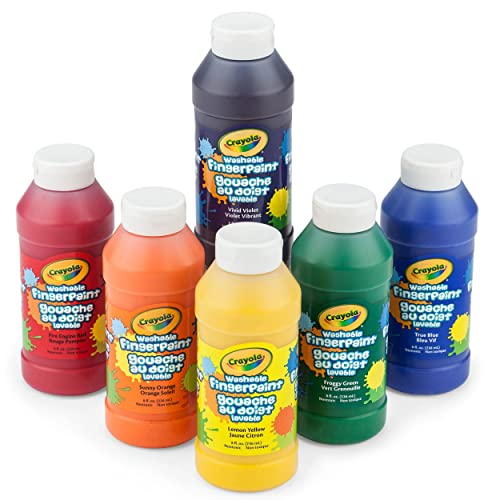
This Crayola set includes six vivid colors in 8-ounce bottles with EZ Squeeze bottles and flip-top caps for easier handling and less mess. The paints wash off skin and most fabrics, making cleanup quick after creative sessions. The color range supports mixing and sensory exploration, but parents should monitor younger children during use to prevent ingestion or contact with eyes.
Jar Melo Washable Finger Paints for Toddlers

Jar Melo’s finger paints emphasize safety with non-toxic pigments and a generous 12-color lineup. Each tube contains 2.1 fl oz, offering ample paint for extended crafting sessions. The brand highlights sensory development through vibrant colors and smooth textures that are easy to wash from skin and most surfaces. As with other finger paints, avoid porous materials where pigment can deeply absorb and become harder to remove.
Jar Melo Washable Finger Paints Powder Kit

Jar Melo also offers a powder-based finger paint option that uses natural vegetable powders with food-grade thickeners. The kit includes mixing tools and everything needed to create paint, with easy cleanup by rinsing. The powder form reduces liquid spillage but requires careful handling to avoid staining porous fabrics and wood. It’s a good alternative for households seeking a more controlled painting experience with minimal liquid waste.
Buying Guide: Key Purchase Considerations For Baby-Safe Finger Paints
Choosing finger paints for babies involves evaluating safety, washability, texture, and value. Consider the following factors to match your child’s age, space, and painting goals.
- Safety and Certification: Look for non-toxic formulas and certifications like ASTM D-4236. Avoid paints with strong chemical odors or irritants.
- Skin-Friendliness: For babies and toddlers, choose creams or gels with gentle textures that won’t dry or irritate sensitive skin. Direct skin contact should feel comfortable and safe.
- Washability: Prioritize paints labeled as washable from skin, fabrics, and surfaces. Set up a dedicated painting area with easy-to-clean surfaces to minimize mess.
- Color Range and Texture: A broad color palette encourages exploration and blending skills. Creamy textures often provide smoother color application for tiny fingers.
- Packaging and Cleanup: Refillable bottles or user-friendly caps reduce spills. Easy cleanup solutions, such as wipes or quick-rinse facilities, help maintain a calmer painting session.
- Age Appropriateness and Supervision: Align products with the child’s age and motor development. Always supervise painting to prevent ingestion or contact with eyes.
- Surface Compatibility: Some paints work best on paper, while others may stain fabrics or wood. Use washable surfaces and consider breathable materials for easier cleaning.
- Allergies and Sensitivities: If a child has skin sensitivities, test a small area before full use and choose fragrance-free options if needed.
- Value and Capacity: More tubes or larger bottles can offer better value, especially for frequent art activities. Balance cost with the number of sessions you expect.
These selections provide options across budget, texture, and color variety while focusing on safety for babies and toddlers. Always verify current packaging and safety notes before use, as formulations may update over time.