Coconut oil is a popular option for baby skin and hair care due to its natural fats and soothing properties. This article highlights five well-regarded coconut oil products that are widely used by families for cradle cap relief, moisturizing delicate skin, and mild hair conditioning. Each pick is evaluated for purity, consistency, and suitability for newborns and infants, with practical usage tips for caregivers.
Summary of Selected Products
| Product | Brand | Format | Key Benefits |
|---|---|---|---|
| Viva Naturals Organic Coconut Oil | Viva Naturals | 16 fl oz, unrefined, cold-pressed | Hair conditioning and scalp nourishment; cooking option |
| Coconut Baby Oil for Hair & Skin Care | Coconut Essentials | 2 fl oz | Cradle cap relief, gentle moisturizer, versatile massage oil |
| Coconut Essentials Coconut Baby Oil | Coconut Essentials | 4 fl oz | Cradle cap relief, all-natural moisturizer, gentle massage oil |
| Kokoso Baby Organic Coconut Oil | Kokoso | 168 g | 100% organic, multipurpose baby skincare, skin-friendly for sensitive baby skin |
| Coconut Essentials Baby Oil (Liquid Coconut Oil) | Coconut Essentials | 6 oz | Fragrance-free, suitable for baby massage and delicate skin |
Viva Naturals Organic Coconut Oil

Viva Naturals Organic Coconut Oil provides a versatile, unrefined option suitable for both skin and hair use, as well as light cooking. The product is cold-pressed and organic, ensuring a natural aroma and flavor profile. For baby care, the oil acts as a gentle moisturizer that helps hydrate dry skin and serves as a mild conditioner for fine baby hair. Its relatively high smoke point supports cooking applications, making it a practical pantry staple for families who want a single product for multiple tasks. When used on babies, apply a small amount to hands and gently massage into the skin to minimize residue and avoid over-use.
Key considerations: Look for organic, cold-pressed oils with minimal processing. This product is free from synthetic additives, aligning with common baby-care preferences for purity. Possible drawbacks include a stronger coconut aroma, which some caregivers may prefer to avoid for newborns with sensitive noses. As with all oils, perform a patch test on a small area of baby skin to rule out irritation before broader use on the face or scalp.
Coconut Baby Oil for Hair & Skin Care

This Coconut Essentials product is a gentle, all-natural blend designed for cradle cap relief and newborn skin care. The formulation combines organic coconut oil with sunflower and grape seed oils to provide hydrating properties while maintaining a lightweight feel on baby skin. It is marketed as suitable for both babies and adults, which can be convenient for families seeking a multipurpose oil for massage and moisturizing. The unscented option reduces the risk of fragrance-related irritants for sensitive skin.
Key considerations: A blend approach can enhance spreadability and absorption, but caregivers should monitor for any irritation in very sensitive newborns. The product’s unscented profile is a plus for babies with sensory sensitivities. For cradle cap management, routine gentle massage and light brushing may help to loosen flakes before washing. As always, perform a patch test and consult with a pediatrician if there are skin conditions such as eczema or dermatitis.
Coconut Essentials Coconut Baby Oil (4 Oz)
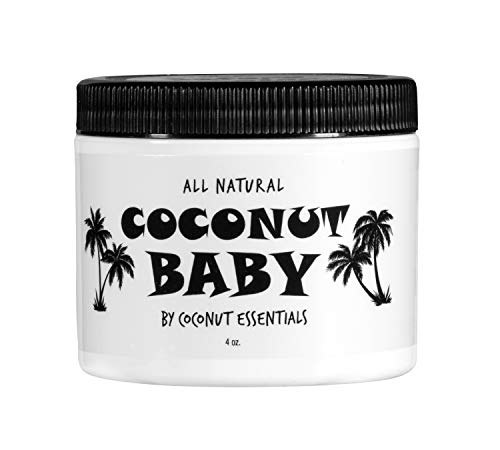
This Coconut Essentials option emphasizes a simple, all-natural moisturizer crafted from coconut, sunflower, and grape seed oils. The combination offers balanced hydration suitable for babies with dry or sensitive skin. It is designed to be gentle enough for daily use and adaptable for cradle cap care through a light scalp massage, followed by gentle cleansing. The unscented formula helps minimize irritants that could affect a newborn’s delicate skin.
Key considerations: The oil’s natural blend supports skin softness without heavy residue. Parents should watch for signs of irritation, especially if the infant has a history of sensitive skin or allergies. This product’s versatility also makes it convenient for massage routines that support bonding and relaxation during routine care.
Kokoso Baby Organic Coconut Oil

Kokoso presents a 100% organic coconut oil crafted specifically for babies. This raw virgin coconut oil is marketed as a multi-use skincare product suitable for baby massage, cradle cap, and general moisturization for sensitive skin. The packaging emphasizes ethical sourcing and cruelty-free production, aligning with family-friendly and natural-care values. The oil’s purity supports its use across different baby care routines, from daily moisturizing to bedtime massage.
Key considerations: While 100% natural, some caregivers prefer fragrance-free options; Kokoso’s product is typically unscented, which is favorable for sensitive infants. For cradle cap management, combine with gentle scalp brushing and a mild shampoo. Always perform a patch test and monitor for any signs of irritation, particularly for newborns with very delicate skin or eczema-prone areas.
Coconut Essentials Baby Oil – Liquid Coconut Oil

This liquid coconut oil from Coconut Essentials provides a lightweight, fragrance-free option ideal for daily baby skin care and gentle massage. Made from fractionated coconut oil, it absorbs quickly without leaving a greasy residue. The product is positioned as suitable for sensitive baby skin and can be used for both infants and adults, which enables shared care routines. Its streamlined formula makes it a practical choice for caregivers seeking a simple, effective moisturizer that works well on the face, body, and scalp.
Key considerations: Fractionated coconut oil tends to have a longer shelf life and a lighter feel than some solid coconut oils, which can be preferable for busy households. Because it is unscented and non-greasy, it is often suitable for cradle cap treatment when used as part of a gentle scalp massage and routine washing. Always start with a small patch test and follow product directions for infant use.
Buying Guide: Key Purchase Considerations
- Purity and processing: Choose oils labeled organic, cold-pressed or unrefined to preserve natural fats and aromas, which support gentle baby care.
- Single-ingredient vs. blends: Pure coconut oil is simple and predictable; blends may offer improved spreadability but could introduce potential allergens or fragrances. For newborns, many parents prefer fragrance-free, single-ingredient products.
- Texture and absorption: Solid/room-temperature coconut oil melts on contact. Fractionated or liquid oils absorb quickly and are convenient for massage or daily moisturization, especially for sensitive skin.
- Intended use: If cradle cap is a primary concern, look for products advertised for scalp care and gentle massage; for general moisturizing, any pure coconut oil is suitable.
- Allergies and sensitivity: While coconut oil is generally safe, patch tests are recommended for newborns with a history of skin sensitivity or eczema. Stop use if redness, itching, or irritation occurs.
- Packaging and storage: Preserve freshness by storing in a cool, dry place away from direct sunlight. Reseal tightly after use to maintain quality.
- Value and versatility: Consider whether you want a larger, multi-use jar or a smaller, travel-friendly option. Some caregivers prefer a product that can handle moisturizing, hair care, and minor massage without needing multiple bottles.
In selecting a coconut oil for baby care, caregivers should prioritize purity, gentle formulation, and a product’s suitability for cradle cap management and delicate skin. The options above provide a range of single-ingredient and blended formulations, along with various sizes to fit different family needs. Always consult with a pediatrician if there are questions about skin conditions or sensitivities before introducing a new product into a baby’s routine.