Parents seeking relief from baby gas and reflux often turn to bottles designed to minimize air ingestion. The following picks focus on anti-colic vents, slow flow systems, and naturalLatch designs to help reduce fussiness during feeds. This guide compares popular options from trusted brands to help you choose the right bottle for a gassy baby.
| Product | Brand | Main Benefit | Type |
|---|---|---|---|
| Philips Avent Anti-Colic Baby Bottle with AirFree Vent 9oz | AVENT | Vent keeps nipple full of milk, reducing air intake | Anti-Colic |
| Philips Avent Anti-Colic Bottle with AirFree Vent 4oz | AVENT | Vent reduces air with upright feeding | Anti-Colic |
| Dr. Brown’s Natural Flow Anti-Colic Options+ Wide-Neck 5 oz | Dr. Brown’s | Internal vent system decreases spit-up, gas | Anti-Colic |
| Dr. Brown’s Natural Flow Anti-Colic Options+ Narrow 4 oz | Dr. Brown’s | Vacuum-free feeding with consistent flow | Anti-Colic |
| Philips Avent Natural Glass 4 oz with Slow Flow | AVENT | Natural pace, glass durability | Natural |
Note: Each product listed below includes features aimed at reducing gas, colic, and reflux. The sections provide quick visuals, key benefits, and how they might fit different feeding styles—from anti-colic vent systems to natural latch designs.
Philips Avent Anti-Colic Bottle with AirFree Vent (9oz)
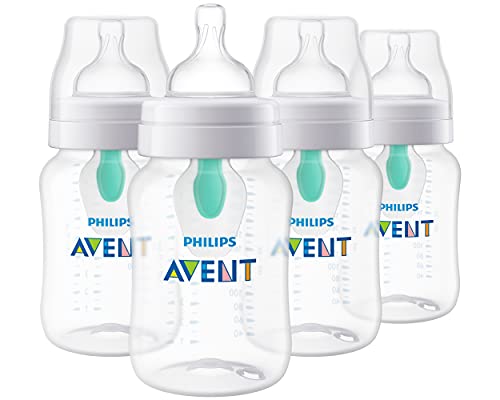
AVENT’s Anti-Colic 9oz bottle features AirFree vent technology designed to keep the nipple full of milk rather than air, which can help reduce gas and colic symptoms. It comes with Flow 2 nipples and is labeled as an award-winning option for gassy babies. The venting system aims to minimize spaces where air can be trapped, supporting calmer feeds and easier digestion over time.
Philips Avent Anti-Colic Bottle with AirFree Vent (4oz)
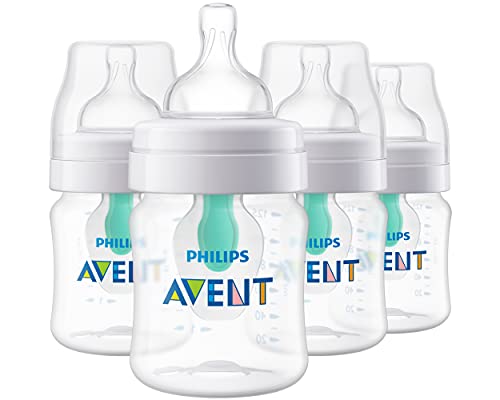
This 4oz size mirrors smaller feed volumes and is designed to keep the nipple full of milk, reducing air intake during upright feeds. The AirFree vent adapts to feeding positions, and the bottle can be used with or without the vent, offering flexibility for parents dealing with colic and gas in babies from birth onward.
Dr. Brown’s Natural Flow Anti-Colic 5 oz Options+
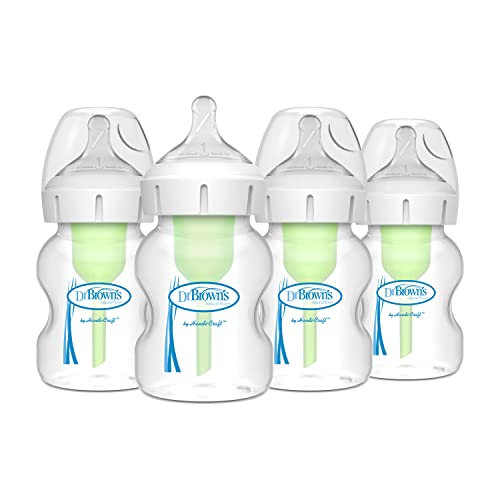
Dr. Brown’s 5 oz Options+ bottle uses an internal vent system clinically proven to reduce colic and gas. It provides a vacuum-free feeding experience that helps babies feed at their own pace, while the vent helps preserve nutrients and supports digestion, potentially improving nighttime sleep for some families.
Dr. Brown’s Natural Flow Anti-Colic 4 oz Narrow

The 4 oz Narrow bottle from Dr. Brown’s features the same anti-colic vent system, designed to reduce spit-up, burping, and gas. It provides a vacuum-free experience with a steady flow, helping babies feed comfortably while preserving nutrients during digestion.
Philips Avent Natural Glass 4 oz (Slow Flow)

The Glass Natural bottle provides a slow-flow option with a responsive nipple design that allows babies to control the pace of milk intake. Made from borosilicate glass, it’s BPA-free and durable for storage and washing, supporting a natural feeding rhythm that can help reduce gulping that leads to gas.
Philips Avent Natural 4 oz (Slow Flow)

This 4 oz Natural bottle by Avent emphasizes a natural pace, with a wide breast-shaped nipple that mimics the feel of breastfeeding. The bottle’s design supports easy transitioning between breast and bottle while offering a flow that accommodates slower feeding to minimize air intake and gas.
Dr. Brown’s 8 oz Anti-Colic Narrow Bottle
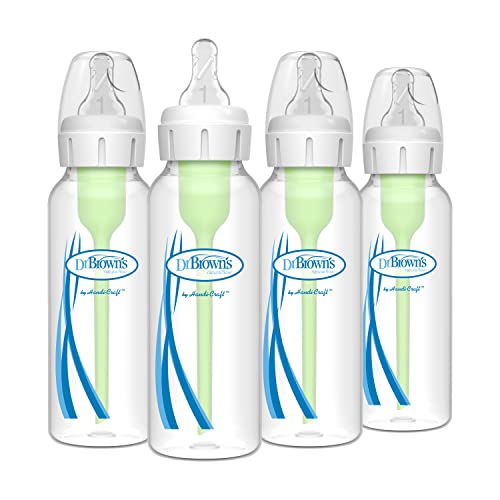
Dr. Brown’s 8 oz bottle extends the anti-colic design to a larger capacity. It features the internal vent system to reduce colic and gas, along with a vacuum-free feeding experience and a consistent flow, preserving nutrients for baby’s digestion and potentially improving sleep quality for some families.
Buying Guide
Key considerations when choosing bottles for a gassy baby include venting mechanisms, flow rates, bottle shape, material, and compatibility with breast-feeding schedules. Here are several perspectives to help you decide.
- Vent Systems: Anti-colic vents reduce air intake. If your baby struggles with gas, look for bottles with internal vents or AirFree-style designs that keep the nipple full of milk rather than air.
- Flow Rate: Slow or Level 1 flow nipples help pace feeding to mimic breastfeeding, reducing gulping and air intake. Consider a bottle with adjustable or compatible slow-flow nipples for growing babies.
- Bottle Material: Glass bottles are durable and non-porous, easy to sterilize, and free of certain plastics. BPA-free plastics are lighter and less prone to breakage, but some families prefer glass for easier cleaning and longevity.
- Cleaning and Assembly: Vented bottles can be a bit more complex to clean. Look for wide necks and simple disassembly if you plan to sterilize regularly.
- Breast-Feeding Compatibility: If you combine breastfeeding with bottle feeding, choose nipples shaped to resemble the breast and offer a natural latch to ease transitions for baby and caregiver.
- Size and Growth: Start with smaller volumes for newborns and consider larger sizes as your baby grows. Some brands offer 0m+ to 6m+ ranges with consistent venting and flow.
Across the options listed, parents may consider starting with a complete anti-colic set for newborns, or a natural/slow-flow glass bottle for babies who latch well to a breastfeeding-like pace. Pairing a bottle with careful feeding positions and paced burping can further support digestion and reduce discomfort associated with gas. Always consult your pediatrician if gas or reflux symptoms persist or worsen.