Clear, kid-friendly hydration solutions that minimize spills are essential for toddlers and preschoolers. This article highlights five reliable water bottles with straws, chosen for durability, leak resistance, and ease of use. The best options range from stainless steel to durable plastic, each suited to different lifestyles—school days, travel, and outdoor adventures. Whether you need a lightweight cup for the backpack or a rugged bottle for car trips, these picks balance safety, simplicity, and cleanability for young kids and their caregivers.
| Product | Capacity | Best For |
|---|---|---|
| THERMOS FUNTAINER Water Bottle with Straw (Bluey) | 12 oz | Daily school use, easy-clean design |
| Zak Designs Kids Water Bottle (Dinosaur) | 16 oz | Active travel and school days |
| Kerilyn 12oz Kids Water Bottle | 12 oz | Durable, leak-proof, casual outings |
| CamelBak Eddy+ Kids Water Bottle | 14 oz | Independent sipping and spill control |
| Owala Kids Insulation Stainless Steel (Lilac Rocket) | 12 oz | Travel and all-day use |
THERMOS FunContainer 12 oz Bluey—Sturdy Stainless Steel
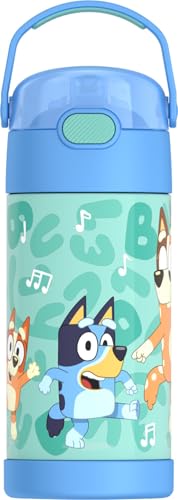
The Thermos FunContainer 12 oz with straw is a kid-friendly stainless steel bottle designed for daily use. It employs vacuum insulation to keep drinks cold up to 12 hours, making it suitable for school lunches and outdoor adventures. The push-button lid and soft-grip carry handle enhance portability and one-handed operation, which is ideal for toddlers learning to drink independently. This bottle is best for younger children who favor a compact, durable cup with a simple opening mechanism. A potential limitation is that it’s not intended for hot liquids, so use it strictly for cold beverages.
Zak Designs Dinosaur 16 oz Water Bottle

This 16-ounce Zak Designs bottle uses break-resistant PP plastic and is BPA-free, making it durable for kids ages 3 and up. The one-handed action lid, flip-up spout cover, and hygienic spout design help minimize leaks and keep surfaces clean. It’s a practical choice for school, travel, and activities where spills are a concern. A limitation to note is that while it is top-rack dishwasher safe, it isn’t microwave-safe, so keep it out of the microwave when cleaning.
Kerilyn 12oz Stainless Steel Kids Bottle

This 12-ounce Kerilyn bottle uses insulated 304 stainless steel to keep drinks cold for up to 24 hours, and hot for up to 12 hours, making it a versatile option for varying weather. It’s BPA-free and leak-proof with a detachable silicone base pad to protect against drops. The lid includes a soft strap and a rotating 180-degree cap, facilitating easy carrying for toddlers. Choose this if you want longer temperature control and a durable, leak-resistant design; be aware that heavier metal bottles can be a bit bulkier for very young toddlers.
CamelBak Eddy+ Kids Bottle With Bite Valve

The CamelBak Eddy+ 14-ounce bottle uses a bite valve straw that supports independent sipping without tipping. It features a leak-resistant design when closed and is designed to resist spills when open, helping protect backpacks and car seats. This bottle is well-suited for kids who are starting to drink on their own and want a steady flow. A potential drawback is that bite-valve components require regular cleaning to prevent buildup—plan for thorough cleaning every few days.
Owala Lilac Rocket 12 oz Insulated Bottle

The Owala 12-ounce insulated tumbler offers a spill-resistant lid and a removable straw for easy cleaning. Its design emphasizes simplicity and convenient cleaning, which is valuable for busy households. The insulation helps maintain beverages at a comfortable temperature for longer, making it a good choice for travel or long trips. A limitation to consider is that some users may prefer a slightly larger capacity for longer outings, though the compact size is ideal for toddlers.
Buying Guide: Key Considerations For Toddler Bottle Selection
- Age and sipping design: For beginners, a bottle with a soft straw and easy-grip lid reduces spills and encourages independent drinking. Progress to bite-valve straws as toddlers gain dexterity.
- Leak-proof performance: Look for a sealed lid, secure spout cover, and a robust seal to minimize leaks during travel and in backpacks.
- Durability and materials: Stainless steel bottles offer temperature control and durability, while BPA-free plastic bottles provide lighter weight and lower cost. Consider the child’s activities and likelihood of drops.
- Cleaning ease: Removable straws, wide mouths, and dishwasher compatibility simplify cleaning. Regular cleaning prevents mold and odor buildup.
- Insulation and temperature retention: If keeping drinks cold for school days or outdoor activities matters, prioritize insulated models with proven cold retention.
- Weight and capacity: Choose a size that fits a child’s grip and daily water needs. Smaller bottles reduce effort for toddlers, while larger ones serve longer outings.
- Care and maintenance: Some designs require more frequent disassembly for cleaning. Weigh maintenance needs against convenience for your family routine.
Practical comparison questions
- Is the bottle truly leak-proof when the lid is closed? If not, it may not be ideal for backpacks.
- Can the straw be removed for thorough cleaning? Removable straws help with hygiene and longevity.
- Is the bottle light enough for a toddler to carry independently? Weight affects kid-friendly use.
- Does the bottle fit in standard stroller cup holders or lunchboxes? Size compatibility matters for travel.
Care and maintenance tips
- Disassemble straws and lids regularly and wash with warm, soapy water.
- Rinse thoroughly to prevent soap residue affecting taste.
- Avoid placing metal bottles in the microwave and follow dishwasher recommendations.
Frequently Asked Questions
- Q: Are stainless steel bottles safer than plastic for toddlers? A: Stainless steel is durable and often free from BPA, but plastic bottles can be lighter; choose BPA-free options and ensure child-friendly lids.
- Q: How often should I replace a toddler bottle? A: Replace when seals wear out, leaks persist, or the bottle shows cracks or warping.
- Q: What capacity is best for toddlers? A: 12 to 14 ounces is typically a good balance of weight and hydration needs for toddlers and preschoolers.
- Q: Can these bottles go in the dishwasher? A: Many are dishwasher-safe on the top rack; check the product’s cleaning instructions and remove parts to avoid damage.
- Q: Are straw bottles easier for toddlers to use than spout-only designs? A: Straw bottles support independent sipping and often reduce spills, though some toddlers prefer spouts or bite valves for control.
- Q: Should I choose insulated bottles for toddlers? A: Insulation helps keep drinks cooler longer, which is beneficial for outdoor activities and school days.