Direct answer: these toddler beds are designed for easy crib-to-big-kaby transitions, with safety rails and standard crib mattress compatibility. They suit parents seeking low-height, accessible sleep spaces for children around ages 1–3 to 7. The top picks balance safety, durability, and ease of setup, catering to families that want a simple transition, budget-friendly options, and durable designs for active toddlers.
Summary table of selected products:
| Product | Best For | Key Benefit | Notes |
|---|---|---|---|
| COSYSUPER Toddler Bed | Soft, snug sleepers; ages 1–7 | Soft design with removable guard rails | Pink; fabric bed with safety rails |
| Delta Children Canton Toddler Bed | Budget-friendly, sturdy basics | Low-to-the-ground, sturdy wood | Greenguard Gold certified |
| weeonekids Toddler Bed | Soft, padded safety; standard crib size | High-quality foam fill; removable safety rails | Gray; foam-filled comfort |
| Delta Children Disney Minnie Mouse Plastic Toddler Bed | Kids who love Disney; easy transitions | Guardrails; standard crib mattress support | Plastic and steel frame |
| CAPAKIDDO Toddler Bed | Transition bed with velvet finish | Padded foam with soft velvet upholstery | Pink; solid wood with reinforced slats |
COSYSUPER Toddler Bed Overview
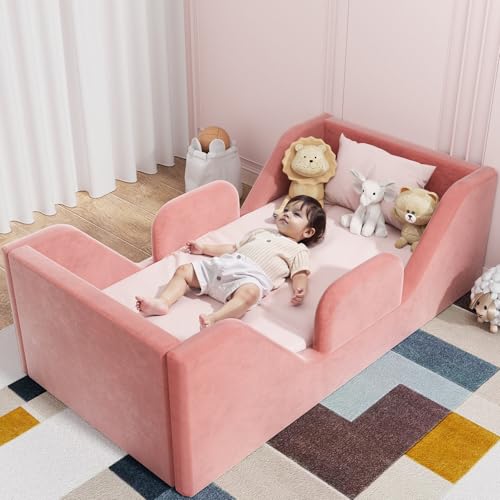
This bed is designed for ages 1 to 7, offering a soft, elegant look with a wide guard rail setup for extra safety. The primary audience is parents seeking a cushioned, calming sleep space for toddlers who need a gentle transition from crib to big bed. The bed’s two removable guard rails help prevent falls, making it suitable for active sleepers. A potential limitation is that it uses a fabric surface, which may require additional care to keep clean in high-use households.
Delta Canton Toddler Bed Overview
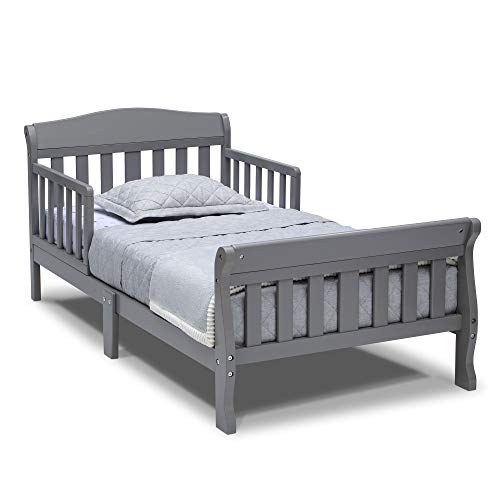
Best for budget-conscious families who want a low-to-the-ground option with sturdy wood construction. It’s JPMA certified and designed to fit a full-size crib mattress (mattress not included), aiding a straightforward swap from crib to toddler bed. The main caution is that it requires a standard crib mattress size, so owners should confirm mattress compatibility before purchase.
weeonekids Toddler Bed Overview

Designed for children ages 18 months to 7 years, this bed uses a standard crib-size mattress with foam-filled padding. It’s best for parents seeking a soft, cushioned sleeping surface and built-in safety rails. A limitation is the mattress size mismatch note: you’ll need to supply a standard crib mattress for proper fit.
Delta Disney Minnie Toddler Bed Overview

Best for Disney-loving toddlers ages 15 months and up who need guardrails and a familiar motif. It supports a standard crib mattress sold separately. The built-in guardrails offer security for new big-kid bed transitions. Note that the design uses plastic components alongside a steel frame, which may influence durability depending on usage.
CAPAKIDDO Velvet Toddler Bed Overview

Best for a soft, premium look and a secure transition from crib to bed. The velvet upholstery adds a cozy touch, while solid wood construction with reinforced slats supports active toddlers. Choose this if you want a more stylish finish; avoid if you need a low-cost, ultra-minimalist option as this may be pricier and require more care to maintain the fabric finish.
Buying Guide: Key Considerations for Toddler Beds
What age range should you target? Most toddler beds are designed for children from about 1 to 7 years old, but verify a bed’s recommended age and weight limits before buying. Low-to-the-ground designs simplify entry and exit for early walkers, while guardrails reduce nighttime falls.
Which mattress size is compatible? Many toddler beds use standard crib mattresses, which helps reuse an existing crib mattress. Some models require a full-size crib mattress or a specific foam insert. Always confirm mattress dimensions and thickness to avoid gaps or instability.
What safety features matter? Look for sturdy guardrails, non-toxic finishes, and solid construction. JPMA or GREENGUARD Gold certifications indicate compliance with safety standards. Removable rails offer flexibility as your child grows, but ensure rails are securely attached when in use.
Material and maintenance considerations: Wooden frames tend to be durable and easier to clean, while fabric-filled beds provide a softer feel but may require spot cleaning. Plastic components are lightweight but check for long-term sturdiness. Consider whether you’ll need to replace or wash textiles regularly.
Assembly and longevity: Choose beds with clear instructions and labeled parts for faster setup. A sturdy frame with 12+ reinforced slats typically indicates durability for several years of use. If you anticipate frequent room redecorations, consider a design that remains appealing across a few years.
Frequently Asked Questions
- What is the best age to switch from a crib to a toddler bed? Most children can transition around 18 months to 3 years, depending on mobility, sleep needs, and crib safety. Look for low height and guardrails for safety.
- Do toddler beds require a special mattress? Many are designed to use standard crib mattresses, which helps reuse existing bedding. Always verify mattress size and thickness before purchasing.
- Are fabric-covered toddler beds safe? Fabric beds can be safe if the cover is non-toxic, removable for cleaning, and the frame is solid. Removable rails are useful, but ensure secure installation during sleep.
- What certifications should I look for? JPMA and GREENGUARD Gold certifications indicate compliance with safety and low-emission standards, which helps ensure safer materials for children.
- How long will a toddler bed typically last? Depending on growth and bed design, most toddler beds can accommodate children from ages 1 to 5 or 6, sometimes beyond, with adjustable rails or a design that transitions to a small bed for older toddlers.
- Is it better to choose a wooden or plastic frame? Wood generally offers greater durability and a classic look; plastic models can be lighter and easier to move but may wear faster with active toddlers. Your choice should align with budget, space, and maintenance preferences.