Want a reliable toddler hiking backpack that keeps your child secure and comfortable on trails? This guide highlights five top options ideal for American families who hike with toddlers. Each choice targets different needs—max comfort, lightweight design, big storage, or easy sharing between caregivers. Read on to compare who each carrier is best for and why they stand out for hikes, parks, and day trips. A quick buying table below helps you pick at a glance.
| Product | Best For | Key Benefit |
|---|---|---|
| Besrey Baby Backpack Carrier (Black) | Active parents seeking safety and storage | Five-point harness, sunshade, large pockets |
| Besrey Baby Backpack Carrier (Army Green) | Durability-minded hikers | Detachable sunshade, foldable frame |
| Osprey Poco SLT | Lightweight, frequent travelers | Minimalist frame, easy folding, adjustable fit |
| Beco Toddler Carrier | Backpacking comfort with multiple positions | Breathable mesh, versatile carry modes |
| ClevrPlus Cross Country | Value-focused hikers needing space | One-piece frame, ample storage |
Buying decisions often hinge on how well a carrier fits your body, how long you can hike before fatigue sets in, and how much gear you can tuck away. The products below are organized to help you compare safety, comfort, and practicality at a glance. Each section notes who the carrier is best for and why it stands out, plus a simple caveat when relevant.
Besrey Black Toddler Hiking Backpack Carrier

This carrier emphasizes safety and comfort for everyday trail outings. It features a detachable sunshade to shield from sun, wind, or rain, plus a washable drool pad for easy cleaning. The design includes a five-point seat belt with soft materials and flexible straps to keep the toddler securely seated while exploring. A practical foldable frame and ample pockets add to its outdoor-readiness. Best for hikers who want strong safety elements without sacrificing storage capacity. Caution: bulkier frames may feel heavier on longer trails.
Besrey Army Green Toddler Hiking Backpack Carrier

This version mirrors the black model’s safety emphasis with a detachable sunshade and a washable drool pad. It also provides 5-point belts and adjustable straps for a snug fit as the child grows. Pick this if you’re planning variable weather conditions and want a durable, go-anywhere carrier with generous storage pockets. Limitation: the foldable frame may require a moment to set up in rugged terrain.
Osprey Poco SLT Lightweight Carrier

This is a minimalist, travel-friendly option designed for daily errands and family hikes. It folds flat for easy transport, which is ideal for travelers and registries. The integrated backpanel and slim frame offer comfort without bulk. Best for parents who need a light, quick-to-deploy carrier that can adapt to multiple wearers with a wide torso adjustment range. Caution: may have fewer large storage pockets compared to bulkier models.
Beco Toddler Carrier With Breathable Mesh

This carrier supports toddlers from roughly 24 to 48 months and offers two carry positions: front-carry and backpack-style. The breathable microfiber and 3D mesh promote airflow on hot days, keeping both parent and child cooler. It’s best for parents who value versatility and breathable fabrics. Caution: weight distribution can feel different when switching between carry positions, so adjust straps carefully.
ClevrPlus Cross Country Carrier
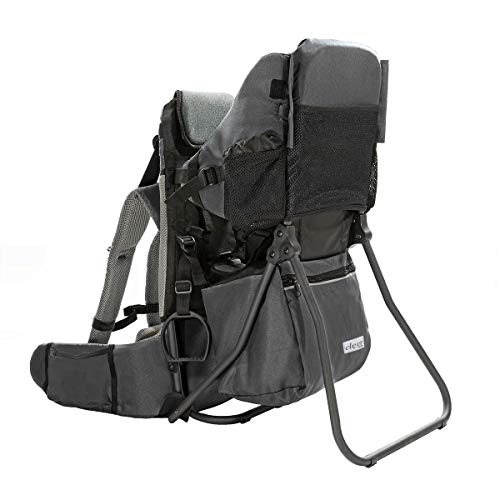
Selected for its robust design and large storage capability, this carrier features a one-piece frame for sturdiness and safety, plus a 5-point seat belt system. It includes a changing pad and multiple compartments for supplies such as bottles, diapers, and extra clothing. It’s best for families who plan long hikes or weekends away where extra gear is essential. Caution: the setup might feel heavier than ultralight options, and assembly is simplified by the one-piece frame design.
Buying Guide: How To Choose The Right Toddler Hiking Carrier
What exactly should you look for when selecting a hiking carrier for a toddler? Consider safety features first: a secure 5-point harness, sturdy frame, and stable footrests. Comfort matters for both child and adult: padded shoulder straps, a well-cushioned hip belt, and breathable fabrics reduce fatigue on longer trips. Fit is crucial: ensure torso length adjustability and that the carrier accommodates different wearers if you hike with a partner or babysitter.
Storage and organization are practical factors. Look for multiple pockets, a reachable water bottle sleeve, and a dedicated space for a changing pad or baby gear. Weather readiness is another key element: detachable sunshades or rain hoods protect against sun, wind, and rain while keeping the child comfortable. Foldability or compact storage is ideal for travelers or hikers with limited vehicle space.
Weight and portability can influence your choice depending on trail length. Ultra-light carriers minimize fatigue but may offer less storage. Heavier models often provide more features and bigger storage pockets. If you hike with different caregivers, prioritize adjustable fit and easy conversion between front-carry and backpack modes. For frequent day trips, a carrier with a quick setup and reliable durability offers the best long-term value.
Practical questions to guide your decision
- Who will carry the child most often, and will the carrier be shared among caregivers?
- How long are typical hikes, and is reduced back strain a priority?
- Do you need large storage for gear like bottles, diapers, and clothes?
- What weather conditions are most common on your trails?
- Is a folding or compact design important for travel or storage?
FAQ
- Are toddler hiking carriers safe for all terrains?
Most carriers provide safety harnesses and padded seating, but you should avoid very rough terrain if your child is restless or the carrier lacks secure footrests.
- Can a carrier be used for newborns?
Most listed options target toddlers (roughly 24 months and up). Check product specs for age and weight ranges before use with younger infants.
- How important is torso adjustment?
Torso adjustment ensures even weight distribution and comfort for different wearers across the same family.
- Should I choose a foldable frame or a solid frame?
Foldable frames are travel-friendly; solid frames can offer more stability on rugged trails. Consider your typical hiking environment.
- What about rain or sun protection?
Detachable sunshades and rain hoods help protect the child from elements and can improve comfort on variable days.
- Is storage capacity a deciding factor?
Yes. If you carry gear, snacks, extra clothing, and changing supplies, a carrier with ample pockets and a diaper-ready area is beneficial.