Answering the question “which stage 1 vegetables are best for my baby?” this guide highlights five top-stage 1 vegetable options designed for babies who can sit with help or support and are ready to start solids. Each option is chosen for ease of use, nutrition, and suitability for on-the-go meals. Best for new eaters, toddlers transitioning to finger foods, or parents seeking simple, trusted vegetable varieties.
| Product | Best For |
|---|---|
| Gerber Stage 1 Veggie Variety Pack Puree Tubs | On-the-go meals, variety in one pack |
| Gerber Stage 1 Peas Puree Tubs | Peas as a gentle introduction |
| Gerber My First Fruits & Veggies Starter Kit | Intro to multiple flavors with guided steps |
| Gerber 1st Fruits Starter Kit (Banana, Pear & Apple) | Balanced fruit-vegetable starter options |
| Gerber Stage 1 Organic Butternut Squash Jar | Organic option with single-vegetable focus |
Gerber Stage 1 Veggie Variety Pack Puree Tubs

Best for: Parents seeking a convenient, mixed-vegetable option. These Stage 1 tubs are designed for babies who can sit with help and are starting solids, making it easy to expose little eaters to a variety of vegetables in one purchase. The on-the-go packaging supports busy schedules, and the blend emphasizes wholesome ingredients with strict quality standards.
Limitations: Tubs are portioned for quick meals, but may not suit babies who prefer single-vegetable tastings first. Consider pairing with additional single-vegetable options if needed.
Gerber Stage 1 Peas Puree Tubs

Best for: Parents easing a baby into solids with a gentle, single-vegetable option. Pea puree offers a mild flavor and smooth texture, aligning well with stage 1 feeding goals. The no-added-salt and no artificial colors or flavors claim supports parents seeking straightforward ingredients.
Limitation: Some babies may respond to the natural sweetness of peas; if so, try mashing with a tiny amount of water or breast milk to reach a thinner consistency.
Gerber My First Fruits and Veggies Starter Kit

Best for: Families wanting a guided introduction to both fruits and vegetables. This starter kit includes trial-size tubs to check for sensitivities and gradually expand to more Gerber options. It’s a practical bridge from purees to mixed flavors as feeding skills grow.
Limitation: The kit is a sampler; buyers should monitor portion sizes and introduce new flavors gradually to observe tolerance in sensitive babies.
Gerber 1st Fruits Starter Kit, Banana, Pear & Apple Puree

Best for: Families seeking a quick, portable set of stage 1 fruit-vegetable combos to expand early tastes. Although primarily fruit-focused, this kit complements vegetable introductions by offering a range of textures and flavors available in stage 1 formats.
Limitation: Not a pure vegetable-focused option; use alongside single-vegetable purées to ensure a balanced vegetable introduction.
Gerber Stage 1 Sweet Potato Puree Tub

Best for: Tasting sweet potato as a first vegetable. This tub has added vitamin values and a familiar, comforting flavor profile for babies transitioning to solid foods. It’s a single-vegetable option that pairs well with cereals or grains.
Limitation: Some babies may prefer more neutral flavors; consider mixing with other purees to diversify taste profiles gradually.
Gerber Stage 1 Butternut Squash Puree Tub
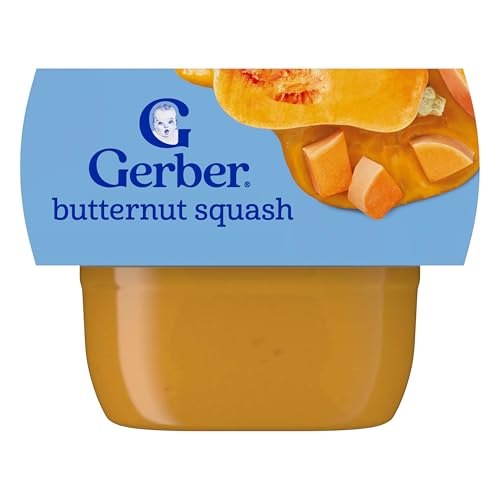
Best for: Butternut squash lovers who prefer a smooth, sweet vegetable puree. The tub format supports busy schedules and provides a reliable source of vitamin A and potassium. Choose this if you want a single-vegetable option with a mild, natural sweetness.
Limitation: Some babies may require additional texture; consider mashing with a tiny amount of water or breast milk to adjust thickness.
Gerber Stage 1 Carrot Puree Tubs

Best for: Carrot puree as a vibrant, nutrient-rich option with a strong vitamin A profile. This tub is an accessible choice for moms and dads seeking a familiar veggie flavor with easy, on-the-go packaging. It’s ideal for introducing bright, slightly sweet flavors and soft textures.
Limitation: Carrot purity can cause staining due to bright pigments; keep wipes handy during feeding sessions.
Buying Guide: How To Choose Stage 1 Vegetable Purées
- Ingredient clarity: Look for tubs or jars with simple ingredient lists, no added salt or artificial colors. This helps reduce processing and supports first-food safety goals.
- Texture and spoonability: Decide whether your baby prefers smooth purée or slightly thicker textures. Start with very smooth textures and gradually increase thickness as your baby progresses.
- Portability vs. variety: On-the-go families may favor tubs for portability, while households wanting variety might prefer sampler kits to test multiple flavors.
- Allergens and sensitivities: Introduce one new vegetable at a time, and monitor for reactions. Start with common stage 1 options like peas, carrots, or butternut squash.
- Organic vs. conventional: If avoiding pesticides is a priority, consider organic options. Organic stage 1 jars or tubs are available in several single-vegetable varieties.
- Feeding routine: Align puree offerings with mealtime routines—offer a consistent time window to support development of appetite cues and self-feeding skills.
Frequently Asked Questions
- What is stage 1 baby food?
Stage 1 foods are designed for babies who can sit with assistance and are beginning solids. They are smooth purées with gentle textures.
- When should I introduce vegetables to my baby?
Most babies begin vegetables around 6 months, after breast milk or formula as the primary nutrition source, following pediatric guidance.
- Are there added salts in stage 1 purées?
Many stage 1 options advertise no added salt, but always check the label to confirm ingredient details for your baby’s needs.
- How can I introduce new vegetables safely?
Introduce one new vegetable at a time and monitor for signs of intolerance, such as unusual fussiness or rashes, for several days.
- Should I choose organic stage 1 purées?
Organic options exist and can be preferred by families seeking fewer pesticides. It’s a personal choice based on safety, budget, and availability.
- Can I mix stage 1 purées with cereals?
Yes, you can blend purées with infant cereals to adjust texture and add iron-rich grains as feeding progresses.