Answering the search for reliable, easy-to-use sippy cups for special needs children, this guide highlights five top picks chosen for durability, spill control, and supportive design. Each option is described with who it suits best, its key features, and any practical limitations to consider. This selection covers varied needs—from grip-friendly designs for small hands to sip-and-learn styles that promote independence.
| Product | Best For | Why It Stands Out |
|---|---|---|
| Tommee Tippee Insulated Sporty Spout | Toddlers learning to drink, spill-prone kids | Two-piece valve, bite-resistant spout, double-wall insulation |
| The First Years Squeeze & Sip | Young toddlers starting straw drinking | Squeezable training with valve-controlled flow |
| Reflo Smart Cup Bundle | Transition from bottles, developing sipping skills | 360° rim, slow-flow, valve-free design |
| Nuby Clik-It No-Spill Cup | Infants to toddlers needing easy grip | Soft spout, built-in valve, easy-to-hold handles |
| Cornucopia Brands Honey Bear Straw Cups | Oral-motor therapy or straw introduction | Flexible straws, therapy-friendly design |
Tommee Tippee Insulated Sporty Spout
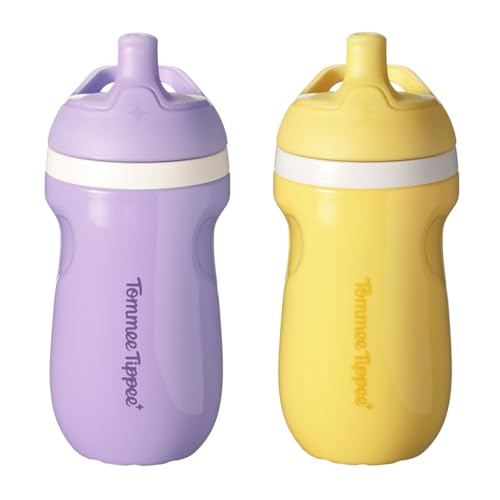
Best for: toddlers who need spill control with a familiar, bite-friendly spout. The two-piece valve detaches for easier cleaning and free-flow drinking, while the bite-resistant spout protects little mouths as they practice sipping. The double-wall insulation helps keep drinks cooler, encouraging regular hydration for kids who may resist fluids in warm environments.
Why selected: This cup combines a spill-proof design with a durable mouthpiece and simple valve maintenance, making it suitable for kids who require predictable flow and easy cleaning. The insulated body is practical for extended outings and hot or cold beverages alike.
Limitations: Some children may prefer a different mouthfeel; if free-flow drinking is required, you may need to remove the valve and monitor flow to prevent leaks.
The First Years Squeeze & Sip
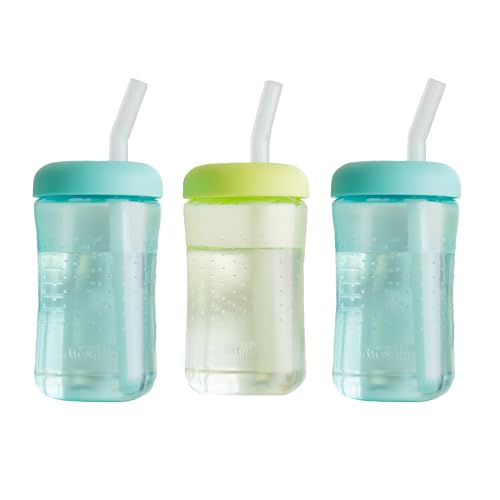
Best for: very young toddlers learning to sip with minimal mess. The squeeze-and-sip design uses a silicone straw with a valve to limit flow, helping beginners manage intake without spillage. It remains comfortable for little hands and supports ongoing use as drinking skills develop.
Why selected: The valve-controlled flow mimics natural drinking and reduces overwhelm for children new to sippy cups. It also transitions nicely into daily use after the training phase.
Limitations: The sipper may be less spill-proof when players squeeze aggressively; colors may vary, which matters for sensory preferences or routine cues.
Reflo Smart Cup Bundle (Blue)

Best for: toddlers transitioning from bottles who need a controlled but open-cup feel. The 360° rim design supports steady flow from any side, and the slow-flow mechanism teaches sipping without overwhelming the child or creating a suction dependency.
Why selected: The spoutless, valve-free concept promotes natural oral development while giving kids real control during meals. It’s especially suited for pedriatician-recommended approaches focusing on independent sipping.
Limitations: Slow flow means it isn’t completely spill-proof; it’s intended to reduce spills rather than eliminate them in all situations.
Nuby Clik-It No-Spill Cup

Best for: infants and toddlers needing a soft, forgiving spout and easy handling. The No-Spill design uses a silicone spout with a valve that opens only when sipping, helping to minimize mess while supporting independent use with built-in handles.
Why selected: The Clik-It mechanism and contoured base provide a comfortable grip for small hands, while the soft spout is gentle on gums during teething or early sipping.
Limitations: Some caregivers report that the valve can wear with heavy use; be prepared to inspect the valve periodically for wear and tear.
Cornucopia Honey Bear Straw Cups

Best for: therapy-oriented use, especially oral placement therapy or straw introduction. The flexible straw and squeezable design support tongue training while promoting independent drinking skills.
Why selected: This set focuses on practical therapy benefits with a leak-resistant design and a kid-friendly character motif that can help with sensory engagement during practice sessions.
Limitations: Not designed for ultra-fast sipping; designed as a gradual tool to aid straw drinking and coordination development.
Buying Guide
What matters most for special needs sippy cups?
Durability, spill control, and a design that supports independent use are crucial. Look for items with easy-to-clean components, BPA-free materials, and mouthpieces that are gentle on sensitive mouths or teething gums.
How do I choose by stage?
For beginners, opt for soft spouts and controlled flow until sipping becomes confident. For transition to straw drinking, consider models with flexible straws and valve mechanisms that teach without creating a suction habit.
Materials and safety considerations
Choose BPA-free, food-safe plastics or safer alternative materials. Check that components are sturdy and dishwasher-safe if possible. For therapy use, look for products with minimal small parts to avoid choking hazards and ease of cleaning.
Portability and ease of use
Look for cups with stable bases, wide-mouth designs for quick cleaning, and handles or grips that children can manage. Insulation is a plus for extended outings and hot climates.
Care and maintenance tips
- Disassemble cups completely before washing to clean valves and spouts.
- Inspect seals and valves regularly for wear and tear.
- Air-dry all parts to prevent mold growth in hard-to-reach areas.
FAQ
- What is the best sippy cup for a child who spills often? The Tommee Tippee Sporty Spout and Nuby Clik-It No-Spill Cup are designed to minimize spills with valve-assisted flow and snap-on lids.
- Are open-cup or 360-degree rim cups better for development? Open VR-style rims like Reflo’s 360° rim support natural sipping and can aid oral development when supervised.
- When should I switch from bottle training cups to regular sippy cups? Transition gradually as your child shows readiness for independent sipping, typically between 12–24 months depending on development.
- Do these cups suit therapy goals? Yes, several models offer features aligned with therapy objectives, such as controlled flow, straw introduction, and easy-grip designs.
- Are all these cups dishwasher-safe? Many are, but always check manufacturer instructions for proper cleaning to preserve seals and valves.