Slow flow nipple shields are designed to support latch, comfort, and milk transfer when breastfeeding presents challenges. This guide highlights five top options, explaining who each is best for and why it stands out. Whether you’re addressing flat or inverted nipples, sore skin, or latching difficulties, these shields help maintain feeding while you find your preferred fit.
Buyer summary table:
| Product | Best For | Key Benefit | Size |
|---|---|---|---|
| Medela Contact Nipple Shields | Moms with latching discomfort | Skin-friendly, ultra-thin silicone with unique cut-out for skin contact | 20mm |
| Lansinoh Contact Nipple Shields | Moms needing latching support | Ultra-soft silicone with skin-to-skin cut-out | 20mm |
| MAM Nipple Shields | Moms seeking natural-feeling shield | Ultra-thin, SkinSoft surface for warmth and scent transfer | 20mm |
| Momcozy Nipple Shield | Moms with flat or inverted nipples | Flower-shaped surface for better skin contact | 20mm |
| CheriBaby Nipple Shield | First-time users seeking varied sizes | 100% silicone, multiple size options | 20mm |
Medela Contact Nipple Shields, Medium 20mm

Medela’s Contact Nipple Shields are designed to support breastfeeding when latching is difficult or causes discomfort. The shield’s unique shape includes a cut-out area for the baby to smell mom’s scent, enhancing skin-to-skin bonding during feeds. The shields are made from ultra-thin, flexible, food-grade silicone, which is gentle on sore or cracked skin. This option is best for mothers who want a shield that prioritizes skin contact while keeping a slim profile for easier latch attempts. A potential limitation is that some babies may require a broader base to encourage a secure latch in the early days.
Lansinoh Contact Nipple Shields
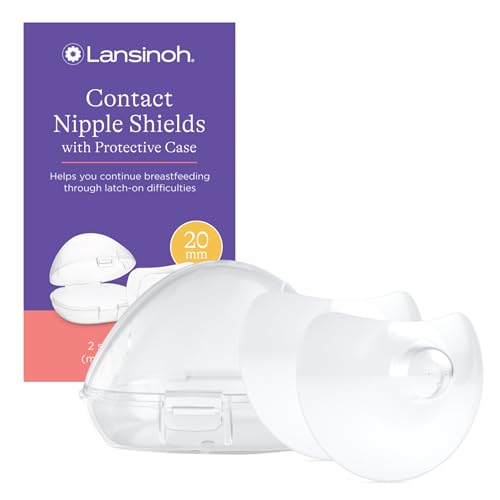
Lansinoh shields are ultra-soft, ultra-thin, and designed to maximize skin-to-skin contact with a unique cut-out that helps baby feel warmth and scent. This design supports smoother latch attempts for mothers experiencing sensitivity or minor latch issues. The shield is suitable for sensitive nipples and can be a good choice for first-time shield users who want a familiar brand with a focus on comfort. A consideration is that some users may prefer more pronounced channel visibility, depending on feeding style.
MAM Nipple Shields for Breastfeeding Medium 20mm

MAM shields emphasize a SkinSoft surface designed for a natural-feeling latch. The ultra-thin silicone material supports comfort while enabling babies to sense warmth and your skin, contributing to a calmer feeding experience. The 20mm size is commonly a good fit for many mothers, and the shield often ships with a sterilizing case for easy on-the-go cleaning. If you need a slightly sturdier shield for irregular latch patterns, you might consider alternatives with more pronounced structural support.
CheriBaby Nipple Shield, 20mm

CheriBaby offers a 20mm shield made from 100% food-grade silicone, BPA/BPS-free, available in a pair with a carrying case. The soft silicone is designed to be gentle on both mom and baby, and the size assortment makes it easier to find a comfortable fit. This option is well-suited for new users who want straightforward sizing and easy cleaning. A potential limitation is that some babies may latch more easily with textured surfaces or slightly different shield shapes, depending on individual feeding dynamics.
Momcozy Nipple Shield, Floral 20mm

Momcozy shields feature a flower-shaped surface designed to maximize skin contact and reduce edge roll-off. The shield’s larger coverage surface helps with breast tissue exposure for babies that need a wider contact area. Available in multiple sizes (including 20mm), this option is good for moms who want better fit customization. A caveat is that the larger surface could feel bulkier for extremely sensitive nipples, so fitting is important.
Additional Product Options and Quick Notes
- Elfzone Nipple Shields offer a two-pack with a focus on ease of cleaning and general comfort. Consider this if you want a simple, budget-friendly option.
- YIYEE shields emphasize updated base design for improved hold and skin contact. If latch difficulties are persistent, this can be a viable alternative to explore.
- Always check the size options beyond 20mm if you know your nipple measurement, as a snug fit improves effectiveness and comfort.
Buying Guide: How to Choose the Right Slow Flow Nipple Shield
What should you consider before buying?
- Size and fit: Most brands offer 17mm, 20mm, and 24mm options. Correct sizing improves latch and reduces nipple discomfort. Measure your nipple diameter when erect to choose the nearest size.
- Material and safety: Look for 100% food-grade silicone, BPA-free and BPS-free materials. A soft, flexible shield reduces irritation and supports skin-to-skin contact.
- Design features: Shields with a cut-out or petal shape can enhance baby’s ability to feel warmth and scent, encouraging latch. Some shields include visible milk flow channels for reassurance during feeds.
- Skin contact vs. isolation: A shield that maximizes skin-to-skin contact can help with bonding and latch stability, but some babies latch easier with less surface area. Assess your baby’s responsiveness to texture and scent transfer.
- Sterilization and portability: Shields that come with a sterilizing case or are easy to clean can be preferable for daily use, especially when traveling.
- Consistency and availability: Consider brands with reliable availability and consistent sizing options in multiple sets to accommodate ongoing breastfeeding needs.
Frequently Asked Questions
- Do nipple shields affect milk supply?
- Can a shield help with inverted nipples?
- Is there a best shield for sore nipples?
- How do I know which size to choose?
- Can I use a shield with expressed milk or bottle feeding?
Most shields do not directly affect milk production. They are designed to aid latch and comfort, which can support regular feeding sessions.
Yes, many shields are designed to address inverted nipples by providing a supportive base that helps the baby latch more effectively.
Shields with ultra-thin silicone and skin-to-skin cut-outs are typically recommended for sore or cracked nipples to minimize friction while maintaining bonding.
Measure your nipple diameter when erect and compare with the shield’s listed size. If in between sizes, start with the smaller size and assess comfort and latch.
Shields are commonly used during direct breastfeeding. For bottle transitions, some moms find shields helpful for a smoother changeover, but check with a healthcare professional if you have concerns about bottle compatibility.