If you’re searching for slow-flow bottle nipples for newborns, this guide helps you choose nipples that support comfortable feeding and reduce colic. The picks here suit premature babies, babies with feeding difficulties, or parents seeking a nipple that mimics breastfeeding pace. Below, you’ll see five carefully chosen options, each with clear benefits and practical trade-offs. A quick reference table summarizes key details to compare side by side.
| Product | Best For | Notable Benefit | Potential Limitation |
|---|---|---|---|
| Dr. Brown’s Natural Flow Preemie Flow Nipples | Premature or feeding-difficulty babies | Very slow flow with anti-colic vent | May require more effort for faster feeders |
| Dr. Brown’s Level 1 Slow Flow Nipples | Newborns transitioning to regular feeding | Consistent slow flow with anti-colic vent | Some babies accept faster alternatives later |
| Dr. Brown’s Level T Narrow Nipples | Newborns needing ultra-slow pace or NICU-style feeding | Designed for hospital-grade feeding support | May be slower than typical newborn nipples |
| MAM Extra Slow Flow Nipples | Newborns who tolerate skin-like feel | Skin Soft silicone with anti-colic airflow | Newborns vary in nipple acceptance |
| Lansinoh NaturalWave Extra Slow Flow Nipples | Babies needing comfortable latch and reduced air intake | Wide base, AVS air flow minimizes air intake | May feel firmer for ultra-soft nipple lovers |
Dr. Brown’s Natural Flow Preemie Flow Narrow Nipple

Designed for premature babies or those with feeding difficulties, this nipple delivers the slowest flow in Dr. Brown’s line. It features an anti-colic internal vent to help reduce spit-up, burping, and gas, creating a calmer feeding experience. Use this when the baby needs the gentlest pace and a vacuum-free feeding that mirrors breastfeeding.
Best for parents who need to support very gradual milk intake and want a clinically proven anti-colic solution. If your infant feeds more easily with a slower pace, this is a strong choice. Caution: the ultra-slow flow can be too restrictive for babies who quickly adapt to faster pacing.
Dr. Brown’s Level 1 Slow Flow Nipple
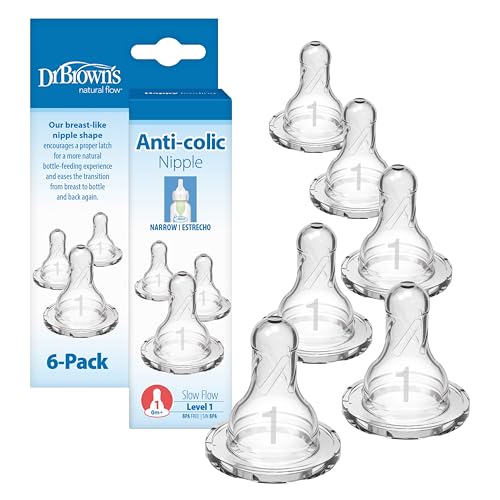
The Level 1 nipple is a newborn-friendly option featuring an anti-colic vent system and a consistent slow flow. This nipple is commonly chosen for babies who require a gentle pace as they establish feeding patterns. It supports vacuum-free feeding that aligns with typical breastfeeding rhythms.
Best for newborns easing into bottle feeding with a gentle flow. If your infant outgrows this pace, you can explore level T or other options. Caution: some babies may prefer either a quicker or slower flow as they develop.
Dr. Brown’s Level T Narrow Nipple

The Level T Narrow Nipple serves babies who require a slower flow than Level 1, or those transitioning from the Preemie Flow nipple. It is trusted by neonatal professionals for feeding difficulties and features an anti-colic vent system for reduced spit-up and gas.
Best for hospitals or homes where a hospital-grade approach helps maintain a calm feeding. Use this if your baby has strong feeding cues but needs persistence at a slower pace. Caution: for some infants, the extreme slow flow can delay full feeding if not monitored closely.
MAM Extra Slow Flow Nipples

These nipples deliver a slow and steady pace with a focus on comfort. The SkinSoft silicone mimics mom’s skin, which may improve acceptance among newborns. Anti-colic airflow helps reduce gas and spit-up as babies feed at their natural pace.
Best for newborns who respond well to a skin-like feel and require gentle pacing. If your baby accepts this nipple, it can be a reliable long-term option. Caution: some babies may prefer faster flows as they grow or when fed in different positions.
Lansinoh NaturalWave Extra Slow Flow Nipples
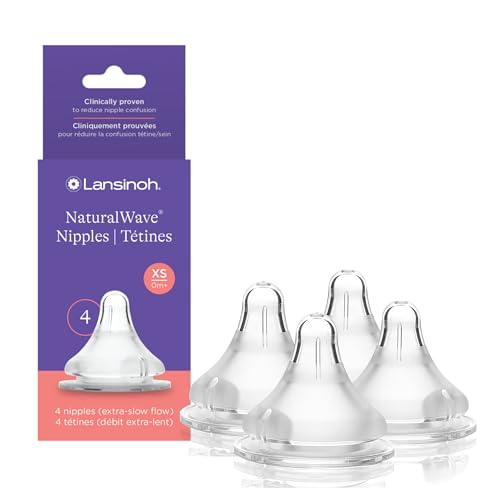
Designed to support baby-led feeding, the Wide base and gentle base texture help with secure latching. The nipple compresses and stretches with sucking, helping maintain a steady milk flow. The AVS air ventilation system minimizes air intake to reduce colic and gas.
Best for babies needing both a natural latch feel and effective airflow to minimize discomfort. If your baby is sensitive to air, this nipple’s venting can be particularly beneficial. Limitation: some babies may require adjustment to the wider nipple base.
Buying Guide: Key Purchase Considerations
- Flow speed and baby needs: Start with the slowest flow for premature or struggling feeders, then consider moving up if pace becomes too slow.
- Anti-colic venting: An internal vent can reduce spit-up and gas by stabilizing airflow during feeding.
- Material and cleaning: 100% silicone nipples are common; ensure compatibility with your bottles and ease of cleaning.
- Latch comfort: A nipple with a skin-like texture or wide base can aid in secure latch and comfortable feeding.
- Professional guidance: For babies with feeding difficulties, consult a pediatrician or NICU guidelines when selecting nipples.
Frequently Asked Questions
- What is a slow-flow nipple best for? – It is best for newborns, premature babies, or infants who have difficulty feeding with faster flows.
- Do slow-flow nipples prevent colic? – Anti-colic venting can help reduce gas and spit-up, though it may not eliminate colic in all cases.
- How do I choose the right nipple size? – Start with the slowest flow designed for newborns and observe feeding pace, latch, and comfort.
- Can I switch between brands? – Yes, but ensure the nipple fits your bottle brand and size to avoid leaks or poor flow.
- When should I move to a faster flow? – Move up if the baby consistently pauses or seems unsatisfied, otherwise stay at slow flow until feeding becomes smoother.
- Are hospital-grade nipples necessary? – Not for all babies, but Level T and similar options are used for intensive care scenarios and feeding difficulties.