Answering the question for fast, comfortable feeding: these slow flow baby bottles are designed to regulate milk flow, reduce air intake, and support comfortable latch for newborns and babies with feeding challenges. They’re best for parents seeking anti-colic options, preemies, or babies transitioning from breast to bottle. Below, five carefully chosen bottles are explained with who they’re best for, plus a quick comparison table to help you choose quickly.
| Product | |||
|---|---|---|---|
| Dr. Brown’s Natural Flow Anti-Colic Options+ Narrow 4 oz | 4 oz, Level 1 Slow Flow | Newborns and babies with reflux or gas; parents seeking nutrient preservation | Includes anti-colic internal vent system |
| Philips Avent Natural Slow Flow 4 oz (4-pack) | 4 oz, Slow Flow 2 | Regular bottle feedings with breast-like latch needs | Natural Response nipple; milk flow only when baby drinks |
| Lansinoh Anti-Colic 5 oz Slow Flow (3-pack) | 5 oz, Slow Flow Nipples | Newborns needing gentle pacing and reduced air intake | Air ventilation helps limit gas |
| MAM 4.5 oz Easy Start Anti-Colic | 4.5 oz, Extra Slow Flow | Preemies and newborns needing extra slow, breast-like flow | SkinSoft nipple; vented base to minimize bubbles |
| Tommee Tippee Natural Start Anti-Colic 9 oz | 9 oz, Slow Flow Nipple | Babies needing a natural latch and easy transition between bottle and breast | Self-sterilizing option; anti-colic valve |
Dr. Brown’s Natural Flow Anti-Colic Options+ Narrow 4 oz Bottle

Features: Anti-Colic internal vent system reduces spit-up, burping, and gas; vacuum-free feeding supports a feeding pace closer to breastfeeding; silicone nipples provide a consistent flow and help preserve nutrients for better digestion and sleep.
Best for: Newborns and babies experiencing gas or spit-up, or parents who want a bottle that preserves nutrients and fosters a steady feeding pace.
Caution: Some users report the vent system adds assembly steps and cleaning complexity; ensure proper assembly to maintain vent performance.
Philips Avent Natural Slow Flow 4 oz Bottles (4-Pack)

Features: Natural bottle supports a baby’s natural drinking rhythm; flow is released only when baby actively drinks, aiding pauses for swallowing and breathing; wide, breast-shaped nipple mimics natural feel of breastfeeding.
Best for: Parents combining breastfeeding with bottle feeding; babies who benefit from a natural latch and an intuitive flow.
Caution: The “only when drinking” mechanism depends on baby’s condition—if a baby drinks slowly, milk delivery might feel slower than expected.
Lansinoh Anti-Colic 5 oz Slow Flow Bottles (3-Pack)

Features: BPA-free plastic; ultra-soft silicone nipples with a wide slope that adapts to baby’s mouth; clinically proven anti-colic ventilation helps limit air intake during feeding.
Best for: Newborns who require a comfortable latch and reduced gas; parents seeking a durable, easy-to-clean bottle option.
Caution: Plastic bottles may require more frequent replacement than glass options to maintain integrity over time.
MAM Easy Start Anti-Colic 4.5 oz Bottle
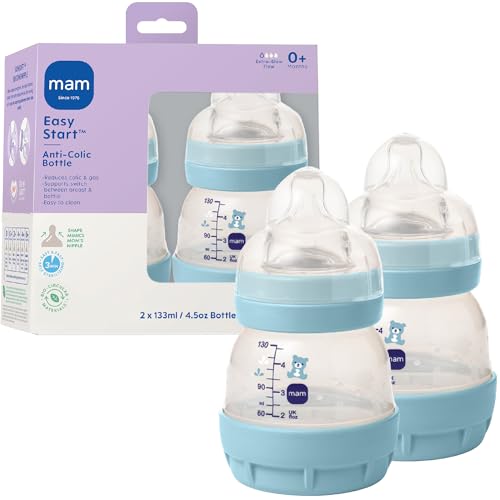
Features: Anti-Colic venting system reduces air intake; extra slow SkinSoft nipple imitates mom’s nipple feel; designed for preemies, newborns, and mixed feeding, reducing air bubbles and gas.
Best for: Preemies or newborns needing slow feeding with a breast-like latch; parents seeking easy cleaning and a gentle option for sensitive tummies.
Caution: The extra-slow nipple may make feeding noticeably slower for very hungry babies.
Philips Avent Anti-Colic Bottle with AirFree Vent (Slow Flow)

Features: AirFree vent keeps the nipple full of milk instead of air, reducing feeding issues like gas and reflux; designed to feed upright with milk present in the nipple, and can be used with or without AirFree.
Best for: Parents dealing with colic or gas; babies who benefit from an upright feeding position and consistent milk delivery.
Caution: Availability may vary; some users may prefer other vented designs for independent nipple airflow control.
Tommee Tippee Natural Start Anti-Colic 9 oz Bottle

Features: Anti-colic valve with a silicone nipple designed for natural latch; Self-sterilizing feature; designed for seamless transition between bottle and breast; leakproof when assembled tightly.
Best for: Families seeking a simple transition between bottle and breast with a reliable anti-colic design; larger 9 oz capacity for longer feeds between refills.
Caution: Some babies may take longer to adjust to the nipple shape; check compatibility with baby’s latch and preference.
Buying Guide: Key Considerations For Slow Flow Bottles
- Flow rate alignment: Choose a bottle with a flow that matches your baby’s age and feeding style. Newborns typically benefit from extra slow or slow flow nipples, while older babies may tolerate standard slow flow.
- Ventilation and gas reduction: Vent systems can reduce air intake and gas, but parts require cleaning and maintenance. Consider ease of cleaning and reliability of the vent.
- Nipple design and latch: A breast-like nipple can ease transitions between breast and bottle. Look for nipples that support a natural latch and minimize nipple confusion.
- Material and cleaning: BPA-free plastic is common and durable, but some parents prefer glass or silicone. Check dishwasher compatibility and sterilization options.
- Size and capacity: Start with smaller bottles for newborns and plan for growth. Some bottles offer multiple nipple options in sets to cover several stages.
- Ease of use: Some bottles offer anti-colic features with more parts and longer setup times. Balance ease of use with potential benefits for gas reduction.
- Cleaning frequency: Bottles with vent systems require more thorough cleaning to prevent residue buildup. Consider whether you have time for extra cleaning steps.
- Transition compatibility: If you plan to continue breastfeeding, choose bottles that support an easy transition between bottle and breast.
Frequently Asked Questions
- What is slow flow in baby bottles?
Slow flow refers to nipples designed to release milk at a gentler pace, helping babies control feeding and reducing swallowing air.
- Which bottle is best for a newborn with reflux?
Bottles with anti-colic vents and extra slow flows, such as Dr. Brown’s or Lansinoh options, are commonly chosen to reduce gas and spit-up.
- Are vented bottles harder to clean?
Yes, vented designs often have more parts, which require careful cleaning to prevent residue and ensure proper function.
- Can I switch between bottle brands as my baby grows?
Yes, but introduce new nipples gradually to avoid nipple confusion and monitor your baby’s response to flow changes.
- Is a larger bottle necessary for slow flow?
Not always; starting with smaller bottles is common, then move to larger sizes as feeding duration and appetite increase.
- Do all slow-flow bottles work with breastfed babies?
Most are designed to assist with both bottle and breast feeding, but nipple shape and latch can influence acceptance.