Answering the need for bottles that mimic breastfeeding pace, these slow-feed options are ideal for newborns, preemies, and little ones learning to latch. The top picks are best for parents seeking a comfortable feeding rhythm, reduced gas, and easier pace control. Each product below is selected for its natural flow, venting design, and nipple feel that helps babies feed at their own pace. The buyer’s guide at the end covers key differences to help you choose confidently.
| Product | Brand | Why It Stands Out |
|---|---|---|
| Philips Avent Natural Baby Bottles with Natural Response Nipples | Philips Avent | Breast-like nipple, flow 2, smart milk release synced with baby’s drinking |
| MAM 4.5oz Easy Start Anti-Colic+ Wide Neck | MAM | Vented base reduces air intake, extra slow nipple for preemies & newborns |
| Lansinoh Anti-Colic Baby Bottles | Lansinoh | Air ventilation system helps limit gas, comfortable latch |
| NUK Perfect Match Natural + Anti-Colic | NUK | Breast-like nipple adapts to baby’s mouth, softer silicone |
| Dr. Brown’s Natural Flow Anti-Colic Options+ | Dr. Brown’s | Internal vent system reduces colic, maintains nutrients |
Note: All five selections below emphasize slow, controlled milk flow, baby-led pacing, and reduced air intake. Choose based on your baby’s age, latch ability, and whether you prefer venting technology or a breastfeeding-like nipple shape.
Philips Avent Natural Slow-Flow Bottle

Features include a natural response nipple that supports a baby’s feeding rhythm, releasing milk only when the baby actively drinks. The wide, breast-shaped nipple mimics the feel of breastfeeding and helps with easy transitions between breast and bottle. Best for: babies who benefit from a nipple that resembles mom’s breast and for parents seeking a natural pacing experience. Limitation: some babies may take time to adjust to the unique nipple opening.
MAM Easy Start Anti-Colic Bottle (Extra Slow Flow)
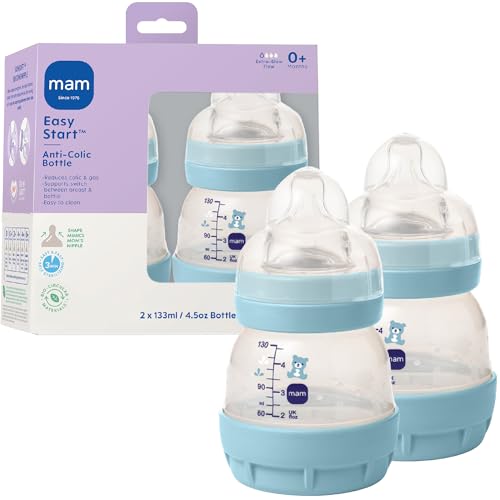
Best for: newborns and preemies needing extra gentle pacing. It features an engineered vented base to reduce air intake, paired with a SkinSoft nipple that supports feeding at baby’s own pace. The anti-colic design helps minimize gas and discomfort. Caution: some babies may require a different flow nipple as they grow.
Lansinoh Anti-Colic Bottle (5 oz, 3 Count)

Best for: parents seeking a clinically supported anti-colic system with a wide, gentle latch. The vented nipple design helps minimize gas and fussiness, supporting a gradual and comfortable feeding pace. Limitation: some caregivers may prefer glass or BPA-free materials for longer-term use, though these bottles are BPA-free. Choose this if gas reduction is a priority and you want a nipple that flexes with baby’s sucking.
NUK Perfect Match Natural + Anti-Colic

Best for: parents seeking a breast-like nipple with high softness and flexible latch. The 2x softer nipple helps adapt to baby’s mouth, supporting a natural latch and controlled flow. Caution: Some babies may prefer a firmer or firmer nipple as they grow; assess growth and tolerance over time.
Dr. Brown’s Natural Flow Anti-Colic Options+

Best for: parents needing consistent flow with venting support to preserve nutrients and reduce spit-up. The internal vent system helps keep milk near the nipple, encouraging a steady feeding pace. Limitation: assembly can be more involved due to the venting components; follow the included instructions for proper use.
Buying Guide: How To Choose A Slow-Feed Baby Bottle
- What’s your baby’s age and feeding style? Newborns and preemies often benefit from extra-slow nipples and venting to minimize gulping and gas.
- What supply materials do you prefer? BPA-free plastics are common; some parents prefer glass or different plastic variants for ease of cleaning or durability.
- Flow control: Do you need a strictly slow-flow solution or a bottle that can adapt as your baby grows? Nipple softness and base venting influence flow pace.
- Vent system importance: Internal vents reduce air intake and gas, while external systems may offer simpler cleaning. Consider whether you prioritize gas reduction or ease of cleaning.
- Latch and nipple design: A breast-like nipple can ease transitions between breast and bottle but requires proper latching technique. A wider base can help lip latch but may require more cleaning effort.
- Cleaning and maintenance: Some bottles have more components. If you want quick cleaning, prefer fewer parts with a reliable lavage design.
Frequently Asked Questions
- What makes a bottle “slow flow”?
– Slow flow bottles have nipples designed to release milk gradually, often with venting to reduce air intake and to mimic breastfeeding pace. - Are slow-feed bottles good for gas and reflux?
– Many slow-flow bottles with venting can reduce air swallowed during feeds, which may lessen gas and reflux symptoms in some babies. - Should I choose a bottle with a breast-like nipple?
– A breast-like nipple can help with latch and transition between breast and bottle, especially for younger babies learning to feed from a bottle. - Do slow-feed bottles affect nutrient preservation?
– Venting systems can help maintain milk quality by reducing bubbles and gas, potentially aiding digestion; check individual product claims for details. - How many bottles should I own for slow feeding?
– A practical approach is to have 2–4 bottles of your preferred style to rotate during cleaning and to accommodate daily feeding schedules. - Can I use these bottles for pumped milk?
– Yes, these bottles are typically compatible with expressed milk and are designed for bottle-fed babies, including those who bottle-feed exclusively or mix with breastfeeding.