Looking for sippy cups that mimic bottle use while staying leak-free? This guide highlights five top options that ease the switch from bottle to cup for toddlers, with features designed to protect gums, prevent spills, and support little hands. Ideal buyers include parents teaching independent drinking, caregivers seeking durable on-the-go cups, and families wanting BPA-free choices. Below you’ll find quick pros, who each cup suits best, plus a practical buying table to compare essentials at a glance.
| Product | Best For | Key Benefit |
|---|---|---|
| NUK Active Sippy Cup (Timeless Collection, 2 Pack) | Transitioning toddlers | Spill-proof spout with clean-spout cover |
| Tommee Tippee Sporty Bottle (3-Pack) | Active toddlers | Two-piece valve stops spills; easy-to-hold design |
| NUK Active Sippy Cup Disney Cars (2 Pack) | Kids who love Disney | Lightweight, spill-proof transition cup |
| NUK Learner Cup Pooh Bear (2 Pack) | Growing toddlers | Easy-grip handles; gentle, spill-proof spout |
| Nuby No-Spill Grip N’ Sip Cup | Spill-prone beginners | Clik-It lid with soft spout; built-in Valve |
NUK Active Sippy Cup, Timeless Collection
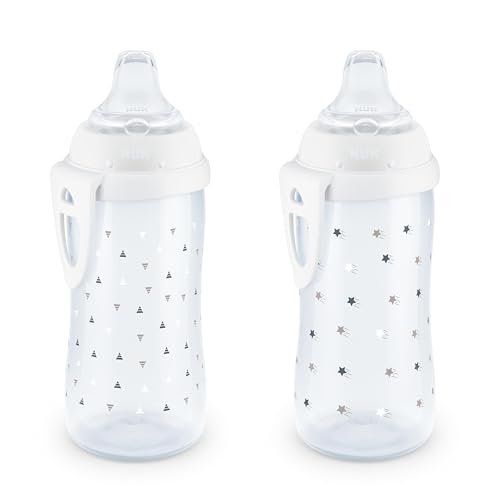
Brand: NUK. 10 oz, 2 pack. Features a spill-proof spout designed to be gentle on gums and a cover to keep the spout clean. Best for parents shipping transitions at home or on the go. This option is well-suited for toddlers ages 12 months and up who need a reliable, easy-to-clean cup that reduces messes. Caution: spout cover can be removed for cleaning; ensure it is reattached before use to maintain spill protection.
Tommee Tippee Sporty Bottle, 10 oz (3-Pack)

Brand: Tommee Tippee. Pack of 3; 10 oz each. Spill-proof valve helps minimize messes, while the bite-resistant, soft spout is gentle on little mouths. The easy-hold design supports toddlers learning to drink independently. Choose this if you want multiple cups for daycare or family use; avoid if your child prefers a narrower mouthpiece. Note: valve includes detachable parts—clean thoroughly to maintain performance.
NUK Active Sippy Cup, Disney Cars

Brand: NUK. 10 oz, 2 pack. Supports a smooth transition from bottle or breast to a cup with a lightweight design and a spill-proof spout. The included carrying clip adds on-the-go convenience. Best for little Disney fans who want a recognizable character on their cup. Caution: ensure the clip is properly secured to avoid dropped cups during travel.
NUK Learner Cup Pooh Bear

Brand: NUK. 10 oz, 2 pack. Features easy-grip anti-slip handles that are removable, facilitating growth as the child matures. Spill-proof soft spout teaches sipping while protecting gums. Best for toddlers who are starting to hold cups independently. Limitation: handles are removable, so ensure they are reattached properly for stability.
Nuby 3 Piece No-Spill Grip N’ Sip Cup

Brand: Nuby. 10 oz capacity with Clik-It locking lid and soft spout. Its Touch-Flo valve opens only when sipping, which minimizes spills. Ergonomic handles and a contoured base aid little hands in gripping. Best for spill-prone toddlers learning to drink. Caution: valve assembly requires proper alignment to seal; misalignment can trigger leaks.
Munchkin Gentle Transition Sippy Cup

Brand: Munchkin. 10 oz. Leak-proof design aids transition from bottle to cup, with removable anti-slip handles and BPA-free materials. Durable and easy to clean, suitable for toddlers 9 months and up. Best for households needing a simple, reliable transition cup. Limitation: may not be as spill-proof for very aggressive sippers as some two-piece valve designs.
Buying Guide
What should you look for in a sippy cup?
Spill-proof design and valve quality are crucial for preventing messes. Look for soft spouts gentle on gums and handles that fit small hands. If you need portability, a lightweight, clip-on accessory helps keep cups handy.
Transition support
Choose cups marketed for smooth transitions from bottle to cup; features like anti-slip handles, easy-grip shapes, and two-piece valves can accelerate learning without frustrated spills.
Materials and safety
Opt for BPA-free plastics or other baby-safe materials. Verify dishwasher compatibility for easy cleaning, and check that lids or spouts are easy to assemble and disassemble for thorough cleaning.
Durability and on-the-go use
For busy families, consider cups with durable exteriors, secure lids, and optional carrying clips. On-the-go readiness often hinges on lightweight design and reliable leak prevention during transport.
Size and age appropriateness
Most 10 oz cups suit toddlers around 12 months and older. If your child is younger, look for cups with softer spouts and larger grips to support early independence.
Practical tips
- Rotate two cups to avoid constant washing while others dry.
- Mark cups with your child’s name to reduce mix-ups.
- Always test the seal after washing before use to ensure spill protection.
FAQ
- What is the best sippy cup for a child who leaks often?
- Look for cups with a reliable two-piece valve and a soft spout. Models with Clik-It or similar leak-prevention features tend to perform well.
- Is a larger cup better for toddlers?
- Greater capacity reduces the number of refills, but ensure the cup remains easy to hold and not too heavy when full.
- When should I switch from bottle to cup?
- Most toddlers transition around 12 months; start with a cup that resembles a bottle in shape and feel to ease the change.
- Are Disney-branded cups worth it?
- Character-themed cups can enhance engagement for some children, making the transition more enjoyable without affecting performance.
- How do I clean sippy cups effectively?
- Disassemble valves and spouts and wash parts separately with warm, soapy water or run through a dishwasher if approved by the manufacturer.