When a baby shows signs of fussiness, gas, or upset tummies, choosing an organic sensitive baby formula can help support digestion and comfort. This guide spotlights five trusted organic options designed for newborns to 12 months, highlighting who each formula is best for, plus practical buying notes. The featured products emphasize easy digestion, iron fortification, and brain and eye development nutrients like DHA and ARA. The top picks range from reduced-lactose to A2-based formulas, helping caregivers pick the right match for sensitive bellies.
| Product | Best For | Key Benefit |
|---|---|---|
| Earth’s Best Organic Sensitivity Infant Formula (32 oz) | Infants with upset tummies seeking reduced lactose | Reduced lactose with iron, lutein, DHA/ARA |
| Earth’s Best Organic Sensitivity Infant Formula (21 oz) | Smaller households needing a compact can | Reduced lactose, iron, DHA/ARA |
| Baby’s Only A2 Organic Milk Infant Formula (21 oz, 6 pack) | Infants who benefit from A2 beta-casein | A2 milk base, easy-to-digest fat blend |
| Bobbie Organic Gentle Baby Formula (14.1 oz) | Breast-mfed-alternative reliance with gentle proteins | Smaller protein profile, lactose-based |
| Happy Baby Organics Stage 1 (22.9 oz) | Infants needing probiotics and prebiotics | Probiotics, prebiotics, A2 option in some formulas |
Earth’s Best Organic Sensitivity Infant Formula 32 Oz
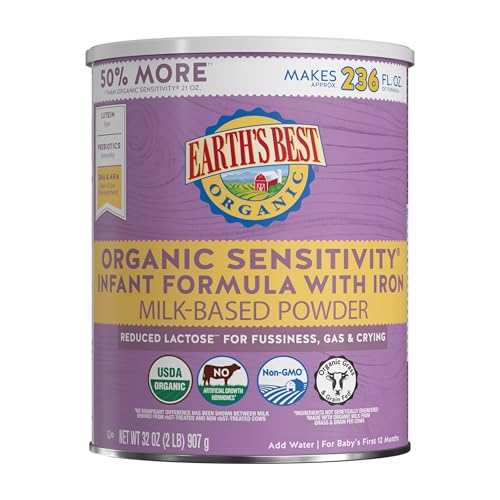
Best for households needing a larger supply with reduced lactose and added DHA/ARA. This formula is designed for babies 0-12 months and includes lutein and prebiotics to support overall defenses and development. Best for caregivers prioritizing organic dairy from grass- and grain-fed cows and a straightforward preparation routine. Caution: lactose is reduced but not eliminated; verify your baby’s tolerance and consult a pediatrician if symptoms persist.
Earth’s Best Organic Sensitivity Infant Formula 21 oz
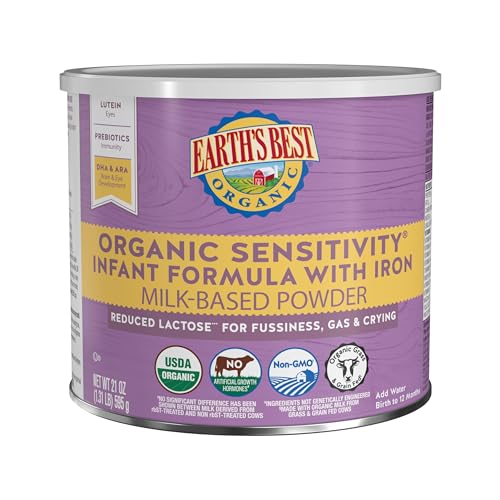
Choose this if you want a smaller can while still getting reduced lactose, iron, DHA, and ARA for brain and eye development. It’s Easy Prep with clear water-to-formula ratios, delivering approximately 155 fl. oz. of prepared formula when correctly diluted. Best for infants who tolerate gentle formulas but need ongoing sensitivity support; limitation: smaller can means more frequent replacements for growing babies.
Baby’s Only A2 Organic Milk Infant Formula 21 oz (6 Pack)

Selected for babies who respond well to A2 beta-casein. This organic A2-based formula features a proprietary fat blend to aid digestion and a clean ingredient list—no corn syrup, palm oil, GMOs, artificial colors, or growth hormones. Best for infants with sensitive digestion who need a milk-based formula that aligns more closely with human milk. Caution: A2 sourcing relies on specific cows; availability may vary by batch.
Bobbie Organic Gentle Baby Formula

Best for caregivers seeking a gentle, lactose-like option with iron, DHA, and vitamin D. The formula emphasizes smaller milk proteins to ease digestion, resembling breast milk’s lactose profile. It’s USDA organic and Clean Label certified, aligning with strict organic standards. Limitation: Some infants may still require evaluation if digestive symptoms persist beyond initial adjustments.
Happy Baby Organics Stage 1 With Probiotics

Best for babies needing immune and digestive support from a formula with probiotics and prebiotics. This option combines an organic base with a patented probiotic-prebiotic blend to promote softer, more regular stools and gut health closer to breastfed infants. Choose this if your infant benefits from added gut-support nutrients; caution: some babies may require gradual introduction to probiotics to avoid temporary discomfort.
Happy Baby Organics Stage 1 With Probiotics (Alternative)

Another Stage 1 option focusing on probiotics and prebiotics to support gut bacteria and immune development. Best for babies who respond well to formulas designed to mimic breast milk’s digestive environment. Limitation: As with any formula with added probiotics, monitor for any unusual reaction and consult a pediatrician if symptoms arise.
Buying Guide
- Organic certification and sourcing. Look for USDA Organic labeling and ingredients sourced from grass- and grain-fed cows when possible. Organic labels can indicate fewer artificial additives.
- Digestive needs. Reduced lactose, A2 milk, or gentle proteins can help babies with gas or fussiness. Match the formula type to the baby’s tolerance history.
- Nutritional basics. Ensure iron fortification, DHA and ARA for brain and eye development, lutein, and prebiotics. These nutrients are commonly emphasized in sensitive formulas.
- Feeding plan. Consider container size and preparation routine. Ready-to-use or easy dilution formulas reduce preparation errors for caregivers.
- Family needs. Larger cans save time for busy households; smaller cans reduce waste for babies who transition to solids or other formulas.
- Allergies and sensitivities. If a baby has known allergies or persistent symptoms, consult a pediatrician before switching formulas.
FAQ
- What defines a sensitive baby formula? Formulas labeled as sensitive typically have reduced lactose, gentler proteins, or A2 milk to ease digestion and reduce gas or fussiness.
- Is organic necessary for sensitive formulas? Organic labeling ensures ingredients meet certain standards, but the most critical factor is a baby’s tolerance and pediatric guidance.
- Can I use a sensitive formula as the only formula? Yes, for many babies it can be used as the primary formula, but follow the manufacturer’s directions and pediatrician’s guidance.
- Do these formulas contain DHA and ARA? Most listed options include DHA and ARA to support brain and eye development; check the specific product label for details.
- How do I know which formula is right for my baby? Consider lactose tolerance, digestion history, feeding volume, and any physician recommendations. Start with the option that aligns with the baby’s needs and monitor closely.
- What if symptoms persist after switching formulas? Contact a pediatrician. Ongoing symptoms may indicate an intolerance, allergy, or another issue requiring professional evaluation.