Finding an organic, gentle infant formula that supports digestibility and infant development is a common concern for parents and caregivers. This guide highlights five formulas that are well-suited for babies who benefit from a softer, milk-based option. Each product notes who it’s best for and includes a practical caution. The focus is on organic, gentle, and easy-to-digest formulas to help you compare quickly. Perfect for parents seeking cleaner ingredients and trusted nutrition for the first year of life.
The quick reference below helps you compare at a glance. All products are described with the buyer in mind, emphasizing digestive comfort, iron provision, and compatibility with breastfeeding plans.
| Product | Best For | Key Benefit |
|---|---|---|
| Earth’s Best Organic Gentle Infant Formula with Iron | Babies needing balanced iron-fortified formula | Easy-to-digest proteins with DHA/ARA and lutein |
| Bobbie Organic Gentle Baby Formula | Families seeking lactose-forward, gentle digestion | 100% lactose like breast milk; clean organic label |
| Baby’s Only A2 Organic Milk Infant Formula | Infants benefiting from A2 beta-casein proteins | A2 milk for potentially gentler digestion |
| Earth’s Best Organic Sensitivity Infant Formula | Babies with fussiness or gassiness | Reduced lactose formula with iron and DHA/ARA |
| Happy Baby Organics Stage 1 Formula | Infants needing probiotic-friendly, organic option | Probiotics and prebiotics with DHA for brain/eye support |
Earth’s Best Organic Gentle Infant Formula with Iron

Best for caregivers seeking a complete, iron-fortified organic option. This formula uses organic milk from grass and grain-fed cows and includes lutein, prebiotics, DHA, and ARA to support defenses, brain, and eye development. Its protein profile is designed to be easier on sensitive tummies, reducing fussiness and gas in some infants. It’s suitable for supplementation with breastfeeding or as a primary option during the first year.
Who it’s best for: babies needing a traditional gentler formula with reliable organic certification and iron support. Caution: some infants may still experience mild digestive changes during formula transitions.
Bobbie Organic Gentle Baby Formula

Best for families seeking a lactose-forward, breast-mimicking option. Bobbie’s formula is formulated with smaller milk proteins to support digestion and reduce discomfort. It uses lactose as the primary carbohydrate, aligning with typical breast-milk composition expectations. The product carries USDA Organic and Clean Label certifications, reinforcing a purity standard some parents prioritize.
Who it’s best for: babies who respond well to lactose-based formulas and parents prioritizing organic cleanliness. Caution: some infants may need gradual introduction or adjustments when switching from other formulas.
Baby’s Only A2 Organic Milk Infant Formula

Best for infants who may benefit from A2 beta-casein proteins. This formula emphasizes A2 organic milk, which some babies digest more easily than conventional cow’s milk proteins. It also features a proprietary fat blend and excludes corn syrup, GMOs, artificial colors, and growth hormones. It’s well-suited for parents seeking a gentler alternative to standard cow-milk formulas that still aligns with organic principles.
Who it’s best for: babies with sensitive digestion possibly linked to A1 proteins. Caution: A2-only formulas can differ in taste or texture from other brands, which may require a short adjustment period.
Earth’s Best Organic Sensitivity Infant Formula
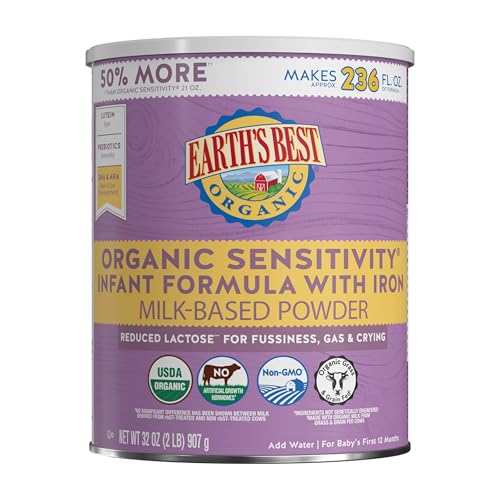
This option is designed for babies who experience fussiness and gas. It uses reduced lactose to ease upset tummies while providing iron and essential fatty acids like DHA and ARA. The organic foundation remains a core benefit for parents seeking a gentler option built on trusted ingredients. It supports supplementation or formula feeding for the first year.
Who it’s best for: infants who show signs of lactose sensitivity or gentle-digestive needs. Caution: lactose-reduced formulas can still affect every baby differently; monitor for tolerance during the first weeks of use.
Happy Baby Organics Stage 1 Infant Formula

Best for parents seeking a probiotic-and-prebiotic enriched organic option. This formula is designed to support gut bacteria closer to breastfed infants and promote digestive health. Probiotics and prebiotics are paired with DHA to aid brain and eye development, aligning with common infant nutrition goals. It emphasizes clean organic ingredients without unnecessary additives.
Who it’s best for: babies who may benefit from added gut health support and families prioritizing organics. Caution: as with all formulas, gradual introduction is recommended to monitor tolerance.
Buying Guide: Key Purchase Considerations
- Digestive comfort: Look for reduced lactose or gentle protein profiles if your baby has fussiness or gas.
- Milk source: Organic certification and protein type (cow or goat, A2) can influence digestion and allergen exposure.
- Iron enrichment: Most babies benefit from iron-fortified formulas; verify iron content in your chosen product.
- Prebiotics and probiotics: Some formulas include these to support gut health and stool regularity.
- Allergen considerations: Check for common allergens and ingredients like corn syrup or GMOs if you’re avoiding them.
- Feeding plan: Decide whether the formula complements breastfeeding or is the primary source of nutrition.
Frequently Asked Questions
- What does “A2” mean in infant formula?
A2 refers to a type of beta-casein protein in milk believed by some to be gentler on digestion. Formulas labeled A2 use milk primarily from cows that produce A2 beta-casein.
- Is organic formula better for my baby?
Organic labeling emphasizes farming practices and ingredient sourcing. It can reduce exposure to certain pesticides and synthetic additives, but all infant formulas must meet safety and nutrition standards.
- Should I choose reduced lactose or standard lactose formula?
Reduced lactose can help babies with sensitivity or fussiness related to digestion. If your baby tolerates standard lactose well, it may be a straightforward option.
- Can I switch formulas if my baby isn’t comfortable?
Yes, but do so gradually over several days to monitor tolerance. Consult a pediatrician if issues persist.
- What role do probiotics play in formula?
Probiotics support gut bacteria and can contribute to softer stools and overall digestive health in some infants.
- What should I consider when choosing organic infant formula?
Consider digestion needs, iron requirements, presence of prebiotics/probiotics, and whether the formula aligns with breastfeeding plans.