Answering your search for non-toxic straw cups, these picks emphasize BPA-free materials, food-grade silicone or stainless steel, and kid-friendly designs. Ideal buyers: parents seeking durable, spill-resistant cups for 8+ months to toddlers, caregivers prioritizing non-toxic constructions, and families who want long-lasting cups that transition with a child’s learning stage.
Summary of selected products:
| Product | Best For | Key Benefit |
|---|---|---|
| Béaba Stainless Steel Straw Sippy Cup | Active toddlers, travel | Insulated, leak-proof with removable handles |
| GROSMIMI Spill Proof Straw Cup | Budget-conscious families | Leak-free with rotatable handle and soft silicone straw |
| Olababy Silicone Training Cup | 6–18 months | High-safety silicone, adaptable to stages |
| Lalo Little Cup | Early teething and grip learning | Three-in-one sipping modes with easy handles |
| ezpz Mini Cup + Straw Training System | Milestones and structured learning | Designed by a pediatric feeding specialist |
Béaba Stainless Steel Straw Sippy Cup

The Béaba insulated straw sippy cup is designed for 8 months and up, making it a solid choice for babies transitioning to independent drinking. Best for families on the go, it features a leak-proof slide opening that can be used open, closed, or upside down, helping prevent spills during travel. The double-walled stainless steel construction keeps beverages at the desired temperature for hours, supporting both warm milk and cold water. This cup suits parents seeking durability, easy cleaning, and a stylish, practical design.
Best for: Toddlers who travel often and older babies who need spill resistance without sacrificing temperature control. The stainless steel design offers longevity and a more non-toxic profile when used as intended, with the added benefit of temperature retention. A potential limitation is that some users may prefer all-plastic options for lighter weight, particularly for very young infants.
Key considerations: leak-proof mechanism, insulation performance (cold 10 hours, hot 5 hours), compatibility with milk, water, or juice, and ease of cleaning with a removable handle system for learning grip.
GROSMIMI Spill Proof Straw Cup with Handle

The GROSMIMI cup emphasizes a leak-free design with a cross-cut (+) straw that remains spill-proof even when shaken. The rotating handle helps protect a child’s wrist as they learn to hold the cup, and the silicone straw is soft on gums, making it suitable for teething toddlers. Stage-1 straw is included, with additional stages available separately. This cup is best for budget-minded households seeking reliable spill resistance and a gentle transition to straw drinking.
Best for: Parents who want a straightforward, affordable option that stays leak-free during typical play and travel. Better for: slightly older infants learning to grip a cup. Caution: some users report wear over time with frequent droppings; ensure proper washing to preserve seal integrity.
Moonkie Silicone Three-Stage Sippy Cup
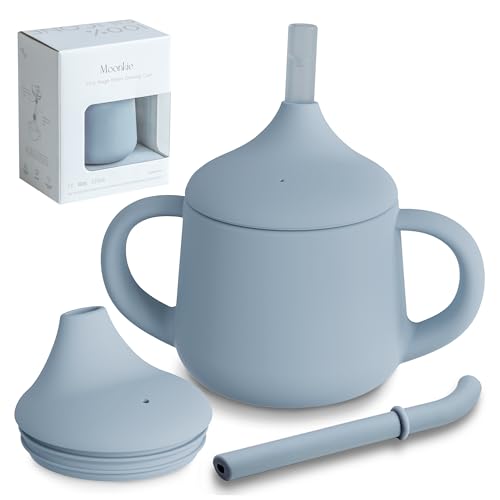
Moonkie offers a three-stage design in a 4 oz silicone cup that grows with your child from bottle to cup. It transitions from open cup to straw, supporting lip closure and safe swallowing, with dental health in mind. Made from 100% food-grade silicone, it is BPA-free and soft on gums. The triple-use configuration makes this a versatile option for families seeking a single cup that evolves with a child’s skills.
Best for: Parents prioritizing a gentle, stage-based progression with a silicone, chew-safe surface. Choose this if you want fewer gear pieces and a cup that adapts to multiple drinking styles. Limitation: the smaller 4 oz size may require more frequent refills for older toddlers or heavy drinkers.
Olababy Silicone Training Cup with Straw Lid
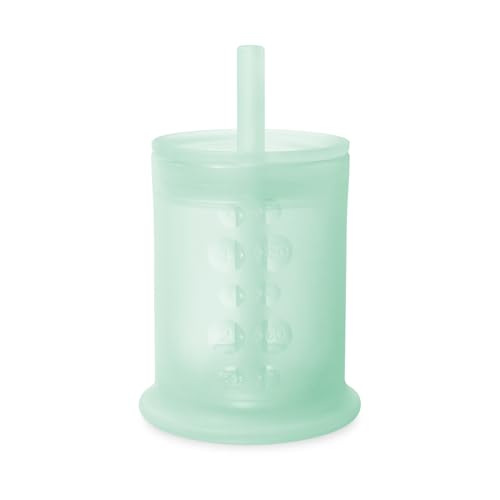
The Olababy training cup with a straw lid emphasizes safety with BPA, PVC, Lead, and Phthalates-free silicone. Designed for ages 6 months to 18 months, it can function as both a straw cup and a mini open cup, aiding a smooth transition while reducing spills. The wide weighted base and non-slip surface help tiny hands manage the cup confidently, supporting independent drinking. Best for early-stage learners who benefit from stability and stage flexibility.
Best for: Toddlers learning to transition away from bottles, who need a stable base and gentle silicone. Limitations: the design relies on silicone components; durability can vary with frequent chewing or aggressive handling.
Lalo Little Cup with Silicone Straw and Handles

The Lalo Little Cup focuses on grip-friendly silicone handles and a 4 oz capacity, making it a strong choice for early self-feeding and teething phases. It supports three sipping modes—straw, spout, or open cup—so children can practice different drinking techniques as they grow. A tightly fitting silicone lid minimizes spills when tilted or inverted. This cup is best for parents seeking a compact, flexible training cup that grows with a child.
Best for: Babies who are learning to drink independently and need a sturdy, multi-mode cup. Limitation: some users may find the 4 oz capacity small for longer trips or heavier drinkers.
Legendairy Milk Honey Bear Straw Cup

This silicone straw cup from Legendairy Milk features a unique honey bear design and transparent silicone body, allowing visibility of liquid levels. The 8 oz capacity and food-grade silicone construction support hygienic, chew-safe sipping for babies and toddlers. The soft, chew-friendly straw and portable design suit families seeking a lightweight, easy-to-clean option with a playful aesthetic.
Best for: Parents who want a cute, kid-friendly cup that is fully silicone and easy to grip. Better for: older infants and toddlers who enjoy a visually engaging cup. Caution: design includes a soft body; ensure routine inspection for tears or wear.
Buying Guide: Non-Toxic Straw Cup Selection
What material matters most?
Choose cups made from food-grade silicone or high-quality stainless steel. Silicone is soft on gums and teething, but inspect for signs of wear; stainless steel offers durability and temperature control but may be heavier.
Is spill-resistance essential?
Look for leak-proof lids, cross-cut straws, and tight seals to minimize messes during travel and play. Rotating handles and weighted bases can further reduce spills.
How important is ease of cleaning?
Prefer cups with simple parts and dishwasher-safe components. Fewer crevices reduce bacterial buildup, and removable handles or lids simplify daily cleaning.
What about age and stage transitions?
Two- to three-stage cups help babies graduate from bottles to open cups and straws. Consider a cup with multiple modes (straw, spout, open) to extend its usefulness as your child grows.
Safety certifications to expect
Look for BPA-free and phthalate-free labeling. While this guide avoids product-specific warranties, prioritize brands that emphasize safety in materials and design.
Practical comparison at a glance
- Best overall for temperature control: Béaba Stainless Steel Straw Sippy Cup
- Best budget-spill option: GROSMIMI Spill Proof Cup
- Best silicone-only option: Moonkie Three-Stage Cup
- Best stability and grip for beginners: Olababy Silicone Training Cup
- Best multi-mode training: ezpz Mini Cup + Straw Training System
FAQ
- Are non-toxic straw cups safe for newborns? Most cups target ages starting around 6 months and up; always follow product age recommendations and consult your pediatrician for your child’s readiness.
- What is the advantage of silicone over stainless steel? Silicone is gentler on gums and teething, while stainless steel offers durability and temperature stability. Both can be non-toxic if labeled BPA-free and food-grade.
- How do I prevent leaks effectively? Ensure the lid is securely closed, the seal is intact, and the straw is correctly positioned. Avoid using damaged cups as leaks can increase with wear.
- Can these cups help with dental development? Yes, Sippy and straw usage can promote lip rounding and controlled swallowing when introduced at appropriate stages, aligning with pediatric guidance.
- How often should I replace a non-toxic cup? Inspect regularly for cracks, melted seals, or softened silicone. Replace if any wear affects safety or cleanliness.
- Is dishwasher cleaning safe for all cups? Most are dishwasher-safe on lower heat settings, but always verify manufacturer instructions to preserve seals and materials.