Looking for a non-toxic baby toothbrush? This guide highlights safe, chemical-free options designed for infants and toddlers. It profiles five top choices, explains who they’re best for, and compares materials, bristle types, and eco-friendliness. Ideal buyers include parents seeking plastic-free handles, plant-based bristles, and BPA-free construction. The following table summarizes the featured products to help you compare at a glance.
| Product | |||
|---|---|---|---|
| Dr. Noah Microplastic-Free Bamboo Baby Toothbrush (4 Pack) | Parents wanting plastic-free bamboo handles | Bamboo, plant-based bristles | |
| Wild & Stone Organic Bamboo Toothbrushes (4 Pack) | Families seeking 100% compostable handle and vegan bristles | Bamboo, BPA-free nylon bristles | |
| Sea Turtle Plant-Based Bristles, Bamboo Toothbrushes (4 Pack) | Eco-conscious households with donations to environmental causes | Bamboo, plant-based bristles | |
| Rain Organic Bamboo Baby Toothbrush (1 Pack) | Those wanting organic bamboo with gentle bristles | Bamboo, BPA-free bristles | |
| Jordan Step 1 Green Clean Toddler Toothbrush (Pack 3) | First brushing experiences for toddlers | Biobased bristles, recycled handle |
Dr. Noah Microplastic-Free Bamboo Baby Toothbrush — 4 Pack

Best for: Parents who want a complete family set with plastic-free handles and plant-based bristles. This 4-pack is designed for infants to toddlers, emphasizing a dentist-designed approach and non-toxic materials. The bamboo handle and plant-based bristles are independently lab-tested for microplastics, offering a safer alternative to silicone or plastic brushes.
- Material focus: bamboo handle, plant-based bristles; zero microplastics detected
- Safety: BPA, PFAS, phthalates, and heavy metals not detected in 656 substances tested
- Best use: infants aged 6-12 months up to toddler years; sturdy for multiple children
Caution: While designed for safety, ensure gentle brushing to avoid discomfort for very young gums. Not all bristle types suit every child’s preference; some may prefer softer or firmer textures.
Dr. Noah Microplastic-Free Bamboo Baby Toothbrush — 6 Pack

Best for: Families with more than one child or households that want backups. This 6-pack mirrors the same safety standards as the 4-pack, offering broad coverage while keeping plastic-free, lab-tested materials at the core.
- Material focus: bamboo handle; plant-based bristles
- Safety: tested for 656 substances with all non-detected
- Best use: households with multiple young children
Caution: Availability may vary; consider rotating brushes to preserve bristle softness over time.
Wild & Stone Organic Bamboo Baby Toothbrushes (4 Pack)
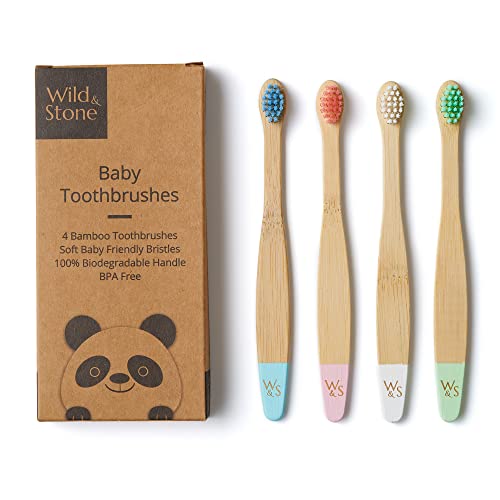
Best for: Families seeking compostable bamboo handles and vegan bristles. The 4-pack emphasizes eco-friendly materials and a design tailored for babies with smaller mouths and easy-to-grip handles.
- Material focus: MOSO bamboo, DuPont nylon bristles (toxin-free paint)
- Best use: babies and toddlers; colorful handles aid identification
- Limitation: bristles are nylon-based, which some strict non-plastic advocates may wish to avoid
Sea Turtle Plant-Based Bristles, Bamboo Toothbrushes (4 Pack)

Best for: Eco-conscious buyers who want a notable environmental impact, including donations to forests and communities. This 4-pack uses plant-based castor bean bristles and responsibly sourced bamboo.
- Material focus: bamboo handle, plant-based bristles
- Benefit: profits support tree planting and humanitarian work
- Limitation: plant-based bristles may be less durable for heavy brushing
Rain Organic Bamboo Baby Toothbrush (1 Pack)

Best for: Parents seeking a single, sustainability-focused option with organic bamboo and extra-soft bristles. The ergonomic design supports safe, comfortable brushing for early teeth.
- Material focus: organic bamboo, BPA-free bristles
- Eco-friendly: biodegradable bamboo and recyclable packaging
- Limitation: single-pack quantity; less value for households needing multiple brushes
Dr. Brown’s Infant-to-Toddler Toothbrush, Giraffe

Best for: Parents seeking a training toothbrush with a soft brush and easy-to-grip handle. It supports gentle cleaning of emerging teeth and gums while encouraging independent brushing habits.
- Standard age range: suitable for infants to toddlers
- Pros: soft bristles; easy-to-hold handle
- Limitation: not explicitly marketed as fully non-toxic or microplastic-free
Jordan Green Clean Toddler Toothbrush (Pack 3)

Best for: Toddlers beginning to brush independently with a sustainable design featuring a partially recycled handle and bio-based bristles. The set includes multiple brushes for growing kids.
- Material focus: bio-based bristles, recycled handle
- Best use: 0–2 years transitioning to toddler brushing
- Limitation: some users may prefer fully non-plastic options
Buying Guide: Non-Toxic Baby Toothbrushes
What matters most when choosing a non-toxic baby toothbrush?
- Material safety: look for bamboo handles and plant-based or BPA-free bristles. Verify independent safety testing if possible.
- Bristle softness: start with extra-soft or soft bristles; gentler on gums and developing teeth.
- Age range: ensure the brush fits your child’s current age and oral development stage.
- Eco-friendliness: consider compostable or sustainably sourced bamboo and packaging.
- Durability and maintenance: ensure the brush is easy to clean and can withstand daily use by young children.
Frequently Asked Questions
- Are bamboo toothbrushes really non-toxic? Yes, many brands test for microplastics and harmful substances, and use plant-based bristles or BPA-free materials.
- What makes a toothbrush “microplastic-free”? It uses natural materials for the handle and bristles without plastics like nylon in the parts that contact teeth.
- Is plant-based bristle material as effective as nylon? Plant-based bristles can be effective, but feel softer; performance varies by brand and needs.
- Should I buy a multi-pack? Multi-packs are convenient for households with multiple children or for rotating brushes to maintain softness.
- How often should a child change toothbrushes? Generally every 3–4 months or when bristles show wear.
- Is a fully biodegradable toothbrush practical for daily use? Some options are highly eco-friendly, but availability and durability should be weighed against your family’s brushing needs.