When shopping for pacifiers, parents seek safe, non-toxic options that support natural suckling while promoting healthy oral development. This guide highlights five BPA-free, baby-safe pacifiers ideal for newborns and up to six months. Each picks emphasizes different needs—ease of use, orthodontic design, dental development, and comfort. Best for first-time parents, caregivers seeking glow-in-the-dark convenience, or families prioritizing natural materials will find clear distinctions here.
Product comparisons at a glance
- Name: NUK Timeless Comfy Pacifier | Brand: NUK | Material: 100% Silicone | Best for: Newborn comfort with breast-like fit
- Name: MAM Original Baby Pacifiers 0-6 Months | Brand: MAM | Material: Skin Soft Silicone | Best for: Soft latch and easier oral development
- Name: Philips Avent Soothie 0-3 Months | Brand: Philips Avent | Material: 100% Silicone | Best for: One-piece design and breastfed routines
- Name: Natursutten 2-Pack Natural Rubber Pacifiers | Brand: Natursutten | Material: Natural rubber | Best for: Fully natural material and gentleness on gums
- Name: Dr. Brown’s HappyPaci 100% Silicone Pacifier 0-6m | Brand: Dr. Brown’s | Material: 100% Silicone | Best for: Familiar bottle-nipple transition
NUK Timeless Comfy Pacifier

NUK’s Timeless Comfy Pacifier uses a 100% silicone, one-piece design with a breast-like nipple shape. The nipple is orthodontic to help promote healthy oral development, and the BPA-free construction is gentle on baby’s skin. This option is best for parents who want a classic, newborn-ready design that mirrors natural sucking patterns. Caution: typical newborn stages demand close monitoring of nipple acceptance—some babies may prefer a different shape initially.
MAM Original 0-6 Months Pacifiers
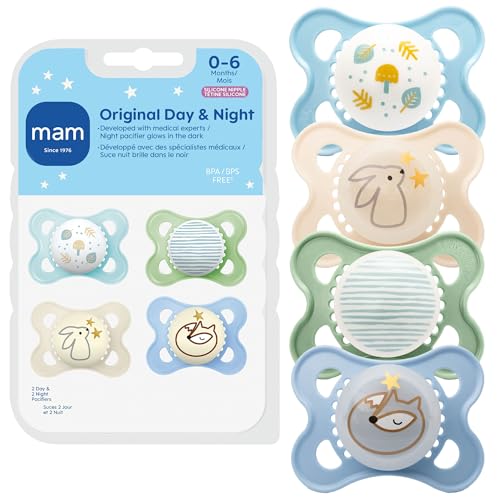
This set uses SkinSoft silicone for a soft feel, designed with orthodontists and pediatric dentists in mind. The nipple is symmetrical for balanced acceptance and a breast-like latch. The product is BPA-free and includes glow-in-the-dark features for nighttime use. Best for: babies needing a gentle latch with familiar comfort, and parents who value a long-term, symmetrical nipple shape. Limitation: the glow feature is cosmetic and may attract attention in low light, potentially waking quieter sleepers.
Philips Avent Soothie 0-3 Months

The Soothie pacifier is a 100% medical-grade silicone, one-piece design ideal for newborns. It supports natural suckling while aligning with American Academy of Pediatrics recommendations. The design promotes a reassuring latch and comfortable fit for 0-3 month infants. Best for: parents seeking a simple, straightforward, medical-grade option. Caution: some babies may prefer another shape or silicone texture after initial use.
Natursutten 2-Pack Natural Rubber Pacifiers
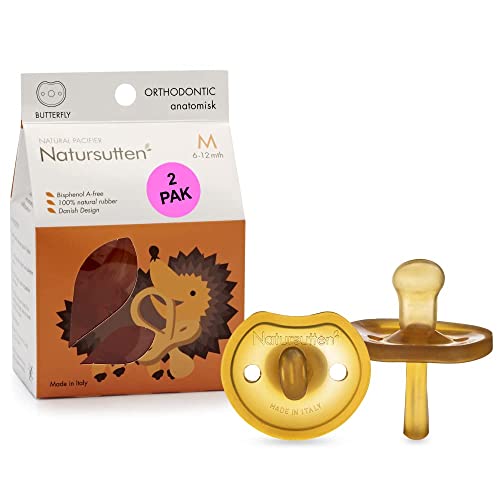
Natursutten offers natural rubber pacifiers made in Italy, with a butterfly shield and an orthodontic nipple. The pacifiers are BPA-free and crafted from pure natural rubber, noted for being softer than silicone. Best for: parents prioritizing natural materials and gentle gum contact, suitable for breastfed babies. Limitation: natural rubber may require more regular inspection for wear, and availability can vary by region.
Dr. Brown’s HappyPaci 100% Silicone Pacifier
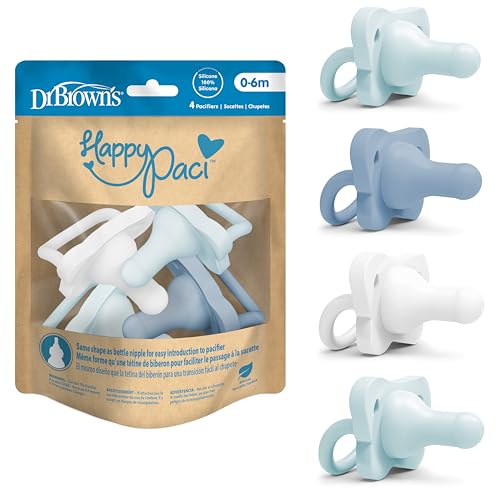
HappyPaci features a contoured, one-piece shield and a 100% silicone bulb designed to resemble Dr. Brown’s bottle nipple. This helps with a familiar latch as babies transition from bottle feeding. Best for: parents seeking a silicone pacifier with a familiar feeding feel. Caution: color selections may vary, and some babies may prefer a different shade or shape initially.
Buying Guide: Key Considerations For Non-Toxic Pacifiers
- Material safety: Look for BPA-free, medical-grade silicone or natural rubber. Ensure the product clearly states non-toxic materials safe for infants.
- Shield design: A shield with ample airflow reduces skin irritation and ensures comfortable breathing. A round, contoured shield is often gentle on the nose and cheeks.
- Nipple shape: Orthodontic or breast-like nipples can support healthy oral development. Consider symmetry and a natural latch.
- Size and age range: Most newborn pacifiers are designed for 0-3 or 0-6 months. For older babies, ensure the size matches your baby’s age and mouth development.
- Durability and care: One-piece designs are easier to clean and less likely to detach small parts. Check dishwasher-safe or easy-hand-wash guidance if you plan to sanitize often.
- Safety and standards: Look for pacifiers that comply with pediatric guidelines and pediatricians’ recommendations for newborn use.
Buying considerations by scenario
- Best for first-time parents: NUK Timeless Comfy and Philips Avent Soothie provide reliable, straightforward options that mirror natural sucking patterns.
- Best for natural materials: Natursutten natural rubber pacifiers emphasize pure materials and gum-friendliness.
- Best for familiar bottle-feeding transitions: Dr. Brown’s HappyPaci mimics bottle nipple shape to ease transition.
- Best for orthodontic concerns: MAM Original’s symmetric nipple supports balanced oral development.
Frequently asked questions
- What does non-toxic mean in pacifiers? – Non-toxic pacifiers use materials like BPA-free silicone or natural rubber and avoid harmful chemical additives to minimize risk if chewed or sucked by a baby.
- Are silicone pacifiers safe for newborns? – Yes. Silicone is generally durable and easy to clean, and many brands offer one-piece designs that reduce choking hazards.
- How do I choose the right nipple shape? – Consider whether you want a breast-like, orthodontic, or symmetrical nipple. A shape that matches your baby’s latch can support early oral development.
- Should I glow in the dark pacifiers? – Glow-in-the-dark features are convenient for nighttime spotting, but they are optional and not essential to safety.
- When should I start removing pacifier use? – Pediatric guidelines often suggest limiting pacifier use to prevent nipple confusion after breastfeeding is established, typically by around 6 months, but consult your pediatrician.
- Are natural rubber pacifiers better than silicone? – Natural rubber can feel softer and more gum-friendly, but may require different care and availability varies by region.