Looking for non-spill straw cups that actually keep liquids in the cup and out of clothing, car seats, and furniture? This guide highlights five reliable options designed to minimize spills while being kid-friendly. The best picks are suitable for everyday use at home, preschool, or travel, and they cater to different ages and preferences. Read on to see who each cup is best for, plus practical buying notes to compare features side by side.
| Product | Best For | Key Benefit |
|---|---|---|
| Nuby No-Spill Sippy Cup | Toddlers 12+ months | Soft Flex valve reduces spills with simple flip sipping |
| Contigo Kids Spill-Proof Tumbler | Active toddlers and travel | Spill-proof valve with silicone seal for mess-free use |
| Dr. Brown’s Milestones Straw Cup | Transition from bottle to cup | Weighted straw moves liquids in any direction |
| Owala Kids Insulation Tumbler | Travel-friendly sipping | Spill-resistant lid and easy-to-clean removable straw |
| Zak Designs Kelso 15oz Plastic Sippy (DinoRoar) | Home or travel for active kids | Leak-proof silicone straw with built-in valve |
Nuby No-Spill Sippy Cup with Flex Straw
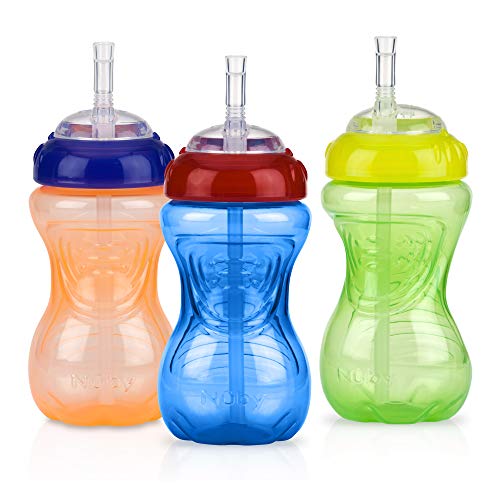
Brand: Nuby | Capacity: 10 ounces | Material: Plastic with soft silicone straw
Features include a built-in TOUCH-FLO valve that only opens when sipping, helping prevent spills. The soft silicone straw is gentle on teeth, and the curved, grooved cup design eases gripping for small hands. Best for toddlers who are learning to drink from a straw and need a controlled spill solution. A potential limitation is that the smaller 10-ounce capacity may require more frequent refills for longer outings.
Contigo Kids Spill-Proof Tumbler with Straw
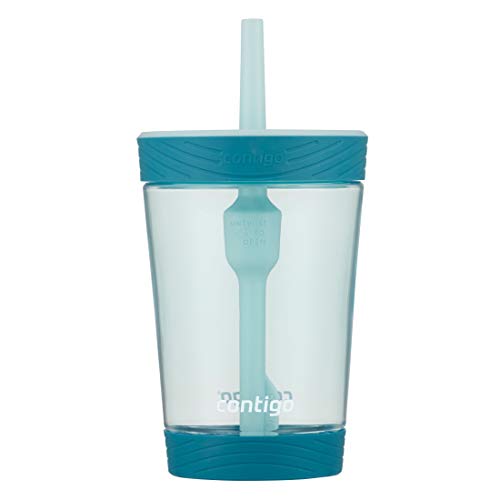
Brand: Contigo | Capacity: 14 ounces | Material: BPA-free plastic
This tumbler features a spill-proof valve and a silicone seal around the straw to reduce leaks when inverted. It’s designed for 100% BPA-free safety. The product is best for kids who need a robust, travel-ready cup with reliable leak protection. A potential limitation is that some users find the seal mechanism takes a bit of fiddling to clean fully every day.
Dr. Brown’s Milestones Straw Cup

Brand: Dr. Brown’s | Capacity: 9 oz | Material: BPA-free plastic
Best for babies and toddlers who are transitioning from bottle to straw cup. The weighted straw moves with the liquid, allowing sipping from any direction, which helps when little hands tilt cups in playful ways. It includes easy-to-grip side handles and a contoured body that grows with a child’s grip. A noted limitation is the smaller 9-ounce capacity, which may require more frequent refills during active playtime.
Owala Kids Insulated Tumbler with Straw

Brand: Owala | Capacity: 12 ounces | Material: Insulated stainless steel
Features a spill-resistant lid and a removable, easy-to-clean straw. The double-wall insulation helps keep drinks cold, making it a good choice for longer trips or outdoor activities. It is best for kids who benefit from temperature retention and a straightforward cleaning routine. A limitation is that metal cups can feel heavier than plastic alternatives, which might matter for the youngest toddlers.
Zak Designs Kelso 15oz Plastic Sippy Cup (DinoRoar)

Brand: Zak Designs | Capacity: 15 ounces | Material: Plastic with silicone straw
Best for travel and home use where adults want quick disassembly for cleaning. The leak-proof design features a silicone straw with a built-in valve to prevent spills when tipped. It is dishwasher safe and easy to take apart for thorough cleaning. A caveat is that plastic cups may retain flavors or odors after repeated use if not cleaned promptly.
Buying Guide: Key Purchase Considerations
- Spill protection mechanism: Look for cups with a built-in valve in the straw and a tight seal around the straw to minimize leaks when tipped or jostled.
- Material and weight: Plastic cups are lighter and often cheaper, while stainless steel cups offer better insulation and durability. Consider your child’s age and comfort with heavier bottles.
- Capacity: Toddlers typically do well with 8–12 ounce cups; older kids may prefer 12–15 ounce mugs for longer outings. Choose a size that aligns with your child’s drinking pace and routine.
- Cleaning: Removable straws and dishwasher-safe components simplify maintenance. Some designs disassemble easily, which helps ensure thorough cleaning.
- Ease of use: A soft straw and easy-to-grip body support independent drinking. Removable lids or handles may aid younger children as their motor skills develop.
- Durability and safety: Ensure BPA-free materials and quality seals. Consider whether the cup is microwave-safe or not, as most are not recommended for microwaving.
- Portability: For travel, select spill-proof lids and stackable designs that minimize mess and maximize storage efficiency.
FAQ
- What is a no-spill straw cup? A cup designed with a straw and a leak-preventing valve or seal to reduce spills, even when the cup is tipped.
- Are stainless steel cups better than plastic for spills? Stainless steel often offers better insulation and durability, but plastic cups are lighter and typically less expensive.
- How should I clean these cups? Look for dishwasher-safe parts and cups that disassemble easily for thorough cleaning of straws and valves.
- Is a weighted straw necessary? Weighted straws help maintain drinking flow when the cup is tilted or moved, which can aid younger children learning to sip from a straw.
- What age are these cups appropriate for? Most listed options suit toddlers and older children; some have smaller capacities suitable for babies transitioning from bottle to cup.
- Can these cups be used for hot liquids? These cups are designed for cold or room-temperature beverages; avoid using hot liquids which can pose a burn risk and may deform some materials.