Find safe, effective options for soothing and protecting delicate diaper areas. This guide highlights five natural, zinc-oxide–based and zinc-free creams suited for different needs—from sensitive skin to cloth-diaper compatible formulas. The top picks cater to parents seeking gentle, reliable protection, quick relief, and easy application. Each product is described with who it’s best for, plus practical cautions to help you choose confidently.
| Product | Brand | Best For |
|---|---|---|
| The Honest Company Hypoallergenic Diaper Rash Cream | The Honest Company | Sensitive or reactive skin; gentle, zinc-based relief |
| Earth Mama Organic Diaper Balm | Earth Mama | Organic, zinc-free option; hospital NICU–trusted care |
| Badger Baby Diaper Rash Cream | Badger | Simple ingredients; mineral-based barrier |
| Weleda Baby Calendula Diaper Cream | Weleda | Natural plant-based care; soothing calendula blend |
| Burt’s Bees Baby Diaper Rash Ointment | Burt’s Bees | Maximum-strength zinc oxide; gentleness with natural origin |
The Honest Company Hypoallergenic Diaper Rash Cream

Best for: Parents seeking a gentle, zinc oxide–based formula with a soothing phyto blend. This cream aims to form a healthy barrier while easing irritation and protecting chafed skin during diaper changes.
Why selected: It combines a rapid-relief zinc oxide base with botanical soothing ingredients to support barrier function. The clean, glide-on application helps minimize friction during diaper changes.
Limitations: Contains standard pharmaceutical additives typical for clean, baby-care products; consider if you prefer zinc-free formulations.
Earth Mama Organic Diaper Balm
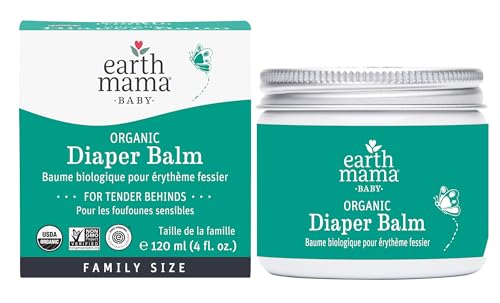
Best for: Parents seeking an organic, zinc-free diaper cream formulated with soothing herbs. Its NICU selection nod reflects hospital-friendly care for sensitive bums.
Why selected: Contains St. John’s wort, calendula, and other herbs with essential oils to calm irritated skin without zinc or petroleum. Ideal for those avoiding zinc oxide entirely.
Limitations: Zinc-free formulas may be less protective in very wet or frequent diaper changes compared to zinc-based creams.
Badger Baby Diaper Rash Cream

Best for: Parents who want a simple, mineral-based barrier with minimal ingredients. Suitable for sensitive skin and those preferring a small ingredient list.
Why selected: Uses mineral zinc oxide along with organic sunflower oil, beeswax, and vitamin E to form a protective barrier and condition skin.
Limitations: As a zinc oxide product, it will leave a white tint on skin and clothing if not applied carefully.
Motherlove Diaper Balm (1 oz)

Best for: Those seeking a cloth-diaper friendly, zinc oxide–free formula with organic herbs and olive oil. Great for on-the-go use or a gentle daily barrier.
Why selected: Clinically tested for irritation avoidance and uses a blend of organic herbs with clean, all-natural ingredients.
Limitations: Less barrier strength than zinc-based options; may require more frequent reapplication under heavy wetness.
Burt’s Bees Baby Diaper Rash Ointment

Best for: Parents seeking a maximum-strength formula with natural-origin ingredients. This option emphasizes intensive protection during persistent rash episodes.
Why selected: Contains 40% zinc oxide for strong barrier formation and wetness protection, paired with a natural-origin base for gentleness.
Limitations: Allergen information notes almonds; avoid if your baby has tree-nut sensitivities.
Buying Guide
What should I look for in a natural diaper rash cream?
Key factors include zinc oxide content, ingredient purity, and whether the formula supports sensitive skin. Consider zinc-based versus zinc-free options based on your baby’s needs and diapering habits. Look for soothing botanicals, minimal synthetic fragrances, and compatibility with cloth diapers if used.
How do I choose between zinc oxide and zinc-free creams?
Choose zinc oxide if you need stronger, faster barrier protection against moisture. Zinc-free formulas are often gentler for very sensitive or reactive skin and may be preferred for frequent diaper changes or cloth diapers.
Is organic or hospital-approved design important?
Organic formulations reduce synthetic additives, while NICU or hospital endorsements can indicate established care standards. Consider your comfort with herbal blends and the presence of potential allergens.
What are common ingredients to watch for?
Look for barrier-building ingredients (zinc oxide, beeswax), skin-conditioning oils (sunflower oil, olive oil, almond oil where appropriate), calendula, chamomile, and calendula. Avoid artificial fragrances, parabens, mineral oils, and petrolatum if you prefer zinc-free options.
How should I apply diaper rash cream for best results?
Gently cleanse and dry the affected area. Apply a thin, even layer to form a protective barrier. Reapply with each diaper change or as needed to prevent moisture exposure and irritation.
Which product is best for cloth-diaper users?
Cloth-diaper compatibility is important. Some zinc oxide creams can leave residues on cloth; zinc-free or mineral-oil–free formulas may be preferable. Always verify with your diaper material and washing routine.
Frequently asked questions
Q: Are these products safe for newborns?
A: Most are designed for infant use, but always read labeling and consult a pediatrician if you have concerns about your newborn’s skin.
Q: Can I use diaper rash cream for other irritated skin areas?
A: Some formulas can be used on other irritated areas, but check product directions to confirm suitability and avoid reusing products on non-diaper areas if not advised.
Q: Do these creams require precautions with allergies?
A: Yes. Check ingredient lists for potential allergens such as nuts or essential oils to prevent reactions.
Q: How quickly should I expect improvement?
A: Mild redness may improve within a day or two with proper cleansing and barrier protection. More persistent symptoms should be discussed with a pediatrician.
Buying decisions should reflect your baby’s skin type, diapering routine, and tolerance for herbal or synthetic ingredients. The five products above offer a range of natural options with clear benefits and practical limitations to help you choose.