When choosing a baby bottle, most buyers want a balance of anti-colic features, nipple design that mimics breastfeeding, and a bottle that fits their routine. The following five bottles are widely used and designed to suit different feeding styles, from anti-colic systems to glass options. This guide helps American parents decide which bottle best fits their baby’s pace, their comfort with materials, and their preference for breast-to-bottle transitions. The included table summarizes why each pick stands out and who will benefit most.
| Product | Best For | Key Benefit |
|---|---|---|
| Philips Avent Natural 9oz (4-Pack) SCY903/04 | Nursing parents who want a natural drinking rhythm | Wide nipple mimics breast feel and flow control |
| Lansinoh Anti-Colic 8oz (3-Pack) | Newborns prone to gas and fussiness | Air ventilation to limit air intake |
| Evenflo Classic Tinted 8oz (12-Pack) | Budget-conscious families needing volume | Lightweight with simple markings and vents |
| Dr. Brown’s Natural Flow 8oz (4-Pack) | Parents seeking vented, nutrient-preserving feeding | Anti-colic vent system preserves nutrients |
| Philips Avent Glass Natural 8oz (4-Pack) SCY913/04 | Glass enthusiasts who want a BPA-free option | Heat-resistant borosilicate glass with natural response nipple |
Philips Avent Natural 9oz: Natural Response Nipples

This Philips Avent bottle uses a Natural Response nipple that lets milk flow when the baby actively drinks, closely simulating breastfeeding. The unique opening ensures milk releases with swallowing and breathing in mind, not just pressure. The wide, breast-shaped nipple is designed to ease the transition between breast and bottle feeding.
Best for: Parents who want a bottle that supports a natural feeding rhythm and easy breast-to-bottle transitions. Better for: Babies who benefit from a slow, controlled flow that aligns with their own pace. Choose this if you value a soft, familiar feel and a design that reduces milk flow when your baby pauses to swallow.
Caution: Some parents report needing time to adjust to the nipple shape if switching from standard fast-flow bottles. The 9oz size is good for newborns up to a few months depending on feed needs.
Lansinoh Anti-Colic 8oz Bottle

These BPA-free bottles feature ultra-soft silicone nipples with a wide, gentle slope that hugs baby’s mouth, supporting a secure latch for comfortable feeding. The air ventilation system helps limit air intake, which can reduce gas, fussiness, and spit-up, making feeds smoother for both baby and caregiver.
Best for: Newborns who experience gas or spit-up, or parents seeking a nipple that flexes with baby’s sucking for a steady milk pace. Better for: households prioritizing an anti-colic solution without complex parts. Choose this if you want a straightforward bottle with built-in venting.
Limitation: The 8oz size may require more frequent refills for very hungry babies, and some users prefer glass or different venting designs depending on cleaning routines.
Evenflo Classic Tinted Plastic 8oz
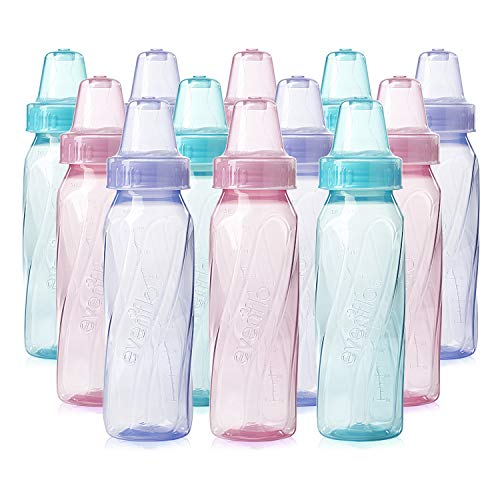
Evenflo’s lightweight, colorful bottles are easy to grip and hold. Micro air vents help prevent nipple collapse, while molded measurement markers in both ounces and milliliters aid quick feeding checks.
Best for: Families seeking affordability and simple design with easy-to-read measurements. Better for: caregivers who value easy grip and lighter bottles for travel. Choose this if you want bright colors and a basic anti-collar design without extra bells and whistles.
Limitation: It lacks the more advanced anti-colic vent systems found in some higher-end brands, so it may not reduce gas as effectively for all babies.
Dr. Brown’s Natural Flow Anti-Colic 8oz

Dr. Brown’s bottles are known for reducing colic, spit-up, burping, and gas thanks to an internal vent system. They support a consistent flow, helping babies feed at their own pace, and the vent design aims to preserve milk nutrients for digestion and sleep.
Best for: Parents dealing with reflux or frequent spit-up, seeking a steady flow and nutrient preservation. Better for: babies who feed best with a slower, controlled rate. Choose this if you want to minimize discomfort from gas and colic.
Caution: The internal vent system adds more parts, so cleaning and assembly can take longer than simpler bottles.
Dr. Brown’s Natural Flow Anti-Colic 4oz

This smaller 4oz option mirrors Dr. Brown’s anti-colic approach, with the same vent system designed to reduce gas and spit-up. It provides a consistent flow to help babies feed at their own pace during early weeks.
Best for: Parents who need a travel-friendly, compact bottle with the anti-colic benefits. Better for: newborns who require controlled flow from the start. Choose this if you want a smaller capacity bottle for comfort and easier cleaning during night feeds.
Limitation: The component count remains higher, which can be a consider when packing for trips or frequent bottle washing.
Philips Avent Natural Glass 8oz SCY913/04

This glass bottle uses the Natural Response nipple to let milk flow as the baby drinks, closely resembling breastfeeding. Borosilicate glass offers durability, heat resistance, and ease of sterilization. The wide nipple design supports a smooth breast-to-bottle transition.
Best for: Parents who prefer a BPA-free glass option with a premium feel and heat tolerance. Better for: households prioritizing durability and easy sterilization. Choose this if you want a sturdy, long-lasting bottle and a familiar nipple design.
Caution: Glass bottles can break if dropped, so extra care is needed during handling and travel.
Philips Avent Natural Glass 4oz SCY910/04

This 4oz glass bottle uses the same Natural Response nipple to support a baby’s natural feeding rhythm. It’s made from borosilicate glass, BPA-free, and resistant to temperature changes. The wide nipple facilitates easy transitions between breast and bottle.
Best for: Parents seeking a compact glass bottle option with a natural flow design. Better for: small feeds, travel, or newborn care where size matters. Choose this if you want a lightweight glass option for shorter feeding sessions.
Caution: The smaller 4oz size requires more frequent refills and cleaning during the day, especially with hungry newborns.
Buying Guide: Key Considerations For Choosing The Right Bottle
- Feeding style: If your baby benefits from a natural-paced feed, prioritize bottles with wide-bore nipples and flow-control features that mimic breastfeeding.
- Anti-colic technology: Look for vented systems or air-flow designs to reduce gas and spitting up, especially for newborns prone to discomfort.
- Materials: Choose between plastic (lightweight, affordable) and glass (durable, easy to sterilize) based on your cleaning routine and portability needs.
- Vent system complexity: More parts can mean thorough cleaning but better gas reduction. Consider your willingness to assemble and clean.
- Size and capacity: Start with 4oz or 8oz bottles depending on feeding volume and feeding frequency; have a mix if convenient for nighttime feeds.
- Durability and care: Some bottles are microwave- or dishwasher-safe; ensure compatibility with your sterilization method.
Frequently Asked Questions
- What bottle is best for reducing gas?
– Bottles with internal vent systems or air ventilation designed to limit air intake tend to reduce gas for many babies. - Which bottle is easiest to clean?
– Simpler designs with fewer parts are typically quicker to assemble and wash, though some anti-colic systems require more parts. - Are glass bottles safer than plastic?
– Glass is BPA-free and durable but heavier and prone to breakage; plastic is lighter but may retain odors and stains if not cleaned properly. - Can I mix breast milk with formula in these bottles?
– Yes, all listed bottles are designed for both breast milk and formula; follow preparation guidelines and nipple flow recommendations. - Do all bottles fit standard bottle warmers?
– Most 4oz and 8oz bottles are compatible with common bottle warmers, but check the brand’s guidelines for specific models. - How soon should I switch nipple flows?
– Start with the slowest flow for newborns and adjust as baby grows and feeds more efficiently.