When choosing an organic baby formula, parents seek options that closely mirror breast milk while supporting digestion, immunity, and growth. This guide highlights five top organic formulas suitable for babies from birth to 12 months, with clear guidance on who each product is best for. The focus is on digestibility, probiotic and prebiotic content, and nutrient profiles that align with regulatory standards. The following table summarizes the featured products to help you compare at a glance.
| Product | Best For | Key Benefit |
|---|---|---|
| Earth’s Best Organic Dairy Infant Formula | Breastfed or formula-fed babies needing iron support | Closest to breast milk with DHA/ARA and prebiotics |
| Happy Baby Organics Stage 2 | Infants transitioning to solids and needing gut-friendly options | Probiotics and prebiotics with near-breast-milk DHA levels |
| Earth’s Best Organic Gentle Infant Formula | Babies with fussiness or sensitive tummies | Gentle proteins for easier digestion |
| Earth’s Best Organic Sensitivity Infant Formula | Reduced lactose needs with normal iron intake | Lower lactose to ease upset tummies |
| Bobbie Organic Gentle Formula | Parents prioritizing lactose-like sweetness and digestibility | 100% lactose similar to breast milk; smaller milk proteins |
Earth’s Best Organic Dairy Infant Formula for 0–12 Months
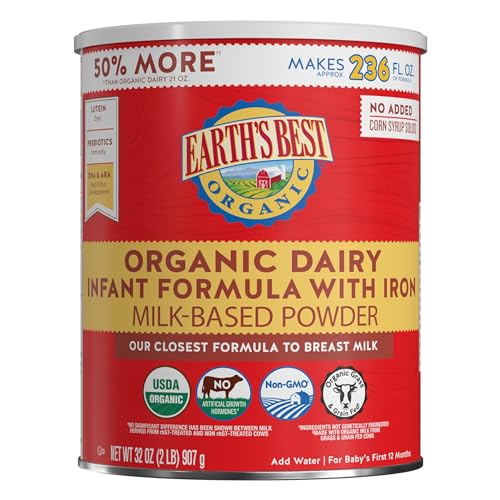
Best for families seeking a dairy-based organic option with iron and DHA/ARA, this formula mirrors several breast-milk components. It contains lutein, prebiotics, and Omega-3 DHA plus Omega-6 ARA to support immune defenses, brain development, and eye health. The formula is designed to be easy to digest and suitable for supplementing breastfeeding or serving as a first-year replacement until a baby transitions to whole milk or a milk alternative. This choice is particularly strong for parents who want a familiar dairy base with robust nutritional features.
Who it’s best for: babies needing iron-rich dairy formula with breast-milk-like components. Why selected: strong nutrient profile and accessibility for a wide range of feeding plans. Caution: some babies may require slower introduction if there are digestive sensitivities, so monitor stool and comfort after feeding.
Happy Baby Organics Stage 2 Formula

Stage 2 is designed for babies 6–12 months who are starting solids and need continued nutrition with gut-friendly support. This formula emphasizes a probiotic and prebiotic blend to support softer, more regular stools, with DHA levels aligned to infant needs. It carries USDA organic certification and is positioned as a strong option for families prioritizing gut health alongside immune and developmental benefits. Choose this if you want a stage-adjusted option that emphasizes digestive comfort.
Best for: babies transitioning to solid foods while needing steady probiotic support. Better for: infants who benefit from higher gut-friendly ingredients. Caution: Stage 2 formulas are not intended for newborns; ensure age-appropriate use.
Earth’s Best Organic Gentle Infant Formula

This gentle formula focuses on easy digestion with proteins designed to minimize fussiness and gas. It contains lutein, prebiotics, and DHA/ARA to support defense mechanisms, brain, and eye development. It suits parents seeking a dairy-based option with digestion-friendly properties while maintaining an iron-rich profile for the first year. The product aligns with FDA infant nutrition requirements and can be used to supplement breastfeeding or as a replacement feeding plan in the early months.
Best for: babies with sensitive tummies seeking gentle digestion. Better for: families prioritizing a closer-to-breast-milk compositional approach. Caution: some infants may require trial to confirm tolerance to any formula adjustments.
Earth’s Best Organic Sensitivity Infant Formula
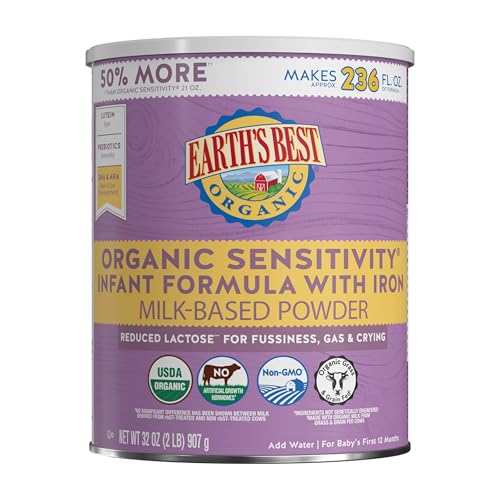
Designed for reduced lactose intake, this sensitivity formula aims to ease upset tummies while still supplying iron and essential fatty acids. It mirrors the standard organic framework but with lower lactose to help babies who experience fussiness or gas. It’s a strong option for families worried about lactose sensitivity but who still want the assurance of organic farming practices and a complete nutrient profile. Best for: babies with mild lactose sensitivity. Limitations: reduced lactose means it may not suit all sensitivity levels, so observe feeding responses.
Bobbie Organic Gentle Baby Formula

Bobbie’s Organic Gentle Formula emphasizes 100% lactose like breast milk and smaller milk proteins to support digestion and reduce common discomforts. It carries USDA Organic and Clean Label Project certifications, aligning with consumer expectations for transparency and natural ingredients. This option is well-suited for babies who respond best to lactose-based formulas but need gentler protein structures. Best for: parents seeking a lactose-like profile with clean labeling. Caution: as with any new formula, watch for digestive responses during the initial days of use.
Baby’s Only A2 Organic Milk Infant Formula

Baby’s Only A2 uses A2 milk, a beta-casein protein variant believed to be gentler on some babies’ digestion. The formula includes iron, vitamins, and a clean-label approach with no corn syrup or GMOs. It’s designed for newborns to 12 months and comes in a larger packaging option, which can be convenient for families planning longer-term use. Best for: infants who may benefit from A2 milk proteins and a straightforward organic formula. Limitation: A2 emphasis may not be necessary for every baby, so gauge tolerance and digestion closely.
Buying Guide: Key Considerations for Choosing Organic Baby Formula
What matters most when selecting an organic formula? The choices below outline practical considerations to help you decide based on your baby’s needs and family preferences.
- Digestive comfort: Look for formulas with prebiotics and probiotics, especially for babies prone to fussiness or gas. Probiotic blends can support softer stools and gut health.
- A2 or lactose profile: Some babies respond better to A2 proteins or lactose-like formulas. Consider your baby’s history with digestion and consult a pediatrician if uncertain.
- Iron and DHA/ARA: Iron supports development, while DHA and ARA contribute to brain and eye health. Most organic infant formulas include these, but check the exact levels when comparing products.
- Stage recommendations: Start with newborn-stage formulas and transition to stage formulas as your baby grows, particularly when introducing solids.
- Allergen and ingredient transparency: Prefer brands with clear labeling, third-party certifications, and minimal additives beyond essential nutrients.
- Packaging and economy: Consider container size, powder consistency, and how long the formula lasts once opened. Value packaging can be convenient for longer feeding plans.
Choosing by baby profile
- Best for first-month newborns: formulas with gentle protein profiles and easy digestion, such as Earth’s Best Dairy and Gentle options.
- Best for gut health emphasis: formulas including probiotics/prebiotics, like Happy Baby Stage 1 or Stage 2 variants.
- Best for lactose-sensitive or lactose-conscious babies: reduced lactose or A2-based options may provide relief.
- Best for transition to solids: Stage 2 formulas with balanced nutrition support ongoing digestive comfort.
Frequently Asked Questions
- What makes an organic baby formula different from conventional formulas?
– Organic formulas use organic farming standards, with restricted synthetic additives, and typically emphasize non-GMO ingredients and natural processing. - Is it safe to switch formulas if my baby experiences gas after a feed?
– If gas persists, consider a gentle or reduced-lactose option and consult a pediatrician for guidance on tolerance and timing of changes. - Do all organic formulas contain DHA and ARA?
– Most do, as these fatty acids support brain and eye development, but check the product label for exact levels. - What is the benefit of probiotics and prebiotics in infant formula?
– They support gut bacteria balance, which can improve digestion and stool regularity in some babies. - When should I transition from stage 1 to stage 2 formula?
– Stage 2 is typically for babies around 6–12 months or as they begin solids; follow pediatrician recommendations and the product guidelines.