When choosing a bottle nipple that feels closest to breastfeeding, focus on natural shapes, slow-to-regular flow options, and venting systems that reduce gas and reflux. The top picks below are chosen for babies who respond best to a breast-like latch, ease of transition from breast to bottle, and versatility for different ages. This guide highlights who each product is best for and why it stands out. A quick buying table at the start helps you compare key points at a glance.
| Product | Why It Stands Out | Best For |
|---|---|---|
| Playtex Baby Naturalatch | Most like mother, standard surface area, multiple flow options | Newborns needing close-to-breast feel and flexible flow |
| Mason Bottle Slow Flow Nipples | Wide natural shape, BPA-free silicone, dual-vent technology | Young infants; compatibility with mason jars for DIY bottles |
| Adaptive flow that matches baby’s suck strength; minimizes bottle rejection | Breastfed babies; reducing nipple confusion | |
| MAM Easy Start Extra Slow Flow | SkinSoft nipple, anti-colic venting, suitable for preemies | Newborns and premature babies; slower, controlled flow |
| Pigeon Silicone Nipple | Latch-on line design and anti-colic venting | Babies learning to latch; minimizing swallowed air |
Playtex Baby Naturalatch Most Like Mom Nipples

Features include a nipple design that mirrors a mother’s natural surface area, helping babies latch with less effort. The Naturalatch line offers slow, medium, and fast flow options to support growth from newborn to older infants. This nipple is noted for its goal to resemble a mother’s breast in shape and surface, which can aid acceptance by babies who are particularly sensitive to nipple texture. Best for babies who latch easily to a breast-like feel but may need varying flow as feeding demands change. A potential limitation is that flow performance can vary with bottle brand compatibility, so test with your specific bottle setup.
Mason Bottle Slow Flow Nipples (0–3 Months)

These slow-flow nipples are designed for 0–3 month old babies and fit any regular-mouth Mason jar, making them a flexible option for DIY bottle setups. They’re made from BPA-free silicone and marketed as natural-shaped and breast-like, supporting a steady, comfortable feeding pace. The dual-vent technology aims to keep milk flowing smoothly and may reduce gas and colic. Best for parents seeking wide compatibility with mason jars or prefer a natural shape. Limitation: being 0–3 months focused, you may need to switch to faster flow as baby grows.
Suavinex Zero Zero Anti Colic
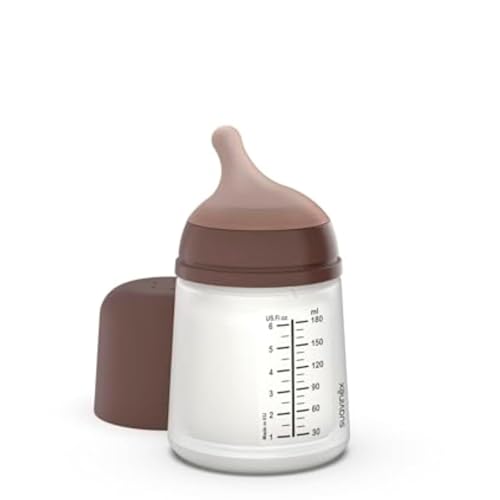
The Zero Zero Anti-Colic line uses adaptable flow control that matches a baby’s sucking strength, helping mimic breastfeeding even when inverted or at odd angles. It’s built to minimize bottle rejection and nipple confusion, a key consideration for breastfed babies transitioning to bottle feeding. Best for breastfed babies starting bottle feeding or those sensitive to nipple shape. Limitation: claims are design-based; actual anti-colic performance may vary with individual baby feeding patterns.
MAM Easy Start Extra Slow Flow
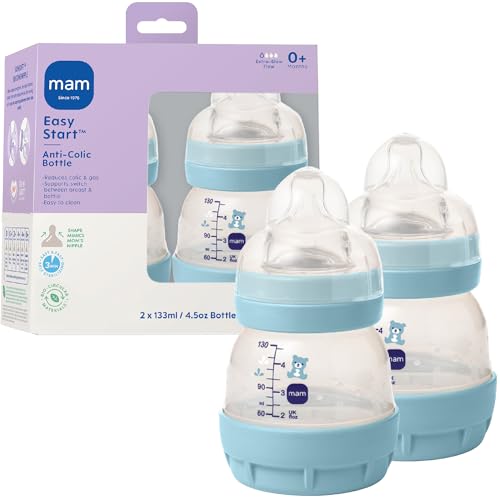
The MAM Easy Start line pairs an extra slow flow nipple with a vented base designed to reduce gas and reflux in many babies. The SkinSoft nipple is engineered to feel close to mom’s skin, aiding acceptance for newborns and older infants alike. This option is best for babies who need a gentle, paced flow and for families seeking an easier transition from breast to bottle. Limitation: some babies may outgrow the extra-slow flow sooner and require a faster option, requiring a switch.
Pigeon Silicone Nipple With Latch-On Line

Designed to guide proper latch with a latch-on curve, this nipple aims to promote effective adsorption and a natural-feel latch. It includes an anti-colic venting system to minimize swallowed air. Best for babies who struggle with latch or show signs of nipple confusion. Limitation: the latch-on design may require an adjustment period for some infants adjusting to a new feeding feel.
Buying Guide
What should you look for in a nipple that mimics breastfeeding?
Seek a nipple that resembles a breast in shape and surface texture, includes a slow or adaptable flow, and features an anti-colic venting system to reduce air ingestion. Look for compatibility with bottles you already own and consider whether the nipple’s design is supportive of long-term use as your baby grows.
Which features matter most for newborns?
For newborns, prioritize extra-slow or slow flow, a softer silicone texture, and a nipple shape that encourages a natural latch. Anti-colic venting helps minimize gas and reflux, while compatibility with breast-like feeding can ease nipple confusion for breastfed babies.
How does flow rate affect feeding?
Flow rate should match your baby’s current feeding ability. Too fast can cause coughing or spit-up; too slow may frustrate the infant and hinder intake. Many brands offer multiple flow options to support growth from newborn through early infancy.
When should you consider switching nipples?
Switch nipples when: baby begins to show signs of fatigue or reluctance at feedings, milk flow seems inconsistent, or the baby reaches a developmental stage where a faster flow is needed. Always monitor for comfort, gas, and overall feeding satisfaction.
How important is bottle compatibility?
It matters. Some nipples are designed to fit only specific bottle brands, while others are compatible with standard wide or regular-mouth jars. If you plan to mix bottles, prioritize nipples with broad compatibility to reduce losing the closest breastfeeding feel during transitions.
FAQ
- What is the closest-feeling nipple to breastfeeding? Nipples designed to mimic breast shape and texture, with a natural latch, are typically the closest.
- Are anti-colic vents necessary? Vents can help reduce swallowed air, but results vary by baby; they’re generally beneficial for gassy or fussy infants.
- Can I mix nipples from different brands? Yes, if the bottle necks and nipples are compatible, but acceptance may vary for each baby.
- When should I replace a nipple? Replace if the nipple shows signs of wear, hardening, tearing, or if the baby refuses it consistently or experiences feeding issues.
- Is it okay to switch to a slower or faster flow? Yes, as babies grow, adjusting flow helps maintain a comfortable feeding pace and supports development.