Answering the core search intent: choose a practical, widely available baby formula based on convenience, ingredients, and digestive support. This guide highlights five common options suitable for most healthy, non-allergic infants. It helps you compare formulas by type, care needs, and baby comfort. Each product section explains who it’s best for and why it was selected, with clear pros and a note on any limitations.
| Product | Type | Best For |
|---|---|---|
| Similac 360 Total Care Ready to Feed | Ready-to-Feed | Busy families needing quick, no-preparation bottles |
| Similac 360 Total Care Powder | Powder | Those who want long shelf life and cost efficiency |
| Earth’s Best Organic Dairy Formula | Powder, Organic | Parents seeking organic options and iron fortification |
| Bubs Goat Milk Formula | Goat Milk-Based Formula | Infants with sensitive digestion or goat-milk preference |
| Enfamil A.R. Infant Formula | Rice starch–based reflux formula | Babies with spit-up or reflux concerns |
Similac 360 Total Care Ready to Feed Infant Formula

Brand: Similac
- Features: Halal, Kosher, Gluten Free
Best for: Families seeking ready-to-use bottles for travel or on-the-go feeding. This version provides convenient, pre-mixed servings without measuring or water preparation.
Why selected: It uses a 5-HMO prebiotic blend similar to breast milk, supporting digestion and immune health in a ready-to-feed format. Suitable for infants in need of a consistent routine and quick bottle preparation.
Limitations: Ready-to-feed options may be more expensive per ounce and generate more packaging waste than powder forms. Check storage after opening.
Similac 360 Total Care Infant Formula Powder

Brand: Similac
- Features: Kosher, Gluten Free, Halal
Best for: Parents prioritizing a consistent powder formula with strong prebiotic support that mirrors breast milk blends.
Why selected: This powder version emphasizes the same 5-HMO prebiotics designed to support immune and digestive health, while offering a cost-effective, shelf-stable option.
Limitations: Requires careful measuring and preparation with clean water; follow preparation guidelines precisely for safety and nutrient balance.
Earth’s Best Organic Dairy Infant Formula
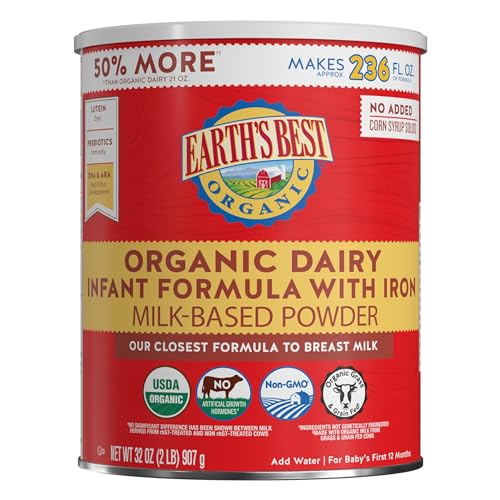
Brand: Earth’s Best
- Features: Nutrition First, No added corn syrup, FDA compliant, Iron fortified
Best for: Parents seeking an organic-certified option with iron and omega fats supporting baby development.
Why selected: Marketed as closest to breast milk among its organic lines, with prebiotics and DHA/ARA to aid defense, brain, and eye development while avoiding corn syrup.
Limitations: Organic formulas may have different pricing and availability; check for the closest FDA guidelines and rechecking formula type as baby needs change.
Bubs Whole Goat Milk Formula With Iron

Brand: Bubs
- Features: Non-GMO goat milk, DHA/ARA, prebiotics, fortified with iron
Best for: Infants who may benefit from goat milk or have sensitive digestion with cow-milk formulas.
Why selected: Goat milk-based formula is often chosen for gentle digestion and a different protein profile, with added DHA/ARA and prebiotics to support development.
Limitations: Goat milk formulas are not suitable for all infants; verify pediatric guidance, especially if there is a known cow milk protein allergy or intolerance in family history.
Enfamil A.R. Infant Formula

Brand: Enfamil
- Features: Reduces spit-ups with rice starch; DHA for brain development; dual prebiotic formula
Best for: Babies experiencing reflux or frequent spit-up, seeking gentler digestion alongside brain-supporting nutrients.
Why selected: A.R. stands out for spit-up reduction in one week and the inclusion of prebiotics to support gut health, alongside iron and DHA.
Limitations: Rice starch thickening may alter texture; some infants may require gradual introduction or alternative formulas if spit-up persists.
Buying Guide: Key Purchase Considerations
What should you consider when choosing a common infant formula?
- Age and dietary needs: Consider the baby’s age, tolerance to lactose, and any guidance from a pediatrician on organic, goat-mmilk, or reflux-specific formulas.
- Formula type: Ready-to-feed offers convenience, while powder options save money and storage space. Choose based on your daily routine and travel needs.
- Prebiotic content: Formulas with HMOs or prebiotics can support digestion and immune health; identify if this is important for your baby’s comfort.
- Allergen considerations: If there is a family history of allergies, discuss hypoallergenic or specialty formulas with your clinician before making changes.
- Digestive tolerance: Some babies respond better to goat milk or rice-starch-thickened formulas; observe stool patterns, gas, and fussiness after introducing a new brand.
- Label accuracy: Ensure the product meets FDA infant formula requirements and is appropriate for the intended age range and developmental stage.
Frequently Asked Questions
- What is the most common type of baby formula?
Powder and ready-to-feed cow-milk-based formulas are the most common, widely available options for healthy, non-allergic infants.
- When should I switch from one formula to another?
Consult a pediatrician if you notice persistent gas, vomiting, poor weight gain, or signs of allergy; a switch may be advised for intolerance or growth concerns.
- Are organic formulas better for babies?
Organic formulas offer different farming standards and may serve families seeking organic labeling; overall nutrition basics remain similar, and pediatric guidance is key.
- Are goat-milk formulas safe for infants?
Goat-milk formulas can be suitable for many babies, but not all. Confirm suitability with a healthcare provider, especially if there are cow milk protein allergies or other concerns.
- Do reflux formulas really reduce spit-up?
Some formulas with thickening agents or rice starch may decrease spit-up in many babies, but results vary; consult your pediatrician for persistent reflux.
- How do I prepare formula safely?
Follow product-specific directions for water temperature, scooping, and sanitation; use clean water and store prepared bottles safely if not used immediately.