Finding the most comfortable baby carrier depends on how you plan to use it. This guide highlights five ergonomic options that balance support, material feel, and ease of use for everyday wear. The top picks are best for short errands, travel, active days, or long periods of carrying. Each product is evaluated for different caregiver needs, from newborn to toddler stages, to help you choose confidently.
| Product | Best For | Key Benefit |
|---|---|---|
| Momcozy Khaki Carrier | Busy parents who need lightweight, quick wear | Three sizing positions with strong lumbar support |
| Infantino 4-in-1 Convertible | New parents and caregivers with varied body types | Multiple positions and even weight distribution |
| KeaBabies Wrap Carrier | Trefined, breathable wrap for all-day comfort | IHDI-certified hip development and snug fit |
| Infantino Luxe 4-in-1 Convertible | Stylish, supportive carry across stages | Updated lumbar support and premium look |
| Momcozy Black Carrier | Travel and daily use with easy adjustments | Lightweight, ergonomic design with growth sizing |
Note: Each option supports different carrying positions and sizes. The best choice depends on your body type, infant’s age, and how you intend to wear your child. The following sections break down each product’s strengths and trade-offs to help you compare quickly.
Momcozy Khaki Ergonomic Carrier

This ergonomic carrier emphasizes hands-free comfort with a lightweight, easy-to-wear design. It supports babies from newborn to toddler (7–45 lbs) and uses three adjustable sizing positions for a custom fit. The built-in EVA waist support provides lumbar relief, making extended wear more comfortable for caregivers. Padded shoulders and waist straps improve overall fit. Best for daily outings, travel, and parents who need quick, secure setup.
Best for: Parents who prioritize easy wearing, quick adjustments, and long-wear comfort on the go.
Caution: The carrier relies on proper hip alignment and positioning; ensure the baby is in the ergonomic “M” position for hip and spine health.
Infantino Flip 4-in-1 Convertible Carrier
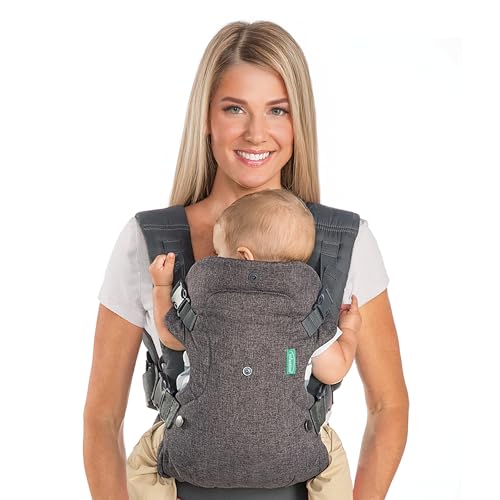
This 4-in-1 carrier offers four carrying positions to grow with your child, from newborn to 32 lbs. It features padded shoulder straps and a wide waist belt to distribute weight and reduce back strain. Adjustable straps and seat settings accommodate different caregivers. Best for: caregivers who want versatility and ergonomic support across multiple carrying styles.
Caution: Some users may find the fabric less breathable in hot climates; plan for breathable layers and frequent breaks in warm weather.
KeaBabies Wrap Carrier

The KeaBabies wrap is an all-in-one original carrier designed for newborn to toddler use. It distributes weight evenly to support back and shoulders and is certified by the International Hip Dysplasia Institute for healthy hip development. The fabric is soft, stretchy, and breathable for all-day comfort. Best for: parents who want a snug, customizable fit and excellent hip health support.
Limitation: Self-tie design requires some practice to achieve the correct wrap tightness and secure fit.
Infantino Luxe 4-in-1 Convertible Carrier
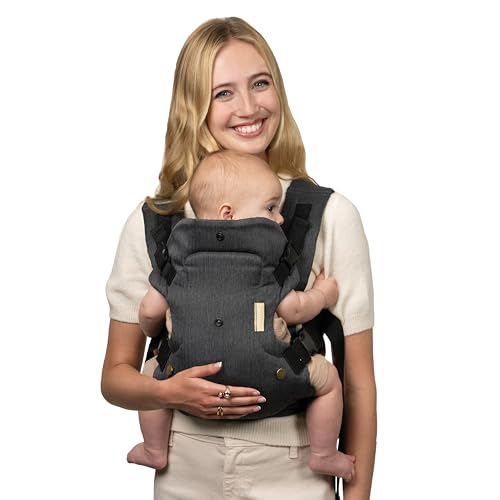
This updated luxury option provides four carrying positions from newborn to toddler with enhanced lumbar support and a premium herringbone finish. The ergonomic seat and adjustable fit support the baby’s natural position, while shoulder straps and a lumbar belt tailor to caregiver comfort. Best for: parents seeking a stylish, supportive carrier that adapts as the child grows.
Caution: The premium fabric and hardware add weight; consider this when you need a lighter carry for very long outings.
Momcozy Black Ergonomic Carrier

The black Momcozy carrier focuses on hands-free comfort with a compact, breathable design. It offers three sizing positions to grow with your child from newborn to toddler and includes built-in lumbar support for extended wear. The padded straps assist in weight distribution for back and shoulder relief. Best for: travelers and daily caregivers who value a lightweight, adjustable carrier that stays comfortable on long days.
Limitation: As with many wrap-style or adjustable carriers, achieving the perfect fit may require some initial adjustment and practice.
Buying Guide: Key Considerations For Choosing A Comfortable Baby Carrier
How do you balance support, fit, and ease of use when selecting a carrier?
- Carrying positions: Determine whether you need multiple positions (facing-in, facing-out, back carry) to accommodate growing infants and changing activities.
- Support and weight distribution: Look for padded shoulders, a sturdy waist belt, and a supportive lumbar area to minimize back strain during extended wear.
- Ergonomic alignment: Ensure the carrier supports an ergonomic hip position (the “M” position) and allows proper spine alignment for your baby.
- Fabric and breathability: Consider breathable materials for warmer days and soft fabrics for baby comfort against the skin.
- Adjustability: Prioritize adjustable sizing to fit different caregivers and to adapt as the baby grows from newborn to toddler.
- Ease of use and maintenance: Quick-to-wear designs and machine-washable fabrics can save time for busy parents.
FAQ: Quick Answers For Shoppers
- What is the most important feature in a comfortable baby carrier? Focus on ergonomic hip support and a well-padded waist belt to reduce caregiver strain.
- Should I choose a wrap or a structured carrier for comfort? Wraps can offer a snug fit and even weight distribution, but may require more practice to achieve proper positioning.
- Can a carrier grow with my child? Yes, many models offer multiple carrying positions and adjustable sizing to accommodate newborns through toddlers.
- Is lumbar support essential in a baby carrier? For longer wear, lumbar support helps distribute weight and reduce back fatigue.
- Are premium fabrics worth it? They can improve comfort and durability, but consider your budget and daily usage before choosing.
- Do all carriers support hip-friendly positioning? Look for certifications or explicit guidance on the “M” position to ensure healthy hip development.