When choosing a lightweight booster seat, look for versatility, portability, and a design that fits smoothly in three-across back seats. This guide focuses on 5 top options ideal for families on the move, carpooling with multiple kids, and parents who want quick transitions between vehicles. Each product is suitable for children within the typical booster weight ranges and offers both high-back and belt-positioning modes where applicable.
Summary of selected products
| Product | Best For | Weight Range | Key Benefit |
|---|---|---|---|
| Safety 1st Grand 2-in-1 Booster Car Seat (Capri Teal) | Families needing 2-in-1 versatility | 40–100 lbs | Lightweight, fits 3 across |
| Graco Tranzitions 3-in-1 (Cinder) | Rising from toddler to youth | 40–100 lbs | No-Rethread Harness, 3 modes |
| Graco Tranzitions 3-in-1 (Eloise) | Long-lasting growth seat | 40–100 lbs | All-in-one seat, easy adjust |
| Graco TurboBooster 2.0 Highback (Declan) | Quick upgrades and comfort | 30–100 lbs | Adjustable headrest/armrests |
| Safety 1st Boost-and-Go Essential 3-in-1 (Labrador II) | Lightweight with simple transitions | 30–100 lbs | Removable cup holders, easy to convert |
Note: All products are designed to support forward-facing use with a harness and later convert to belt-positioning or backless boosters as children grow. Always follow the vehicle seat’s guidelines and the booster’s instruction manual for correct installation.
Safety 1st Grand 2-in-1 Booster Capri Teal
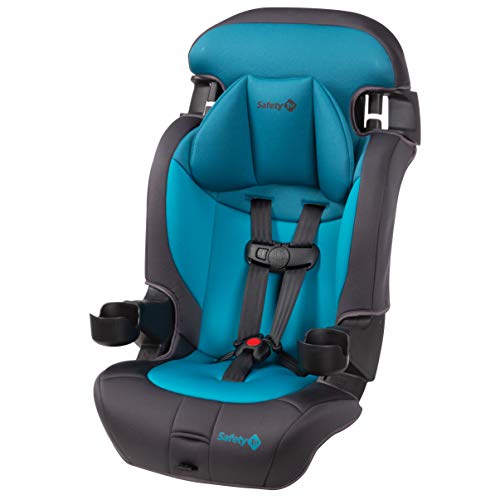
Best for families needing two booster configurations in one seat. This model grows from a forward-facing harness booster (40–65 lbs) to a belt-positioning booster with back (40–100 lbs). Its slim seat design helps with three-across seating in many vehicles. The seat is lightweight for easy transfer between cars.
Who it’s best for: Busy households with carpool needs and a desire for a compact, versatile booster. Why selected: The 2-in-1 design, combined with a lightweight frame and slim profile, makes it practical for frequent vehicle changes.
Caution: Some installations may require extra care to ensure a snug fit in smaller vehicles, especially when three seats share the back row.
Graco Tranzitions 3-in-1 Harness Booster (Cinder)

Best for children who will grow from toddler to youth without needing multiple seats. This 3-in-1 seat transitions from forward-facing harness (26.5–65 lb) to highback booster (40–100 lb) to backless booster (40–100 lb). It includes the No-Rethread Simply Safe Adjust Harness System for synchronized headrest and harness adjustment.
Who it’s best for: Families seeking a single seat that covers several stages of growth. Why selected: The 3-in-1 design provides long-term use and a straightforward adjustment mechanism.
Caution: Minimum weight requirement shifted to 40 lb for the forward-facing mode, which may affect very small toddlers.
Safety 1st Grand 2-in-1 Booster Capri Teal
Best for riders who want an all-in-one seating solution for growing kids. This model mirrors the Capri Teal variant with the same 2-in-1 functionality, portable design, and 3-across compatibility.
Who it’s best for: Families that value compact width and dual-use as children transition from harness to belt-positioning booster. Why selected: Consistent design language and portability across colorways support quick vehicle changes.
Caution: Appearance and colorways vary by stock; verify the exact color before purchasing if styling matters for vehicle interior consistency.
Safety 1st Boost-and-Go Essential 3-in-1 (Labrador II)

Best for lightweight travelers who need straightforward conversion in one seat. This 3-in-1 booster covers forward-facing harness (30–65 lbs), high-back belt-positioning booster, and backless booster (40–100 lbs). It includes removable dishwasher-safe cup holders for on-the-go snacking.
Who it’s best for: Families prioritizing light weight and easy disassembly for quick transfers between vehicles. Why selected: The built-in cup holders are a practical feature for kids during travel.
Caution: The forward-facing minimum weight starts at 30 lb, which may not suit very small toddlers who require early booster use in some cases.
Buying Guide
What to consider when choosing a lightweight booster seat
- Growth range and modes: Look for seats that convert from harness to belt-positioning booster and possibly to backless booster, to maximize use over several years.
- Weight and width: A lighter seat is easier to move between cars, and a slim design helps with three-across seating in the back row.
- Installation ease: No-Rethread harness systems and clearly labeled installation steps reduce the risk of improper use.
- Comfort features: Adjustable headrests, armrests, and cup holders can improve long trips and acceptance by kids.
- Durability versus price: Consider seats that offer solid construction and durable fabric, but weigh the long-term value against upfront costs.
- Vehicle compatibility: Check your car’s back seat width and seat belt configuration to ensure three-across compatibility if needed.
Practical comparisons
- Best for carpool-friendly households: Safety 1st Grand 2-in-1 models due to slim profile and 2-in-1 functionality.
- Best for long-term growth: Graco Tranzitions 3-in-1 variants, offering three modes with a straightforward adjustment mechanism.
- Best for quick trips and lightweight travel: Safety 1st Boost-and-Go Essential with simple conversion and removable cup holders.
FAQ
- What age and weight should use a booster seat? Most boosters are designed for children who have outgrown forward-facing car seats and weigh approximately 40 pounds or more, but always follow the seat’s manual and your vehicle’s guidelines.
- Are 3-in-1 booster seats worth it? Yes, for families seeking long-term usability and fewer seat purchases, a 3-in-1 seat can cover multiple growth stages.
- Do lightweight boosters compromise safety? When installed correctly, lightweight boosters provide the same safety as heavier counterparts for appropriate weight ranges.
- Can booster seats fit three across? Some slim designs are engineered to fit three across the back seat in many vehicles; always test fit in your vehicle.
- How do I know which mode to use? Use harness mode for younger children who still need a secure restraint; switch to belt-positioning booster as they reach the appropriate weight and height, then to backless when appropriate.
- Should I choose a backless option? Backless boosters are usually best for older children who have strong, stable sitting posture and fit well in the vehicle’s seat belt system.