Finding clean, organic baby foods that suit growing appetites can be challenging. This guide highlights five top options ideal for babies and toddlers exploring textures and flavors. Each pick is chosen for organic ingredients, kid-friendly textures, and practical on-the-go packaging. Best for parents seeking transparent ingredient lists and allergen-aware options, these selections fit Stage 2 to early toddler needs. Read on to see who each product is best for and why they stand out.
| Product | Brand | Best For |
|---|---|---|
| Happy Baby Stage 2 Pouches | Happy Baby | Stage 2 eaters who want clearly labeled ingredients |
| Earth’s Best Melty Hoops | Earth’s Best | Babies 8 months and up who need easy self-feeding snacks |
| Serenity Kids 6+ Months Pouches | Serenity Kids | Veggie-first flavors with clean nutrition for ongoing variety |
| Happy Tot Stage 4 Pouches | Happy Tot | Toddlers needing fiber, protein, and balanced textures |
| Serenity Kids 6+ Months Puffs | Serenity Kids | Grain-free, dissolvable finger foods for early pincer grip |
Happy Baby Stage 2 Pouches — Clearly Crafted

Best for: Stage 2 eaters who are transitioning to more complex flavors. These pouches feature clearly crafted packaging that shows ingredients and vibrant colors, aligning with parents who value transparency. The stage-oriented design supports exploratory taste development with simple fruit and veggie purées. This option works well for daily snacks and on-the-go meals. Caution: packaging visuals emphasize ingredients; verify that the flavors align with your baby’s current dietary plan and any allergen considerations.
Earth’s Best Melty Hoops — Strawberry & Mango

Best for: Babies 8 months and older who are ready for finger foods and self-feeding practice. Melty Hoops are puffed corn and quinoa snacks with organic strawberry and mango flavors that dissolve easily. They’re designed to support pincer grip development while offering a wholesome, sugar-free treat. Caution: as with all finger foods, supervise during feeding to prevent choking and adjust size if needed for your child’s development stage.
Serenity Kids 6+ Months Pouches — Veggie-First
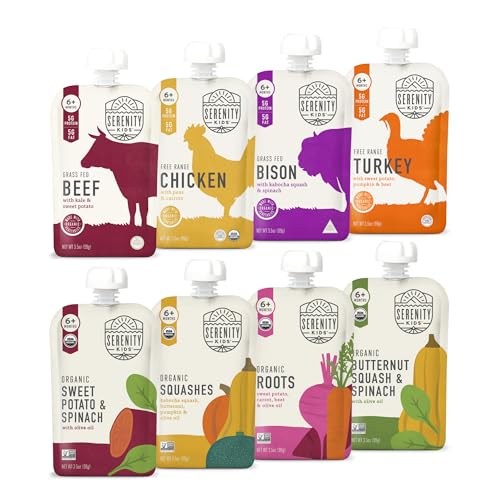
Best for: Parents seeking veggie-forward baby pouches with nutrient-dense profiles. Serenity Kids emphasizes real vegetables and balanced macros, designed for toddlers and older babies who are transitioning to varied textures. The pouches provide clean nutrition and can support busy days with portable meals. Caution: check for added sugars in any flavor and adjust choices to fit your child’s taste preferences and dietary goals.
Happy Tot Stage 4 Pouches — Fiber & Protein

Best for: Toddlers who need fiber and protein in a convenient snack. Happy Tot Stage 4 focuses on a blend of organic fruits and vegetables plus added fiber and protein. This supports ongoing growth and digestive health while encouraging independent snacking. Caution: some fiber-forward blends may require gradual introduction to avoid temporary digestive discomfort; start with small portions and monitor tolerance.
Serenity Kids 6+ Months Puffs — Grain-Free
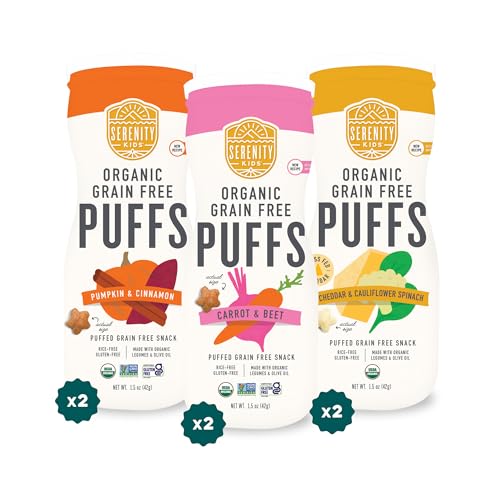
Best for: Early snackers who benefit from dissolvable, grain-free finger foods. Serenity Kids Puffs provide vegetable-forward flavors with chickpea base, designed to support a no-added-sugar approach while helping with motor-skill practice. Caution: texture and flavors may differ from non-grain-free options; ensure alignment with your baby’s dietary progression and chewing skills.
Buying Guide: Key Considerations For Healthy Organic Baby Food
What ingredient standards matter most when choosing organic baby foods?
- Organic certification and clean label practices help ensure minimal synthetic additives. Look for simple ingredient lists with recognizable fruits, vegetables, and grains.
- Allergen awareness is essential. If introducing nuts or other common allergens, choose products designed for allergen consideration or consult a pediatrician.
What textures and stages should guide your selection?
- Stage 2 foods are suitable for babies beginning to self-feed with smooth textures that still feel approachable. Move toward thicker purées or small chunks as your child develops chewing skills.
- Puffs and snacks can support fine motor development, but must be age-appropriate and supervised to prevent choking.
How do you balance nutrition with convenience?
- Single-ingredient options help with budget and allergen control, while mixed fruit/veg blends can expand taste experiences. Consider on-the-go packaging for busy days, but verify storage and shelf-life guidance.
Which products offer best value for families on the go?
- Multi-pack formats with clear ingredient lists are often more economical and easier to rotate flavors for picky eaters. Look for resealable pouches or stackable snack formats.
FAQ
Q: Are organic baby foods always better than non-organic?
A: Organic options can reduce pesticide exposure and support organic farming practices, but the most important factor is a varied, nutrient-dense diet tailored to your child’s development.
Q: When should I start introducing allergenic foods?
A: Current guidelines encourage early, ongoing introduction of common allergens under pediatric guidance, typically around 6 months or as advised by your child’s clinician.
Q: How much should a Baby/Toddler snack contain in terms of fiber and protein?
A: Fiber supports digestion; protein supports growth. Look for products that balance these nutrients for your child’s age and activity level, while avoiding excess sugar.
Q: How can I tell if a product is appropriate for my child’s stage?
A: Check the product labeling for age ranges (e.g., 6 months and up, Stage 2) and texture notes. When in doubt, start with smoother textures and gradually introduce thicker purées or lumpy textures as the child progresses.
Q: Are there risks with dissolvable snacks for young babies?
A: Dissolvable snacks can be helpful for self-feeding and motor skill development, but always supervise feeding and adjust size to your child’s chewing ability to reduce choking risk.