When choosing a grass-fed baby formula, look for options that emphasize purity, digestibility, and nutrition. This guide presents five grass-fed or grass-based formulas suited for infants from birth to 12 months, highlighting who each is best for, potential limitations, and how they compare. Ideal buyers include parents seeking dairy that comes from grass-fed cows, families prioritizing clean label certifications, and caregivers seeking easy digestion for sensitive tummies.
Summary table of selected products:
- Bubs 365 Day Grass Fed Infant Formula with Iron (Cow Milk-Based) — Best for: full nutrition with immune support for 0-12 months.
- Pure Bliss Irish Farms (Similac) — Best for: Europe-sourced milk with easy digestion and rewards program.
- Bubs 365 Grass Fed Toddler Nutritional Drink — Best for: toddlers 12-36 months needing non-GMO, grass-fed nutrition.
- Bubs Whole Goat Milk Formula with Iron — Best for: infants needing gentler digestion than cow milk.
- Earth’s Best Organic Baby Formula — Best for: organic option with DHA/ARA and lutein for early development.
Best Grass-Fed Infant Formula With Iron

Product: Bubs 365 Day Grass Fed Infant Formula with Iron, Cow Milk-Based Powder for Infants 0-12 Months.
- Brand: Bubs
- Key features: Grass-fed whole milk, omega-3 DHA, omega-6 ARA, prebiotics & probiotics, non-GMO, no corn syrup, no artificial additives.
Best for: families seeking a complete, grass-fed dairy option with immune support and a clean label. This formula emphasizes whole-mow milk from 365-day grass-fed cows and includes essential fats and probiotics for early development.
Limitations: Some parents may prefer goat-m milk alternatives or organic certifications specific to other regions.
Pure Bliss Irish Farms Formula

Product: Pure Bliss Irish Farms, Easy-to-Digest Baby Formula, Infant Formula, 0-12 Months, 24.7-oz Can.
- Brand: Similac
- Key features: Made with milk from Ireland, designed for easy digestion, includes prebiotics and high-quality ingredients, rewards program via QR for points.
Best for: families seeking an Ireland-sourced formula with digestion-friendly design and rewards integration. This option emphasizes European dairy practices and gentle nutrition.
Limitations: Availability and regional labeling may vary; check local sourcing details if you need strict regional origin information.
Grass Fed Toddler Nutritional Drink

Product: Bubs 365 Grass Fed Toddler Nutritional Drink, Non-GMO Whole Milk-Based Formula for Kids 12-36 Months, 20 oz.
- Brand: Bubs
- Key features: Grass-fed milk sourced outdoors, non-GMO, no artificial colors or preservatives, designed for early toddler nutrition.
Best for: parents seeking a grass-fed, age-appropriate drink once a child transitions from infant formula to toddler nutrition. It emphasizes outdoors grazing cows and minimal processing.
Limitations: Not intended for infants under 12 months; consider sticking with infant-specific formulas during the first year.
Goat Milk Infant Formula With Iron

Product: Bubs Whole Goat Milk Formula with Iron, Goat Milk-Based Powder, for Infants 0-12 Months, Non-GMO, 20 oz.
- Brand: Bubs
- Key features: Goat milk-based, iron-supplemented, designed to support digestion with prebiotics and essential fatty acids, non-GMO.
Best for: families seeking an alternative to cow milk due to digestive comfort or intolerance concerns, with goat milk’s reputation for easier digestion in some infants.
Limitations: Goat-milk formulas may not be suitable for all infants; consult pediatric guidance to ensure iron and nutrient balance for 0-12 months.
Earth’s Best Organic Formula
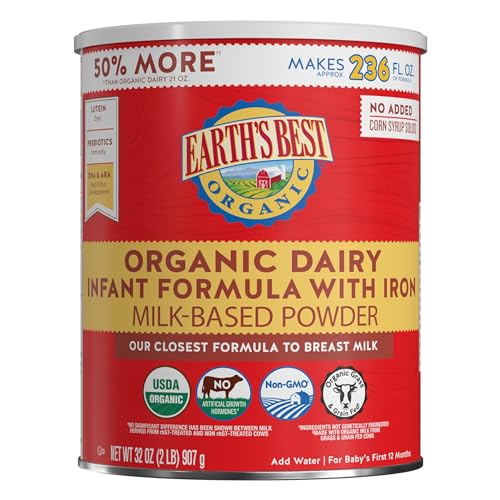
Product: Earth’s Best Organic Baby Formula for Babies 0-12 Months, Powdered Dairy Infant Formula with Iron, 32 oz.
- Brand: Earth’s Best
- Key features: Organic milk from grass and grain-fed cows, lutein, prebiotics, DHA and ARA, no added corn syrup, FDA-compliant for infant nutrition.
Best for: parents prioritizing an organic option with balanced brain and eye development nutrients, and a formula designed to resemble breast milk in digestibility.
Limitations: Organic labeling varies by region; verify that the product meets your local labeling requirements and infant nutrition needs.
Buying Guide
How to choose a grass-fed baby formula
- Infant age suitability: Confirm the formula is appropriate for 0–12 months unless it’s labeled for toddlers (12–36 months).
- Source and certifications: Look for grass-fed claims, non-GMO, and purity certifications like Clean Label or similar programs where available.
- DHA/ARA and prebiotics: Consider formulas that include DHA/ARA and prebiotics to support brain development and digestion.
- Goat vs cow milk: Goat milk options can be easier to digest for some infants; assess tolerance and pediatric guidance.
- Allergen considerations: Check for dairy-derived ingredients and ensure compatibility with any known allergies or intolerances.
- Flavor and texture: Some infants prefer smoother textures; taste is less critical but can impact acceptance.
How to compare formulas quickly
- Compare protein source: cow milk-based vs goat milk-based vs organic/milk alternatives.
- Check added nutrients: iron, DHA, ARA, lutein, and probiotics/prebiotics.
- Trust signals: certifications and region of origin can influence perceived quality and safety.
Practical considerations for buyers
- Availability: Some brands may be region-specific; check local availability and shipping constraints.
- Cost considerations: While not listing prices, note that organic and specialty formulas often have different price points.
- Feeding schedule alignment: Choose a formula that matches your baby’s feeding routine and preferences.
FAQ
- What is grass-fed baby formula? A formula made using milk from grass-fed cows, often marketed for political or nutritional quality advantages and sometimes with additional purity standards.
- Which formula is best for sensitive stomachs? Goat milk-based formulas are commonly considered easier to digest for some infants, but individual tolerance varies.
- Do grass-fed formulas contain more omega fatty acids? Some brands emphasize higher natural levels of long-chain fatty acids due to pasture-based milk, but exact amounts vary by product.
- Is organic always better for babies? Organic labeling can indicate fewer synthetic additives, but it does not automatically guarantee better digestibility or nutrition; assess infant needs and pediatric guidance.
- Can I switch formulas overnight? Sudden changes can upset digestion; consult a pediatrician and consider a gradual transition when changing formulas.
- Are there any safety certifications I should look for? Look for standard infant nutrition approvals, and any brand-specific purity or Clean Label certifications where available.