Whether you’re starting potty training or reinforcing daytime and nighttime readiness, these girls’ training pants offer built-in protection with a familiar underwear feel. This guide highlights five top options designed for different routines—daytime practice, overnight protection, sensitive skin, and value. Each pick targets a specific buyer type, from first-time trainers to parents seeking extra leak protection at night. Use the quick comparison table to decide which product fits your child’s needs, and read the details to understand why each option stands out.
| Product | Scale | Best For |
|---|---|---|
| Pull-Ups Potty Training Pants (3T-4T) | Daytime | First-year learners needing learning-layer feedback |
| Pull-Ups Night-Time Potty Training Pants (5T-6T) | Nighttime | Overnight protection for heavier sleepers |
| Pull-Ups Potty Training Pants (2T-3T) | Daytime | Value packs for multiple daytime practice days |
| Pull-Ups Potty Training Pants (4T-5T) | Daytime/Night | Learning Layer with targeted protection |
| Pull-Ups Night-Time (2T-3T) 68 Count | Nighttime | Budget-friendly night protection |
Pull-Ups Girls’ Potty Training Pants, 3T-4T

Best for first-time trainees who need a gentle transition from diapers. These training pants feature a Learning Layer that helps kids distinguish wet from dry while providing leak protection in areas where accidents commonly happen. The 32-40 lb range fits many toddlers, and the product is designed for daytime training sessions with a soft, underwear-like feel. Use this when your child is new to pulling pants up and down and benefits from visual feedback about moisture.
Pull-Ups Girls’ Night-Time Potty Training Pants, 5T-6T

Best for night-time use when a child tends to stay dry most of the night but occasionally has leaks. These 44-count pants offer absorbing power beyond daytime options and provide up to 100% leak-free protection for overnight reassurance. Choose this if your child typically remains dry at night but still requires dependable backup protection to prevent awakening messes.
Pull-Ups Girls’ Potty Training Pants, 2T-3T

Best for value-focused families who need many training pants for daytime practice. This larger 124-count pack spreads across four individual packs, making it convenient for rotation in busy households. Targeted absorbency zones help girls stay comfortable while providing reliable backup protection on the go. Opt for this when you need cost-effective stock without sacrificing the learning-layer benefits.
Pull-Ups Girls’ Potty Training Pants, 4T-5T
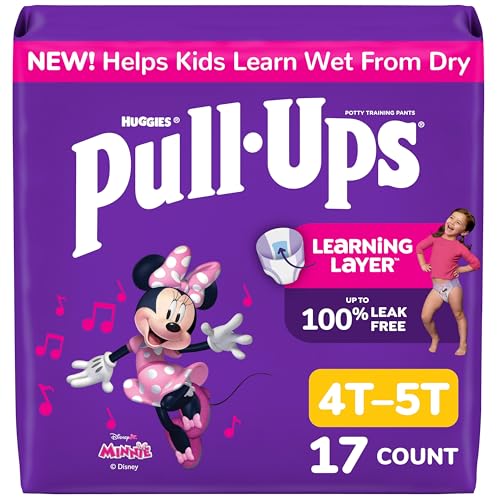
Best for children who are near the end of potty training and need consistent, dependable protection across day and night. The Learning Layer helps with moisture awareness while the backup protection keeps clothing and furniture dry during accidents. Consider this option when your child benefits from reinforced learning signals and improved leak containment in a single product.
Pull-Ups Girl Night-Time Potty Training Pants, 2T-3T

Best for budget-conscious families needing nighttime protection for smaller toddlers. These 68-count night-time pants emphasize absorbency and leak-free backup, catering to families who want a large supply for overnight routines. Use this if you require a low-cost, reliable option for nightly use with young children who still benefit from a protective layer during sleep.
Pull-Ups Skin Essentials Potty Training Pants, 4T-5T
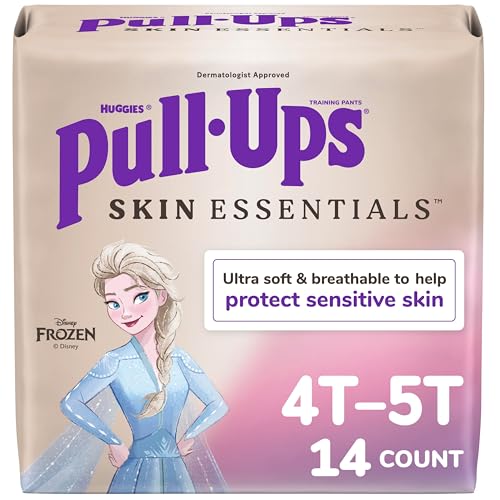
Best for sensitive-skin needs where extra softness and breathable materials matter. Skin Essentials training pants focus on comfort with a fabric blend designed to minimize irritation while delivering up to 100% leak-free protection. This option is ideal for kids who require gentle fabrics and a snug, comfortable fit during potty practice.
Buying Guide: Key Considerations For Choosing Girls’ Potty Training Pants
What type of training pants should I choose—daytime, nighttime, or mixed use? For daytime learning, look for Learning Layer features and targeted protection. For overnight protection, prioritize higher absorbency and a secure fit to reduce leaks during sleep. If your child has sensitive skin, select products labeled for breathability and soft materials. Consider pack size and cost per pant to fit your family’s routine and budget.
How should I assess absorbency and fit? Check how the core distributes urine and whether the sides stretch to allow easy pulling up and down. A snug fit prevents leaks while remaining comfortable for all-day wear. The transition from diapers to potty training pants often benefits from a design that resembles underwear in feel and waistband comfort.
Are learning cues important? Training pants with a Learning Layer help children distinguish wet from dry, encouraging independence. This feature is particularly useful during the initial phases of potty training when kids are still learning to recognize cues and respond to bathroom needs promptly.
What about skin sensitivity? For sensitive skin, prioritize breathable materials, soft inner layers, and fabrics free from fragrances or harsh additives. Some lines emphasize OEKO-TEX certification or plant-based materials, which may appeal to parents seeking eco-friendly and hypoallergenic options.
FAQ
- What are the main differences between daytime and nighttime potty training pants?
– Daytime pants focus on easy access and learning cues with moderate absorbency, while nighttime pants emphasize higher absorbency and leak protection to handle longer sleep periods. - How many training pants should I buy per week?
– A typical family rotates multiple pairs per day; purchasing a mix of smaller and larger packs can balance daily needs and backup options. - Can these pants be reused after a leak?
– Training pants are designed for single-use protection and should be changed after an accident and disposed of properly. - Do training pants help with overnight potty training progression?
– Yes, especially models with higher absorbency, which reduces disruption and helps children sleep with confidence while learning. - Are there options specifically for sensitive skin?
– Yes. Look for collections marketed as skin-friendly, breathable fabrics, and fragrance-free constructions. - What feature should I look for to assist learning?
– A Learning Layer or moisture-indicating cues can help children learn the difference between wet and dry sensations.