Looking for a front baby carrier wrap that supports newborns to toddlers while keeping you hands-free? The best options below emphasize ergonomic design, breathable fabrics, and adjustable sizing for a variety of caregivers. Each choice suits different buyers: new parents seeking simple setup, caregivers needing all-day comfort, and families planning frequent travel or errands.
Summary table of selected products
| Product | Brand | Weight Range | Why it’s a fit |
|---|---|---|---|
| MISSWISDOM Baby Wrap Carrier | MISSWISDOM | 7–35 lb | One-piece design; ergonomic and breathable |
| Infantino Flip 4-in-1 Convertible Carrier | Infantino | 8–32 lb | Multiple carrying positions; adjustable for caregivers |
| Momcozy Baby Wrap Carrier (Black) | Momcozy | 8–35 lb | Adjustable sizing; ergonomic and load-friendly |
| KeaBabies Original Baby Wrap Carrier (Stone Gray) | KeaBabies | Newborn to toddler | IHDI-certified; snug and versatile |
| Jeroray Baby Wrap Carrier (Heather Grey) | Jeroray | 8–35 lb | Ergonomic and lightweight; soft fabric |
MISSWISDOM Baby Wrap Carrier

Best for: Parents who want a straightforward, one-piece wrap that’s easy to set up and travel-friendly. The MISSWISDOM wrap follows ergonomic principles and is hip-healthy certified, helping protect bone development while keeping baby close for bonding. The fabric is described as breathable and skin-friendly, ideal for warm climates or long outings. Its simple wrap design reduces assembly time, making it a solid choice for quick trips and daily errands.
Why selected: It combines a lightweight, adjustable fit with a breathable material, reducing heat buildup for both baby and caregiver. The one-piece construction minimizes fiddly steps, suiting first-time wearers or those who value quick on/off capability.
Caution: Specific weight tolerance is listed (7–35 pounds). Ensure correct positioning to maintain hip-healthy alignment and avoid slumping if you’re still getting used to the wrap.
Infantino Flip 4-in-1 Convertible Carrier
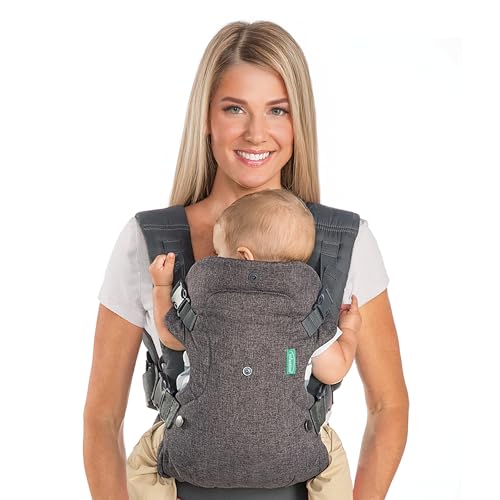
Best for: Families seeking versatile carrying options from newborn to toddler and multiple wearer configurations. This carrier supports facing-in, facing-out, and back carry positions. It distributes weight with padded shoulders and a wide waist belt, helping reduce back and shoulder strain during busy days.
Why selected: The 4-in-1 design adapts to growing babies and changing daily needs, making it a practical all-in-one solution for active parents who want flexibility without swapping carriers.
Caution: It can be bulkier than a simple wrap, which may affect portability and storage in a small diaper bag.
Momcozy Baby Wrap Carrier (Black)

Best for: Parents prioritizing adjustable sizing to accommodate postpartum changes and different caregiver body types. The wrap is designed to fit from XXS to XXL, ensuring the baby remains supported as both child and wearer grow.
Why selected: Ergonomic support distributes weight to reduce upper-back and shoulder strain. The material claims to be soft, stretchy, and supportive, which is helpful for longer wear sessions and growing infants.
Caution: With any wrap, proper wrapping technique is necessary to maintain alignment and safety; read the manual to ensure secure wrapping for newborns and larger toddlers.
KeaBabies Original Baby Wrap Carrier (Stone Gray)

Best for: Parents who want a certified hip-friendly wrap that provides evenly distributed weight for back and shoulder support. It is marketed as easy to wear for beginners and can be used as a nursing cover or postpartum wrap in addition to a carrier.
Why selected: IHDI certification and a soft, breathable fabric promote long-term comfort for both baby and wearer. The self-tie design helps create a snug fit with minimal readjustment after tying.
Caution: Self-tie designs require some practice to achieve a secure fit; beginners may need a short learning period to master wrapping technique.
Jeroray Baby Wrap Carrier (Heather Grey)
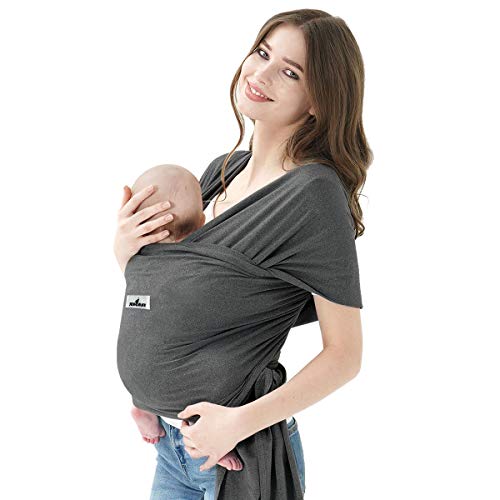
Best for: Parents seeking a lightweight, breathable wrap that still provides a snug, secure hold for newborns to toddlers. The fabric is described as soft and durable for daily use.
Why selected: The carrier emphasizes an ergonomic fit for varied caregiver sizes, helping reduce back and shoulder strain during extended wear. It’s a practical option for quick errands or travel where lightweight gear matters.
Caution: Because weight range extends to 35 pounds, ensure baby remains in a secure position as they grow and become more mobile. Proper positioning remains essential for hip health.
Buying Guide: Key Considerations for Front Baby Wrap Carriers
- Ergonomics and hip health: Look for hip-healthy certification and designs that distribute weight evenly to protect developing hips and spines.
- Fabric and breathability: Choose breathable cotton blends or light stretch fabrics that wick moisture and prevent overheating in warm climates.
- Size and adjustability: Ensure the wrap or carrier accommodates different caregivers and growth from newborn to toddler, with easy adjustments or flexible sizing.
- Ease of use: One-piece wraps are quick to deploy but may require practice; convertible carriers offer versatility but can be bulkier.
- Comfort features: Padded straps, waist belts, and back support reduce fatigue for the wearer during long wear sessions.
- Care and durability: Machine-washable fabrics and colorfast materials extend the life of the wrap through multiple washes.
- Travel suitability: Lightweight designs and compact storage improved for travel or quick outings.
Frequently Asked Questions
- What age range is best for front wrap carriers? Generally from newborn to toddler (approximately 7–35 pounds), but always follow the specific product guidelines.
- Are hip-healthy wraps safer for babies? Yes, hip-healthy designs promote healthy hip development and reduce straining for the caregiver.
- Do wraps require special training? Some wraps require practice to achieve correct wrapping; many brands provide tutorials to help.
- Can multiple caregivers use the same wrap? Yes, most wraps fit a wide range of body sizes, but ensure correct positioning for each wearer.
- Which fabric is best for hot climates? Light, breathable cotton blends that wick moisture tend to be more comfortable in heat.
- Are there any safety cautions? Always ensure proper positioning to support the baby’s head, neck, and hips; avoid slumping and recheck fit regularly during wear.