Answering parents’ need for quick, comfortable bottle feeds, this guide highlights fast flow baby bottles designed to support a baby’s natural feeding rhythm. The top picks are best for busy parents who want smooth transitions from breast to bottle, reduced air intake, and reliable flow control. Each option is suitable for different stages and feeding styles, from breastfed babies to those needing anti-colic features. Use the quick comparison table below to pick the best fit for your baby’s age and feeding pace.
Table: Quick comparison of top fast flow baby bottles (for quick reference in this article context)
| Product | Best For | Key Feature |
|---|---|---|
| Philips Avent Natural (Fast Flow) | Breastfed babies needing a natural pace | Natural Response Nipples for paced flow |
| Lansinoh Anti-Colic | Gas reduction and calm feeding | Air ventilation system to limit air intake |
| Philips Avent Natural (2-Pack) | Families wanting multiple bottles | Wide breast-shaped nipple with paced flow |
| MAM Easy Active Natural Flow | Active babies needing anti-colic protection | Skin-soft nipple; anti-slip bottle |
| Avima Anti-Colic 12 oz | Growing babies needing flexible flow | Duo-Flo valves for adjustable flow |
Philips Avent Natural Bottle With Natural Response Nipples
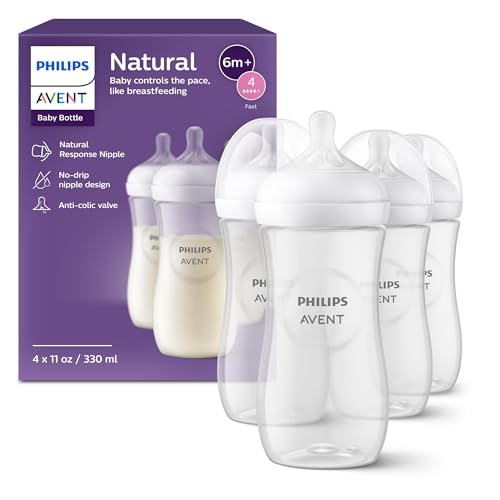
The Philips Avent Natural bottle supports a baby’s natural drinking rhythm. The flow is controlled by the baby’s own sucking, pausing, and breathing, which helps mimic breastfeeding. The wide, breast-shaped nipple promotes an easy latch and a familiar sensation for breastfed infants. Best for parents who want a seamless breast-to-bottle transition and paced milk delivery.
Best for: babies transitioning from breast or seeking a natural, paced flow. Why selected: the Natural Response design reduces flow when the baby isn’t actively drinking, helping prevent overfeeding.
Caution: While designed to minimize milk flow when pausing, some babies may take time to adjust to the nipple shape if they are used to traditional bottles.
Lansinoh Anti-Colic Baby Bottles
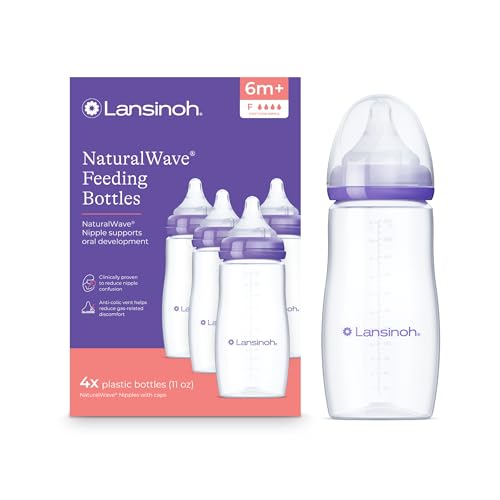
Lansinoh’s anti-colic bottles aim to support baby-led feeding with an air-ventilation system that helps limit air intake during feeding. The wide, soft silicone nipple molds to the baby’s mouth, promoting a secure latch and comfortable feeding. Best for: newborns through early infancy who experience fussiness due to gas. Why selected: clinically oriented anti-colic design targets reduced gas and spit-up, aiding calmer feedings.
Limitation: The airflow system may require occasional cleaning to maintain optimal venting performance.
Philips Avent Natural Bottle (2-Pack) With Fast Flow Nipples

This two-pack version of the Philips Avent Natural bottle continues to emphasize a natural feeding rhythm. The unique opening and tip ensure milk releases only when your baby actively drinks, reducing spillovers during pauses. Best for: families seeking a cost-effective, paced-flow option with the familiar breast-like nipple.
Best for: quiet bottle swaps during day-to-day feeding. Caution: Availability of two-pack sets may vary by seller and region.
MAM Easy Active Natural Flow Anti-Colic Bottle
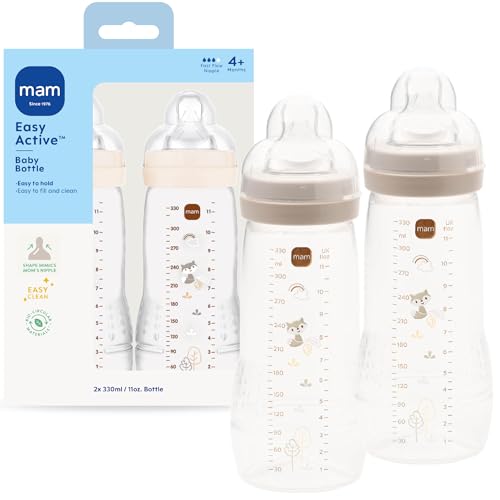
The MAM Easy Active bottle features a skin-soft anti-colic nipple that allows air to flow freely as the baby drinks, reducing bubbles and helping babies feed at their own pace. The bottle’s ergonomic, anti-slip design aids little hands in gripping. Best for: babies who show signs of gas or fussiness with standard bottles. Why selected: strong anti-colic design paired with a comfortable grip and minimal leakage risk.
Caution: The nipple and cap system may require careful cleaning to ensure the anti-leak functionality remains effective.
Avima 12 oz Anti Colic Bottles With Fast Flow Nipples
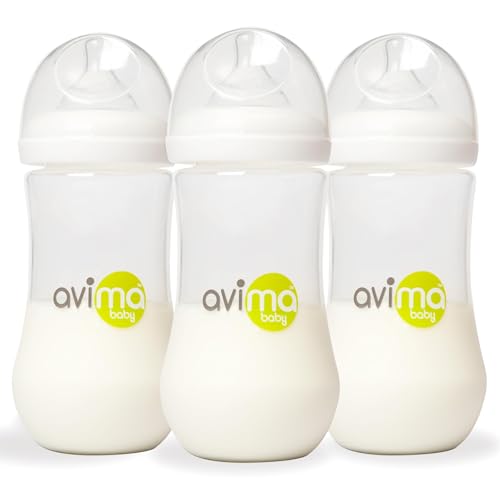
Avima’s set includes 12 oz wide-neck anti-colic bottles with Duo-Flo nipples that adjust flow through two valves. The design promotes comfortable feeding at a pace that suits growing babies. Best for: families needing a flexible system that grows with their baby’s feeding stages. Why selected: multiple nipples and wide-neck design provide easy cleaning and adaptability to changing needs.
Caution: Some users may prefer a dedicated stage-specific nipple to match exact feeding needs as babies mature.
Buying Guide
What matters most in fast flow bottles?
Flow control, nipple design, and venting systems are key. Look for bottles that modulate flow with baby’s sucking, minimize air intake, and support easy latch. Wide-mouth or breast-shaped nipples can ease transitions from breastfeeding.
Which bottle type should I choose by baby age?
Newborns often benefit from slow-to-fast progression options, while older infants may need faster flow or anti-colic features to prevent gas as feeding pace speeds up. If you frequently mix breast and bottle, prioritize natural pacing designs that mimic breastfeeding.
Are anti-colic bottles worth it?
Anti-colic systems aim to reduce air ingestion and gas. They can help fussy infants, but effectiveness varies. Consider baby’s sensitivity to air and how easy the venting system is to clean and maintain.
Practical maintenance tips
Regularly inspect nipples for wear, clean vents thoroughly, and ensure seals are intact to prevent leaks. A wide-neck bottle is often easier to clean and assemble for daily use.
Which features ensure a good daily experience?
- Pacified flow: nipples that release milk only during active drinking
- Wide, comfortable nipples for easier latch
- Anti-leak caps and easy cleaning design
- Clear labeling for flow level and age suitability
Choosing between similar products
Compare flow mechanisms, nipple shape, and venting methods. If one bottle emphasizes a breast-like feel and natural pace, it’s often preferred by parents seeking a seamless transition from breastfeeding. If air management is a priority, an anti-colic system should be a deciding factor.
FAQ
- What is the main benefit of fast flow bottles? They deliver milk at a pace that suits a baby’s sucking, helping maintain a steady feeding rhythm and reducing frustration for both baby and caregiver.
- Are anti-colic bottles better for gas? They can help reduce air intake during feeding, which may lower gas and spit-up for some babies, though results vary by infant.
- How do I know which nipple flow to choose? Start with the baby’s current feeding pace and adjust gradually. If the baby is fussier or pulling away, the flow may be too fast or too slow.
- Can I mix bottle types as my baby grows? Yes. Many families use different flow options as the baby develops and transitions to solid foods, choosing bottles that grow with them.
- Is it necessary to buy multiple bottles? Having at least two bottles can simplify feeding routines and allow for washing rotations, but the exact number depends on usage and cleaning capacity.
- Do fast flow bottles work with breastfed babies? They can, especially when designed to mimic natural feeding. Monitor baby’s comfort and adjust flow as needed.