The easiest sippy cup to transition from a bottle is the one that combines a gentle-spout design, easy-grip handles, and a proven transition track record for little hands. This guide focuses on user-friendly cups that help babies move from bottle feeding to independent sipping, with options suited for infants just starting solids to toddlers moving toward regular cups. Ideal buyers include parents seeking minimal mess, supportive handles for early grip, and durable cups that are easy to clean. The following table highlights five strong choices to consider.
| Product | Best For | Why It Stands Out |
|---|---|---|
| Munchkin Gentle Transition Sippy Cup (Blue) | First transition from bottle | Leak-proof, easy-grip handles, durable and easy to clean |
| NUK Learner Cup (10 Oz) | Gradual transition to a cup | Smooth transition from bottle to cup, removable anti-slip handles |
| Nuby 3 in 1 Sippy Cup | Growing with child | Grow-with-me design, non-drip nipple with teething nubs, removable handles |
| Munchkin Gentle Transition Sippy Cup (Blue/Green, 2-Pack) | Two-cup starter for households | Two cups, removable handles, spill-proof |
| NUK Learner Cup (5 Oz Pink Hearts) | Small-handed babies | Soft spout, removable handles, easy grip |
Munchkin Gentle Transition Baby Sippy Cup – Blue

This 10-ounce sippy cup is designed to help babies shift from a bottle to a cup. It features leak-proof construction and removable anti-slip training handles that are easy for little hands to grip. The materials are BPA-free and durable enough to withstand drops. Best for parents seeking a straightforward transition cup with built-in spill protection.
Who it’s best for: Babies around 9 months and older, and toddlers needing a secure first cup transition. Why selected: simple design, proven transition support, and reliable cleaning.
Limitations: May not be ideal for babies who prefer larger sip volumes or more flexible straw-style designs.
NUK Learner Cup, 10 Oz – Pooh Bear

NUK’s 10-ounce learner cup offers a soft spout and easy-grip handles that are removable as the child grows. It supports a smooth transition from breast or bottle to a cup and emphasizes spill-proof operation. It’s particularly suitable for early cups and for caregivers who want a gentle introduction to sipping without nipple flow.
Who it’s best for: Parents seeking a gradual, comfortable transition with removable handles. Why selected: strong emphasis on gum-friendly spout and grip as growth occurs.
Limitations: Some children may outgrow the 10-ounce capacity quickly and may need a larger option later.
Nuby 3 in 1 Baby Bottle to Training Sippy Cup – 8 Oz

This versatile “Grow with Me” design transitions from a baby cup to a toddler-friendly cup. It features a non-drip nipple with teething nubs, soft on gums, and detachable easy-grip handles for secure control. It’s best for households looking for a single product that covers multiple stages of a child’s development.
Who it’s best for: Families wanting a single cup that adapts as their child grows. Why selected: the growth-oriented design reduces the need for multiple purchases.
Limitations: The non-drip spout is unique and may not be preferred by all babies who like a straw or wide-spout option.
Munchkin Gentle Transition Sippy Cup – 2 Pack
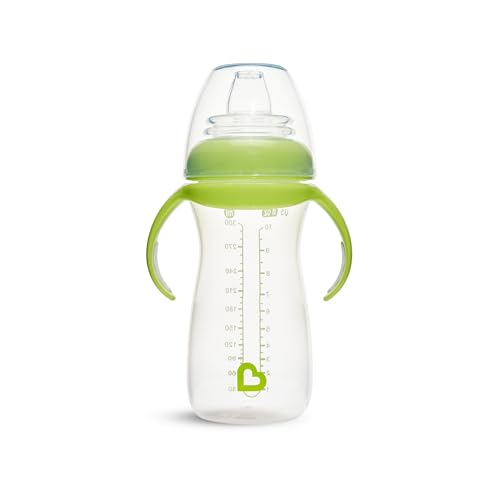
This two-pack set includes spill-proof sippy cups in blue and green, designed to support the transition from bottle to cup. It features removable anti-slip training handles and durable BPA-free construction. It’s ideal for households needing a backup or two separate cups for different caregivers or locations.
Who it’s best for: Families with multiple caregivers or travel needs. Why selected: value and convenience of two cups while maintaining the same transition-friendly design.
Limitations: The two-pack format means double the cleaning, though both cups share the same components for easy washing.
NUK Learner Cup, 5 Oz – Pink Hearts

Smaller-capacity option with a soft spout and easy-grip handles suitable for smaller hands. It supports a gentle progression from bottle feeding to cup sipping and emphasizes spill-proof operation with a chew-friendly spout.
Who it’s best for: Babies with smaller hands or those starting with a 5-ounce cup. Why selected: size and soft-spout design to match early transitioning needs.
Limitations: Limited capacity means more frequent refills for longer drink sessions or bigger toddlers.
NUK Learner Cup, 10 Oz – Minnie Mouse

Designed to support a smooth transition from breast or bottle to a baby’s first cup, this 10-ounce option includes anti-slip handles that are removable as the child grows. The soft spout is gentle on gums while teaching cup drinking, with a familiar Minnie Mouse design to engage young users.
Who it’s best for: Fans of character-themed cups and growing-toddler transition needs. Why selected: engaging design paired with reliable transition features.
Limitations: The character design may not suit all households or preferences for more neutral aesthetics.
Buying Guide: Key Considerations For Choosing The Easiest Transition Cup
- If your child is just starting, choose a cup with a gentle spout and added training handles to encourage grip.
- Look for leak-resistant lids or valves to minimize mess during early sips and on-the-go use.
- Removable handles help as motor skills develop; keep models with adjustable grip as a backup.
- BPA-free materials that are dishwasher-safe simplify regular cleaning and maintenance.
- Consider cups that grow with your child, such as those with removable spouts or adjustable handles.
- Pick 5–10 oz cups for the first months; larger capacities can be introduced as the child grows.
- If multiple caregivers are involved, choose cups with consistent designs and easy-to-clean parts.
Frequently Asked Questions
- What is the easiest sippy cup for bottle transition? Cups with soft spouts, leak-proof designs, and easy-grip handles typically ease the transition most for beginners.
- When should I switch from bottle to sippy cup? Many babies start around 6–9 months, though readiness varies; look for interest in sipping and reduced bottle reliance.
- Are two-cup sets better than single cups? Two-cup sets are convenient for households with multiple caregivers or different locations, offering consistency in use.
- Do all sippy cups fit standard bottle nipples? Not necessarily; some cups are designed to be compatible with specific bottle styles, while others are standalone.
- How do I prevent leaks with a sippy cup? Ensure the lid is securely closed, and check seals or valves regularly for wear or debris that could cause leakage.
- Should I choose a cup with a character design? Character designs can engage children, but choose based on practical features like spout softness and grip comfort.