Finding the easiest breast pump to use depends on lifestyle, comfort, and where you’ll pump most often. This guide highlights five beginner-friendly options and who they’re best for, from compact manual models to wearable, hands-free pumps. Each choice emphasizes simple assembly, straightforward operation, and reliable milk expression. If you’re constantly on the go, or prefer quiet, discreet devices, these picks cater to those needs and help you choose with confidence.
| Product | Best For | Key Benefit |
|---|---|---|
| Medela Harmony Manual Breast Pump | Occasional or on-the-go use | Two-phase expression, portable |
| NCVI Electric Breast Pump 8782 | Home or travel with hospital-grade features | 4 modes, 9 levels, rechargeable |
| Paruu P16 Wearable Breast Pump | Hands-free, busy schedules | Lightweight, 30-minute shutoff |
| Lansinoh Manual Breast Pump | Simple, low-maintenance pumping | Ergonomic handle, easy to clean |
| eufy Security Heated Wearable S1 | Quiet, high-output wearable | HeatFlow technology, app-controlled |
Medela Harmony Manual Breast Pump

Best for busy moms who need a compact, battery-free option. The Harmony uses Medela’s 2-Phase Expression Technology to potentially deliver milk more efficiently. It’s lightweight and easy to assemble, with fewer parts to clean, making it a practical backup pump for travel or short daily sessions. Choose this if you want a dependable manual pump with proven performance and portability. Caution: manual operation requires hand effort and may be slower than electric models for some users.
NCVI Electric Breast Pump 8782

Best for home use or commute with hospital-grade capabilities. This double pump provides four modes and nine levels, with a massage mode to stimulate flow. It also features a long-lasting battery and dishwasher-safe parts, making cleanup easier. Opt for this if you want a reliable electric option with flexibility and travel-friendly power options. Limitation: higher complexity may require a learning curve compared to manual models.
Paruu P16 Hands Free Wearable (Nude)
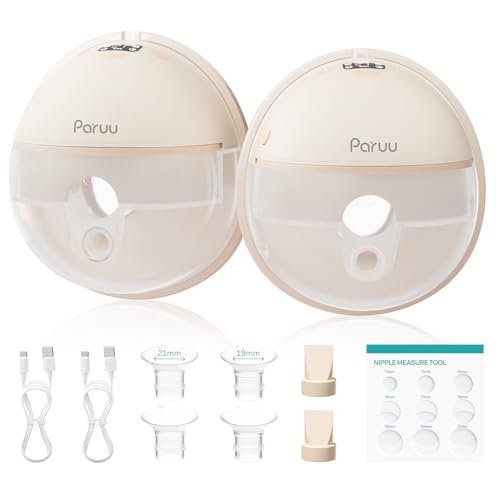
Best for hands-free pumping on the go. The P16 is a lightweight wearable pump with four modes and 12 levels, offering strong suction and multiple flange sizes for comfort. Its 30-minute auto shutoff helps conserve battery and fits into a busy woman’s day. Choose this if you want discreet, all-day wear. Caution: ensure proper seal and valve placement to maintain suction efficiency.
Paruu P16 Hands Free (White)
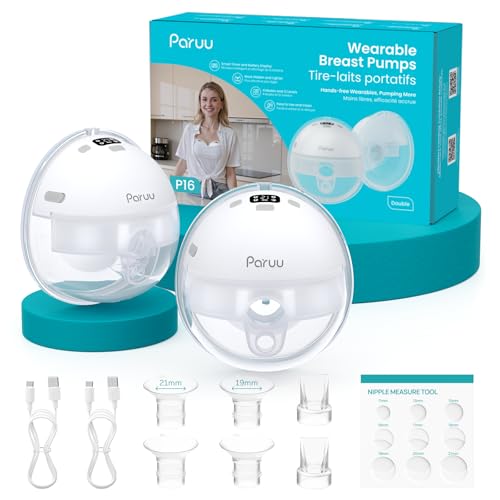
Best for similar hands-free use with a lighter form factor. This white variant mirrors the same features: four modes, 12 levels, and a compact design. It’s ideal for busy moms who value discretion and portability. Limitation: as with wearable pumps, battery life varies with usage and may require charging between sessions.
Lansinoh Manual Breast Pump

Best for straightforward pumping with minimal setup. Lansinoh emphasizes an ergonomic handle and simple parts for quick assembly and easy cleaning. This option suits first-time users or those who want a reliable manual pump without fuss. Caution: manual pumps may require more effort and time per session than electric models.
eufy Security Heated Wearable S1

Best for high-output wearables with smart features. The S1 uses HeatFlow technology to reduce clogging and improve output, complemented by app-controlled modes and a quiet operation. It’s a strong choice for those who want powerful suction with added convenience. Limitation: wearable devices can be more expensive and may require more careful maintenance to prevent leaks.
Buying Guide
What matters most when choosing an easy-to-use pump?
- Power source: Manual versus electric. Choose manual for portability and simplicity; electric for faster pumping and hands-free use.
- Mobility: Wearable pumps offer hands-free pumping but can be more complex and battery-dependent. Consider your daily routine and where you’ll pump.
- Hygiene and cleaning: Look for fewer parts and dishwasher-safe components for easier maintenance.
- Noise level: Quiet pumps are preferable for shared spaces or work environments.
- Comfort and fit: Flange size options and ergonomic handles affect comfort and milk flow.
- Durability and warranty: A robust build and reliable parts can reduce long-term hassles.
How to compare models quickly
- Best for occasional use: Manual pumps like Medela Harmony and Lansinoh.
- Best for travel: Compact, battery-free designs or highly portable wearables.
- Best for heavy use: Electric double pumps with multiple modes and strong suction.
- Best for discreet pumping: Wearables with quiet operation and slim profiles.
Frequently asked questions
- What makes a pump easy to use? Simple assembly, minimal parts, and predictable suction patterns.
- Are wearable pumps worth it for busy days? They are convenient for hands-free pumping but may require frequent charging.
- Should I choose a manual or electric pump for beginners? Start with a manual pump for basic use, then consider electric if you need more speed or double pumping.
- Can I clean all parts in a dishwasher? Some parts are dishwasher-safe; always check the product instructions.
- Is hospital-grade performance necessary? For most daily needs, consumer-grade pumps meet typical pumping demands.
- What is the best way to ensure comfortable pumping? Ensure flange size fits properly and adjust settings gradually to find an efficient rhythm.