If you’re looking for flushable or disposable cloth diaper liners that simplify cleanup while staying gentle on your baby’s skin, these five options are strong contenders. Each product below is selected for practical use, whether you’re cloth diapering full-time or switching between diapering styles. Best for busy caregivers seeking quick disposal, best for sensitive skin, and best for minimizing diaper laundry, these liners offer different materials, sheet counts, and sizes to match your routine.
Product snapshot
- ALVABABY Diaper Liners for Baby Cloth Diaper Flushable Disposable Natural Soft Fragrance Free Chlorine Free 11.8 x 7.1 Inch 1 Roll 400 Sheets
- Wegreeco Unscented Diaper Liners – Fragance Free and Chlorine Free Cloth Diaper Liners – 100 Sheets Per Roll (2 Roll)
- Naturally Nature Disposable Cloth Diaper Liners, Unscented, Fragrance-Free, Chlorine Free – 600 Count
- OsoCozy Flushable Diaper Liners – Soft, Easy to Use, Cloth Diaper Liners
- Esembly Tossers – Disposable Bamboo Diaper Liners – 2-Pack of 100 Liners
ALVABABY 1 Roll, 400 Sheets Diaper Liners

Best for: caregivers who want a simple, single-roll option with plenty of sheets per roll for frequent diaper changes. These liners are 11.8 x 7.1 inches, cut to fit most diapers, and made from bamboo viscose. They’re fragrance-free and chlorine-free, designed to catch solids while letting moisture pass to the diaper.
Why chosen: Large sheet size and roll format minimize refill frequency and fit standard diaper sizes, reducing prep work during busy days. The bamboo-based material is gentle on sensitive skin and free from common allergens.
Limitation: Do not fold liners or use multiple sheets together, as this can slow absorption and cause leakage under heavy solid waste.
ALVABABY 400 Sheets Diaper Liners, Natural

Best for: households preferring a slightly different blend (80% rayon bamboo, 20% polyester) with similar size and chlorine-free composition for daily use. Fragrance-free and designed to be gentle against baby skin while providing effective waste containment.
Why chosen: The slightly different material ratio can influence texture and absorbency, offering a good balance for moderate solids without increasing bulk inside the diaper.
Caution: The polyester content may affect some sensitive skin types; consider cloth diaper compatibility if you notice irritation.
Wegreeco Unscented Diaper Liners, 2 Rolls

Best for: parents seeking a two-roll set with unscented, fragrance-free liners that are easy to tear and dispose. They reduce laundry time by catching solids and allowing moisture to pass through.
Why chosen: The unscented design minimizes potential skin irritation and is easy to fold into place. The two-roll format ensures you have a ready supply for longer periods between trips to the store.
Limitation: Not all homes have plumbing designed for flushable use; consult local guidelines before flushing if you aren’t certain about septic compatibility.
Naturally Nature Disposable Cloth Diaper Liners, 600 Count
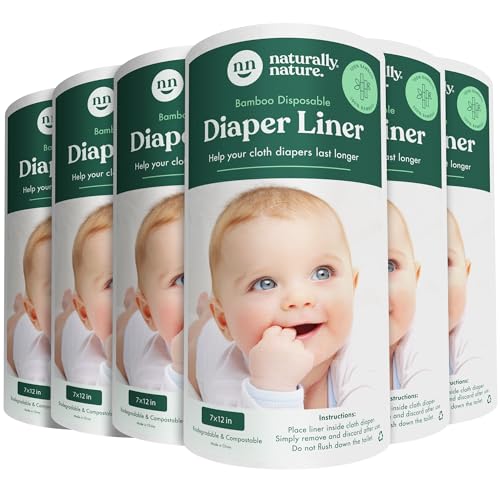
Best for: eco-conscious families seeking a large count of unscented, compostable liners. Suitable for newborns up to diaper size 2, and designed to simplify cleanup without introducing fragrances.
Why chosen: The 600-count package offers a practical balance of coverage and cost per liner, with a focus on softness and skin-friendliness for daily use.
Limitation: Some users may prefer composting rather than trash disposal, so consider local waste practices when choosing disposal methods.
OsoCozy Flushable Diaper Liners

Best for: caregivers who want a quick, mess-free solution that supports a septic-friendly flush routine. These liners retain solids while letting moisture pass, reducing diaper staining and simplifying laundering.
Why chosen: The flushable design offers a practical method for waste removal, particularly when you’re away from a sink or laundry area. They’re described as soft and stay-dry, supporting baby comfort.
Limitation: Septic systems vary; some older systems may require soaking before flushing to prevent clogs.
BlueSnail Rayon Unscent Diaper Liners

Best for: families seeking a 4-pack of 100-count rolls with fragrance-free, chlorine-free rayon liners in a standard 12″ x 7.5″ size. A straightforward option for regular liner use without added scent.
Why chosen: The uniform 100-count-per-roll packaging makes it easy to manage stock and replacements while providing consistent performance across use.
Limitation: As with many disposable liners, consider local guidelines on disposal methods and whether flushing is appropriate for your plumbing system.
Esembly Tossers Disposable Bamboo Diaper Liners

Best for: cloth diaper users seeking a clean, hands-off disposal method that minimizes handling of soiled liners. Each pack includes 2 rolls of 100 liners, designed to be soft, thin, and gentle on skin.
Why chosen: The bamboo viscose material and slim profile ensure minimal bulk while maintaining effective waste containment. The two-roll design supports steady usage with solid-food-ready babies.
Limitation: Not every laundry routine may be compatible with tossing liners into the trash; verify compatibility with your washing method and diaper covers.
Buying Guide: Key Considerations for Choosing Cloth Diaper Liners
What material works best? Liners commonly use rayon or bamboo viscose. Bamboo blends tend to be softer and gentler on sensitive skin, while rayon-only options may be more economical. Consider fragrance-free and chlorine-free designs to minimize skin irritation.
How many sheets or rolls do you need? If you change diapers frequently, a high-count roll or multiple rolls reduces refill frequency. For occasional use, smaller packs may be sufficient and cost-effective.
Flushable vs. non-flushable: If you plan to flush, confirm that your septic system can handle liners and follow local guidelines. Some liners are explicitly designed for flushability, while others are not and should be disposed of in trash.
Size and fit: Most liners measure around 11.8 x 7.1 inches or similar. Ensure the liner fits your diaper size to avoid bunching or leakage. Some liners can be torn or cut for smaller babies, but avoid overlapping sheets that impede absorption.
Skin safety: Look for fragrance-free, dye-free options to reduce irritation. For babies with sensitive skin or a history of diaper rash, prioritize soft, breathable materials and minimal additives.
Environmental impact: Compostable or biodegradable liners offer an eco-friendlier disposal path. If composting isn’t practical, trash disposal with minimal waste is a practical alternative.
Frequently Asked Questions
- Are flushable diaper liners safe for septic systems? Some liners are designed for flushing, but not all septic systems handle them well. Check the product’s flushability claim and consider your local plumbing.
- What size should I choose for my diapers? Most liners are 11.8 x 7.1 inches and fit standard cloth diapers. If you use larger or smaller diapers, verify sheet size against your diaper measurements.
- Can I tear liners for smaller babies? Many liners are designed to be torn or cut in half for smaller infants. Do not fold liners or use multiple sheets, as this can slow absorption.
- Are fragrance-free liners better for sensitive skin? Yes. Fragrance-free and chlorine-free liners typically reduce irritation and rash risk for sensitive babies.
- Which option minimizes laundry the most? Liners that are easy to dispose of and prevent soiling from soaking can reduce diaper laundry. Biodegradable or compostable liners also help with waste reduction.
- Is there a risk of diaper leaks with liners? Liners are designed to catch solids while allowing moisture through. Proper sizing and not layering multiple sheets help maintain absorption and prevent leakage.