Choosing the right bottle for a baby with cleft lips or a cleft palate can ease feeding and reduce frustration for caregivers. This guide highlights five Amazon options commonly chosen for cleft-related feeding needs. Each option is described for who it’s best for, how it helps, and a practical limitation to consider. The top picks emphasize easy-suck nipples, anti-colic features, and squeezable bottle designs that support a baby’s tongue and lip movements. Useful for first-time parents, pediatric caregivers, and relatives helping with specialized feeding, these choices cover gentle flow control, backflow prevention, and venting to minimize gas and spit-up. A quick comparison table follows to help you decide at a glance.
| Product | Nipple Type | Key Benefit | Best For |
|---|---|---|---|
| Pigeon Cleft Palate Bottle (2 Nipples) | 2 nipple sizes, 100% silicone | Squeezable bottle, Y-cut nipple, stable bottom | Infants needing adjustable flow |
| Dr. Brown’s Specialty Feeding Starter Kit | Silicone, Infant-Paced Valve | Anti-colic, consistent nipple flow | Babies with reflux or spit-up |
| Pigeon Nursing Bottle for Cleft Lip/Palate | P-type Nipple | Squeezable with P-type design | Medium-flow feeding and lip support |
| Pigeon Bottle Nipple for Cleft Lip/Palate | Two sizes | Backflow prevention valve | Breather-friendly feeding |
| Dr. Brown’s Medical Specialty Wide-Neck Kit | Wide-Neck Silicone Nipple | Anti-colic vent and paced flow | Preemies or complex feeding needs |
Pigeon Baby Cleft Palate Bottle With Two Nipples

This bottle is designed specifically for babies with cleft lips and palates and is supervised by a pediatric professional. It includes two nipple sizes to adapt to the baby’s changing feeding needs, plus a squeezable bottle body to assist when suction is weak or inconsistent. The nipple is made of 100% silicone and BPA-free, with a Y-cut design that helps the baby squeeze milk using tongue and lip movement. This option is best for caregivers seeking adjustable flow without complicated equipment. A potential limitation is the need for pediatric guidance to optimize nipple size selection for each stage of feeding.
Who it’s best for: Infants with cleft lip/palate needing adjustable flow and a soft, squeezable bottle.
Why chosen: Combines supervised design with practical nipple choices and a stable bottle base for easier feeding sessions.
Dr. Brown’s Specialty Feeding System Starter Kit

This starter kit focuses on challenging oral feeding issues, including cleft lip/palate and tongue/lip ties, with a plan-friendly framework developed alongside medical professionals. It features an anti-colic internal vent system to reduce spit-up, gas, and fussiness. The nipple flow rate is designed to stay consistent when using the Infant-Paced Feeding Valve, which helps regulate intake during each feeding. Best for families coping with reflux, gas, or inconsistent feeding due to oral structure differences. A limitation is that these systems require careful assembly and monitoring to maintain the valve’s effectiveness.
Who it’s best for: Babies facing reflux or variable nipple flow due to cleft-related feeding challenges.
Why chosen: Anti-colic design and pacing valves support steady feeding in sensitive infants.
Pigeon Nursing Bottle For Cleft Lip/Palate

This Pigeon bottle is sized for easier handling and a 240 ml capacity, with a P-type nipple that supports guiding milk flow for babies with cleft palate or lip. The squeezable bottle design helps caregivers provide gentle assistance during feeding, which can be important for maintaining a steady latch with limited lip function. A caution: ensure the nipple size matches the baby’s current feeding ability to prevent over- or under-flow of milk.
Who it’s best for: Babies who benefit from a squeezable bottle and a specialized nipple type.
Why chosen: Simple, adaptable design with a focus on lip/palate support and controlled flow.
Pigeon Bottle Nipple for Cleft Lip/Palate Baby
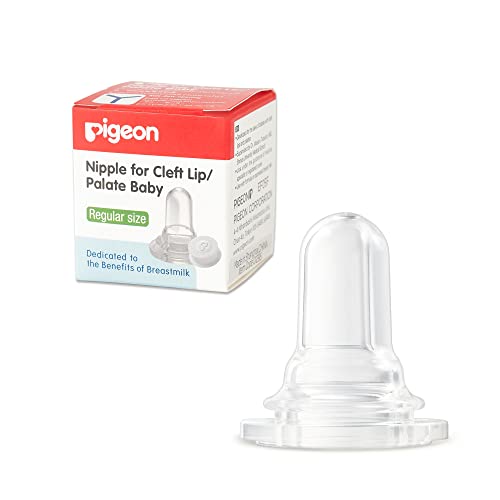
Designed specifically for cleft lip/palate babies, this nipple kit includes two sizes and a backflow prevention valve. The valve minimizes milk returning into the bottle while the baby sucks, helping maintain a comfortable feeding rhythm even for weaker suckers. The two-nipple option allows caregivers to adjust as the baby grows. A limitation is that valve effectiveness depends on proper assembly and nipple sizing for the individual infant.
Who it’s best for: Infants requiring backflow control and gradual nipple sizing.
Why chosen: Backflow prevention supports a smoother feeding experience when lip/talate function is limited.
Dr. Brown’s Medical Specialty Wide-Neck Bottles

These wide-neck bottles are part of a medical specialty system aimed at infants with cleft lips/palates and other feeding challenges. The kit emphasizes an anti-colic vent system and a consistent nipple flow via the Infant-Paced Feeding Valve, which helps regulate intake for babies who have variable suction. Best for premature or medically complex infants who require controlled feeding and reduced gas. A practical caveat is that assembly can be more involved than standard bottles, so caregivers should follow the included setup guidance closely.
Who it’s best for: Preemies or babies with significant feeding challenges.
Why chosen: Combines wide-neck compatibility with anti-colic venting and regulated flow for sensitive feeders.
Buying Guide: Key Considerations For Cleft-Feeding Bottles
- Flow control: Look for nipples with adjustable flow or paced flow systems to accommodate a baby’s changing sucking strength.
- Vent and anti-colic: Bottles with internal vents minimize gas and spit-up, which is important for babies with feeding difficulties.
- Nipple material and design: Silicone nipples that are BPA-free and feature a Y-cut or P-type design can help babies use their lips and tongue more effectively.
- Backflow prevention: Valves that prevent milk from flowing back into the bottle can improve feeding rhythm for weaker suckers.
- Ease of cleaning: Simpler bottle designs reduce cleaning time, which matters for frequent feeding schedules.
- Growth adaptability: Two-nipple sets or adjustable flow options help families adjust as the baby grows.
Frequently Asked Questions
- What features help a baby with cleft palate feed more easily?
– A squeezable bottle, appropriate nipple size, backflow prevention, and vented systems to reduce air intake are particularly helpful. - Should I consult a pediatrician before choosing a bottle?
– Yes. Guidance helps select nipple sizes and flow rates that match the baby’s feeding ability and ear-nose-throat considerations. - Are anti-colic bottles better for babies with cleft lips/palates?
– They can reduce spit-up and gas, which may improve feeding comfort for some infants. - Can I switch nipples as my baby grows?
– Yes. Many sets include two nipple sizes to adapt to increasing or decreasing flow needs. - Is a wide-neck bottle necessary for cleft feeding?
– It can be beneficial for easier handling and cleaning, especially for caregivers with limited dexterity. - Do these bottles require professional fitting or training?
– Some options are best used under pediatric guidance to optimize nipple size and flow for the individual baby.