When shopping for a child’s car seat that accommodates 30 pounds and up, you want options that mix safety, longevity, and ease of use. This guide highlights five 3-in-1 or 2-in-1 seats that support forward-facing, booster transitions, and long-lasting use as your child grows. The best picks are aimed at families needing space-saving designs, easy adjustments, and reliable structure for children around 30–100 pounds. Each product is chosen for its suitability for different family needs and car layouts.
Overview of selected products:
| Product | Best For | Weight Range |
|---|---|---|
| Safety 1st Ellaris 3-in-1 Convertible Car Seat | Slim-fit households needing extended use | Rear-facing 5–40 lbs; forward-facing 30–65 lbs |
| Graco Tranzitions 3-in-1 Harness Booster | Families growing with one seat | 40–100 lbs (varies by mode) |
| Baby Trend Hybrid SI 3-in-1 | Value-conscious buyers with three stages | 5–100 lbs (depending on stage) |
| Safety 1st Grand 2-in-1 Booster | Carpools and three-across fitting | 40–100 lbs |
| Safety 1st Grow and Go All-in-One | All-in-one flexibility, quick adjustments | 5–100 lbs |
Safety 1st Ellaris 3-in-1 Convertible Car Seat

This seat adapts to a growing child with three modes: rear-facing infant, rear-facing toddler, and forward-facing. Its slim design saves space in smaller vehicles, while a 5-position headrest and adjustable harness support comfort as weights increase from 5 to 65 pounds overall. Best for families needing long-use life with a compact footprint.
Best for: households with limited rear-seat space and children who will need a single seat for several years. Caution: check fit for three-across seating on larger vehicles, as slim designs vary in width across models.
Graco Tranzitions 3-in-1 Harness Booster

Designed to grow with a child from forward-facing harness to highback booster to backless booster, this seat supports heavier kids up to 100 pounds. The No-Rethread Simply Safe Adjust Harness System enables synchronized headrest and harness adjustments, simplifying setup. Best for families seeking a long-use seat that transitions with growing kids.
Best for: kids who will stay in a single seat through multiple stages. Caution: weight minimum for some modes now starts at 40 pounds, so very young toddlers may require a different setup.
Baby Trend Hybrid SI 3-in-1

This 3-in-1 booster design supports a child through harness and booster stages, helping them transition to vehicle seat belts. Side-impact protection adds confidence during everyday rides, with dual cup holders and an adjustable headrest to tailor comfort as the child grows. Best for families prioritizing side-impact considerations and ergonomic features.
Best for: households valuing extra side-impact protection and adult-friendly cup holders. Caution: ensure your vehicle has adequate rear-seat width for the booster configuration.
Safety 1st Grand 2-in-1 Booster (Old Soul)
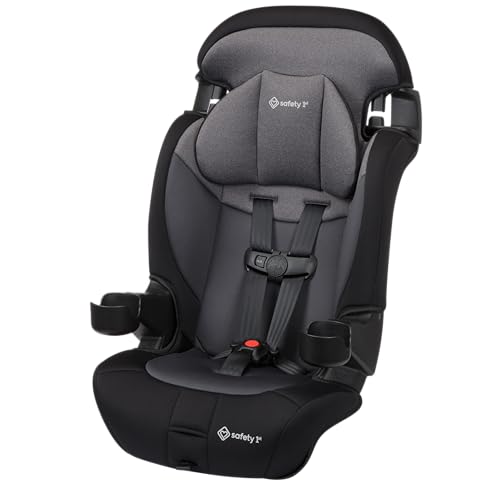
This 2-in-1 booster adapts from a forward-facing harness booster to a belt-positioning booster, and it is lightweight for easy transfer between cars. Its slim profile aims to fit three across in many back seats, making it a practical option for larger families or carpools. Best for: families needing a versatile booster that remains easy to move.
Best for: carpoolers and multi-car families. Caution: weight thresholds vary by mode; confirm your child’s current weight and height match the recommended ranges.
Safety 1st Grand 2-in-1 Booster
The Grand 2-in-1 Booster provides a long-use option from a harness booster to a belt-positioning booster with a high back. It’s designed to fit three across in many back seats and remains lightweight for easy portability. Best for: families who need a budget-friendly, adaptable booster seat. Caution: ensure three-across compatibility in your specific vehicle model.
Buying Guide: Key Purchase Considerations
- Age and weight ranges: Look for seats that support 30–100 pounds and have a clear transition path from harness to booster as your child grows.
- Seat width and vehicle fit: Slim designs save space but confirm three-across compatibility with your vehicle’s width and seat configuration.
- Ease of adjustment: Quick-fit harness systems and multiple headrest positions reduce hassle during daily use.
- Cleaning and maintenance: Washable seat pads or easy-off covers simplify cleaning after spills and messes.
- Installation compatibility: Check vehicle-specific installation notes, including latch requirements and seat belt routing for optimal safety.
How to Choose Between 3-in-1 and 2-in-1 Seats
3-in-1 seats generally offer longer use by combining rear-facing, forward-facing, and booster modes in a single unit, which can reduce the need for a new seat as your child grows. 2-in-1 seats provide extended booster functionality alongside a forward-facing harness, often emphasizing portability and carpool compatibility. Consider your typical vehicle setup, travel frequency, and the number of seats you need to accommodate in the back row when deciding.
Installation and Safety Tips
- Always follow the manufacturer’s weight and height guidelines for each mode.
- Ensure the seat is installed tightly with minimal movement at the belt path.
- Register the product for safety notices to stay informed about recalls or updates.
FAQ
- What weight should I look for in a car seat for a child around 30 pounds?
Most seats in this guide support 30–40 pounds in rear-facing mode and continue to be usable as the child grows into forward-facing and booster stages. - Is a slim-fit seat better for small cars?
Yes, slim designs save space and can help with three-across seating in compact vehicles, though fit varies by model and vehicle. - When should I switch from harness to booster?
Switch when the child meets the weight/height requirements for the booster mode, typically around 40 pounds or more for many seats. - Are 3-in-1 seats safer than 2-in-1 seats?
Safety depends on installation quality and correct use. 3-in-1 seats offer longer use across stages, while 2-in-1 seats emphasize ease of transfer and lighter weight. - Can I use these seats in any vehicle?
Most vehicles support these seats, but always verify fit with your car’s seat dimensions and available space.