When choosing breast-like bottle nipples, the goal is a comfortable latch, natural flow, and reduced colic. This guide highlights five top options that are well-suited for different feeding needs, from anti-colic designs to ultra-soft silicone mimicry. It targets parents seeking smoother bottle-to-breast transitions, reduced air intake, and steady milk flow for growing babies. Each product section explains who benefits most, why it was chosen, and practical considerations to help you decide.
| Product | Brand | Best For | Key Benefit |
|---|---|---|---|
| Thyseed Anti-Colic Glass Baby Bottle Nipples (0m+) 5 oz | thyseed | Breastfed infants needing calmer feeds | Base vent reduces bubbles for less gas |
| Tommee Tippee Natural Start Anti-Colic 9 oz | Tommee Tippee | Babies needing easy transitions between bottle and breast | Breast-like latch with anti-colic valve |
| Suavinex Zero Zero Anti Colic Bottle | Suavinex | Brand-conscious parents wanting natural flow | Adaptive flow mimics nursing |
| Tommee Tippee Natural Start Extra Slow Flow Nipples (Pack of 2) | Tommee Tippee | Newborns or small babies needing slower flow | Soft silicone, natural latch |
| Dr. Brown’s Natural Flow Level 2 Nipple (Medium Flow, 6 Count) | Dr. Brown’s | Growing babies needing a steady, vacuum-free flow | Anti-colic internal vent for consistent flow |
Thyseed Anti-Colic Glass Bottle Nipples

Best for: breastfed infants transitioning to bottles who benefit from calm feeds. The anti-colic base vent separates air from milk, reducing bubbles and swallowed air, which supports gentler feeding and less tummy discomfort. The nipple’s multiple micro-openings provide a steady, paced flow that minimizes gulping. Ultra-soft silicone mimics the feel of skin, supporting natural tongue movement during transitions.
Why selected: This option offers a clinically studied vent system and a natural-feel silicone nipple that helps familiar feeding cues. Caution: glass bottles can be heavier and less convenient for on-the-go use compared with plastic alternatives.
Tommee Tippee Natural Start Anti-Colic 9 oz

Best for: parents seeking a bottle that mirrors breastfeeding with a natural latch. The nipple is designed to reduce air intake and promote familiarity during transitions. The anti-colic valve aims to lessen spit-up and gas, while the soft silicone provides a familiar feel for babies used to breastfeeding.
Why selected: Balanced option for natural latch and anti-colic performance. Limitation: some babies may take longer to adapt to any nipple change, so gradual transition is advised.
Suavinex Zero Zero Anti Colic Bottle
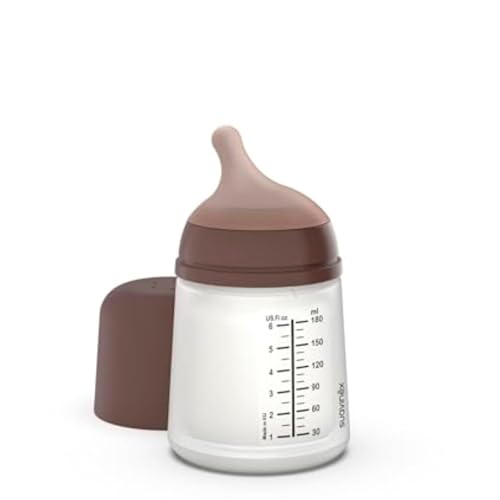
Best for: parents prioritizing a physiologically guided flow that resembles breastfeeding. The adaptive (A) flow allows baby to control milk delivery, with milk flowing primarily when the baby sucks. Made by a leading European brand, this bottle is designed to minimize rejection and nipple confusion.
Why selected: Emphasizes close imitation of natural feeding dynamics. Limitation: design focus is on flow adaptability, which may require a short adjustment period for some babies.
Tommee Tippee Natural Start Anti-Colic 9 oz

Best for: families seeking an easy transition between bottle and breast with a self-sterilizing feature. The Natural Start design includes a silicone nipple that mimics the breast’s flexibility and an anti-colic valve to reduce air ingestion.
Why selected: Combines reliable anti-colic performance with a design that supports familiar latch. Caution: Some users may prefer different flow rates depending on baby’s age and appetite.
Tommee Tippee Natural Start Extra Slow Flow Nipples

Best for: newborns or babies needing the gentlest possible milk delivery. These nipples are shaped for a natural latch and are designed to minimize air intake while still allowing milk flow as the baby grows. Pack of 2 offers convenience for parents stocking up early.
Why selected: The slow flow helps prevent overfeeding and supports gradual adaptation. Limitation: Not ideal for older babies who require faster flows.
Dr. Brown’s Natural Flow Level 2 Nipple

Best for: growing babies who need a steady, vacuum-free feeding experience. The Level 2 nipple provides a consistent flow with an anti-colic internal vent system, helping reduce spit-up and gas while allowing baby to feed at their own pace.
Why selected: Well-known for a long-standing anti-colic vent design that supports comfortable feeding. Caution: The vent system requires proper assembly to maintain its leak-free performance.
Buying Guide
- Flow rate and age suitability: Choose slow or extra-slow flows for newborns and early transitions; medium or faster flows for older babies. Look for nipples that let baby control flow by suck strength.
- Anti-colic features: Base vents and internal vents are common. Consider whether you want a single-vent or a double anti-colic system for added gas reduction.
- Breast-like feel: Silicone nipples that flex similarly to skin can ease latch and reduce nipple confusion. Look for soft, flexible material and a shape that mimics the breast.
- Material and care: Glass bottles are sturdy but heavier; plastic options are lighter for travel. Check if the nipple is BPA-free and easy to clean or sterilize.
- Transition fit: If you already use a brand, verify compatibility with your current bottles or consider a versatile nipple that fits multiple bottle designs.
FAQ
- Q: Are breast-like nipples better for nipple confusion? A: They aim to mimic breastfeeding signals to reduce confusion, but baby responses vary.
- Q: How do I choose the right flow rate? A: Start with the slowest flow for newborns and adjust as your baby grows or shows signs of slowing down or gulping.
- Q: Do anti-colic vents reduce gas for all babies? A: They commonly reduce swallowed air, but effects can vary by baby and feeding pattern.
- Q: Can I mix brands with existing bottles? A: Compatibility depends on bottle neck size and nipple design; verify fit before regular use.
- Q: Is glass safer than plastic? A: Glass offers durability and inert materials but can be heavier; choose based on lifestyle needs and safety preferences.
- Q: When should I replace nipples? A: Replace if silicone shows tearing, discoloration, or thinning, which can affect flow and safety.