Answering the common question for new or returning moms: these nipple shields can help improve latching, reduce discomfort, and support breastfeeding when nipples are flat or inverted. This guide covers options best for different needs, from ultra-thin silicone for soreness to floral designs that stay in place. Ideal for new moms with latching challenges, sore nipples, or inverted nipples, and for those who want skin-to-skin bonding during feeds.
| Product | Best For | Size Range | Notes |
|---|---|---|---|
| Medela Medium 20mm | Standard latching difficulties | 16–20mm | Thin, flexible silicone |
| Momcozy Floral 20mm | Flat or inverted nipples, ease of latch | 17–24mm | Flower-shaped surface |
| Medela Small 16mm | Very narrow nipples or early latching | 16mm | Ultra-thin silicone |
| Lansinoh 20mm Ultra-Thin | Skin-to-skin contact, quick latch | 16–20mm | Case included |
| YIYEE 20mm | Inverted or sore nipples, easy handling | 20mm | Petal base design |
The following sections present five carefully chosen nipple shields. Each product includes practical considerations: who it’s best for, why it was selected, a caveat if any data suggests a limitation, and a direct comparison cue to help you decide quickly.
Medela Contact Nipple Shields, Medium 20mm

Best for moderate latching challenges and mothers seeking skin-to-skin feel. Features a unique cut-out design to help baby smell mom and maintain skin contact during feeding. Made from ultra-thin, flexible, food-grade silicone for comfort, even on sore or cracked skin. Suitable for babies who are transitioning to proper latching but still need support.
Who it’s best for: moms with standard latching difficulties or who want to preserve bonding during feeds. Why chosen: wide appeal for daily use with a balance of comfort and function. Caution: the 20mm size may not fit smaller nipples without some adjustment during initial feeds.
Momcozy Floral Contact Nipple Shield, 20mm

Better for flat or inverted nipples and for mothers who want a larger coverage surface with a secure fit. The floral surface is designed to stay in place and promote smooth milk flow through a 2mm hole. Available in multiple sizes to tailor fit. This option supports a gentle transition to breastfeeding by reducing edge roll-off during feeds.
Best for: moms needing a reliable shield that stays put and helps latching. Choose this if you want a larger shield with a decorative surface. Caution: sizing must be checked; incorrect size can reduce effectiveness or comfort.
Medela Contact Nipple Shields, Small 16mm
Best for narrower nipples or early-stage latching where precision fit matters. The design emphasizes a cut-out for scent contact and skin-to-skin bonding, with ultra-thin silicone for minimal interference with feeding. Useful for short feeds or when sensitivity is high.
Best for: moms with narrow nipples or who require tight control over shield placement. Why selected: complements Medela’s line with a smaller option. Limitation: may require switching to larger sizes as baby’s latch improves.
Lansinoh Ultra-Thin 20mm Nipple Shields
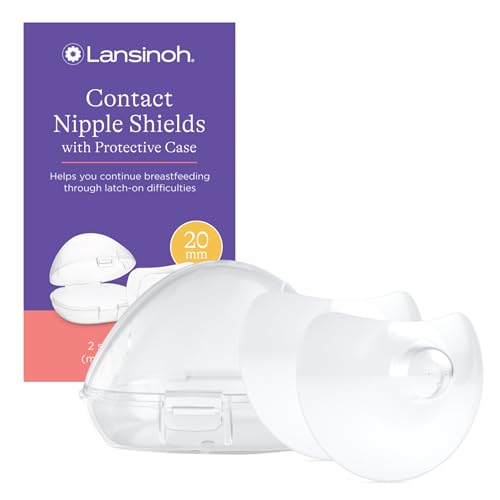
Chosen for their skin-friendly silicone and skin-to-skin design, these shields support latching with a focus on comfort. The ultra-thin construction helps you keep natural feel during feeds while ensuring a secure shield in place. Comes with a case for hygienic travel and storage.
Best for: moms who want a lightweight, discreet shield that enhances bonding during feeds. Better for: ongoing daily use and travel. Caution: shield size should be verified against nipple diameter to prevent gaps during feeding.
Lansinoh 20mm Shield Set (2 Count)
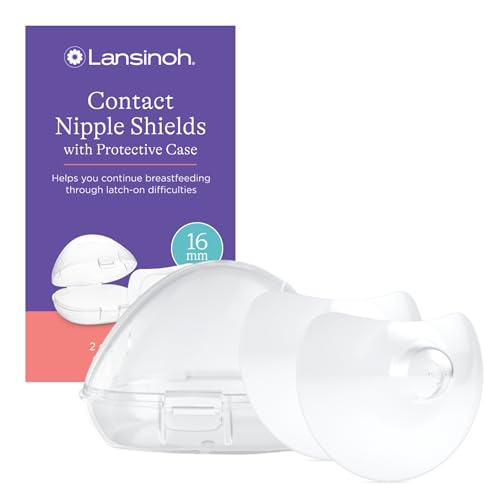
Best for moms needing a spare or practicing multiple shields for different feeding moments. The 20mm shields are ultra-soft, and the cut-out design helps maximize skin-to-skin contact during latching. The two-pack offers flexibility for switching sizes as the baby grows or for different feeding situations.
Best for: households that want redundancy and quick swaps. Choose this if you prefer a backup shield to avoid feeding interruptions. Limitation: ensure both shields fit consistently to avoid misalignment during feeds.
Buying Guide
What should I consider when choosing a nipple shield?
Size: Measure nipple diameter to select the best fit. Incorrect size can hinder milk flow or comfort. If in doubt, start with a mid-range size and adjust as needed.
Material: All options here use food-grade silicone. Look for ultra-thin walls for better latch feel and breathability for sore skin.
Shape and fit
Shields with a cut-out design maximize skin-to-skin contact and allow the baby to smell mom, which can aid latching. Petal or flower-shaped bases can improve placement and reduce edge roll-off.
Bonding and latching considerations
Shields designed to maintain skin contact support effective feeding sessions. If latching improves outside the shield, plan a gradual transition away from the shield with your pediatrician’s guidance.
Durability and care
Choose shields that are easy to clean and come in a protective case if you travel. Replacing shields regularly helps maintain hygiene and performance.
Usage scenarios
With latching difficulties, shields can help you continue breastfeeding while developing a proper latch. For inverted or sore nipples, shields can provide a comfortable barrier to support feeding without additional pain.
Practical comparison at a glance
- Best for standard latching issues: Medela Medium 20mm or Medela Small 16mm
- Best for inverted nipples: YIYEE or Momcozy Floral 20mm
- Best value pair: Lansinoh 20mm Shield Set (2 Count)
FAQ
- Do nipple shields affect milk supply? Answer: They can support feeding and latch, which may help feeding frequency, but they should be used as recommended by a healthcare professional to avoid unintended effects on supply.
- How do I know which size to start with? Answer: If unsure, start with a 20mm option or consult a lactation consultant to measure nipple diameter accurately.
- Can I use nipple shields with all breast pumps? Answer: Shields are used during breastfeeding, not attached to pumps. Only use shields during actual feeds as directed by care providers.
- How should I clean nipple shields? Answer: Wash with mild soap and water after each use; sterilize as recommended by product guidelines.
- When should I switch sizes? Answer: If feeding becomes uncomfortable or milk flow changes, re-measure and adjust to maintain comfort and proper latch.
- Are there risks with nipple shields? Answer: Prolonged use without guidance may affect latch or nipple movement; consult a healthcare professional if you have concerns.